
Why this matters to you, fast
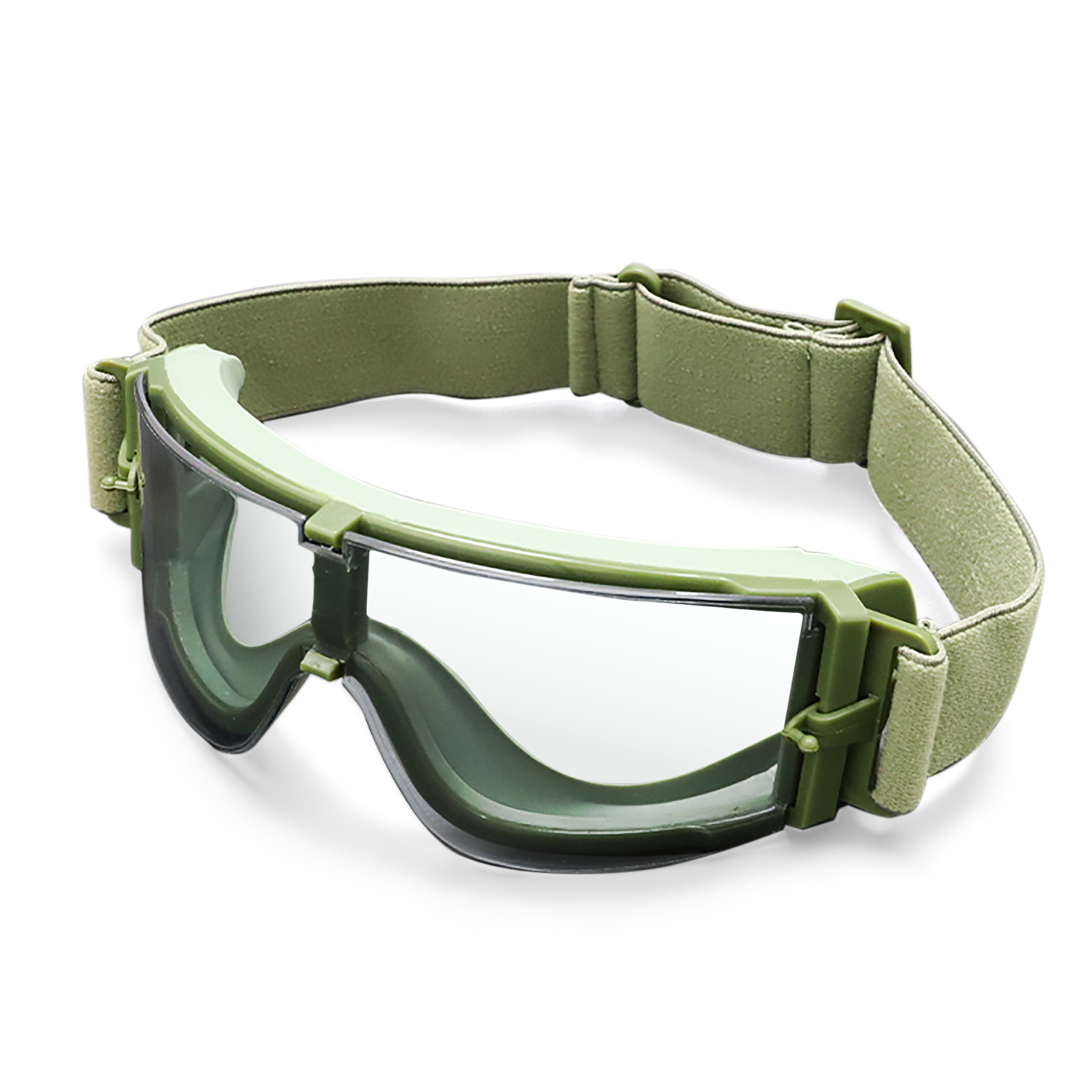
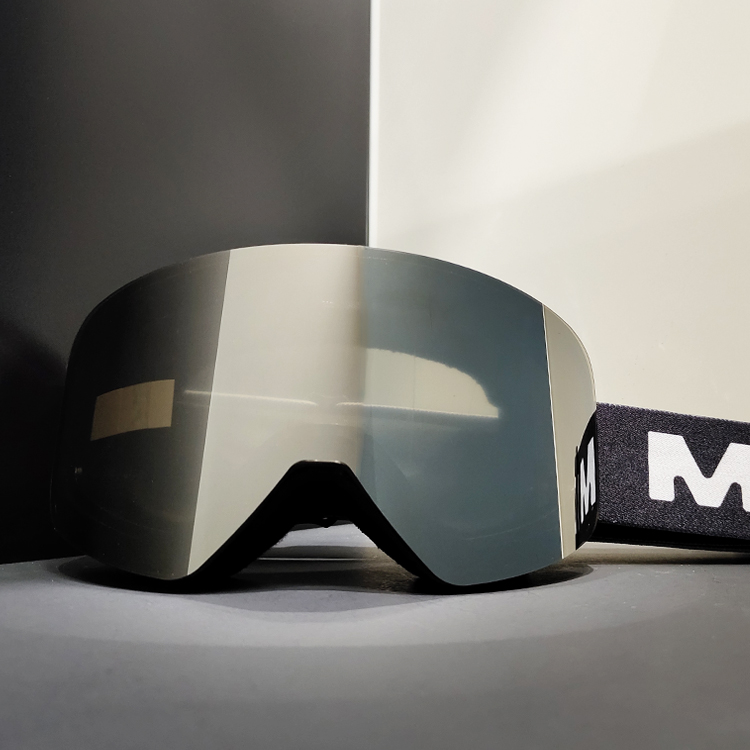
You’re buying eye protection that must do two things: correct vision and stop tiny, fast fragments. Short list: comfort, certification, and real-world optics. If you care about quick swaps and magnetic retention, peek at magnetic ski goggles early — they show how magnetics speed lens changes without fumbling, and the same thinking applies to tactical frames. 😎
What “high-velocity fragmentation-certified” really means
Certification is not marketing fluff. It points to tested impact resistance, specified by lab protocols that simulate shrapnel and debris. Real-world anchor: winter sports and military events both pushed helmet and goggle standards into the spotlight — think gear used around the 2022 Winter Olympics in Beijing when optics had to survive fast transitions and harsh glare. Look for documented test results and recognized standards on the product sheet before you buy.
Fit, optics, and prescription options that actually work
Prescription tactical goggles come in a few flavors: internal prescription inserts, full custom cut lenses, or OTG (over-the-glasses) designs. Prioritize anti-fog coating and UV protection; both keep vision usable in long shifts. Lens interchange system and polarization help for bright, reflective environments — and impact resistance matters when fragments are a risk. Try a quick in-person fit when possible — a small gap or pressure point ruins usability. — Also check the temple and strap interfaces; they affect seal and stability as much as the lens.
Where to source: channels that won’t waste your time
Three sourcing channels work best: authorized manufacturers, specialty tactical outfitters, and reputable ski goggles suppliers who also stock magnetic or modular systems. Online marketplaces have options, but verify the seller’s certification docs and warranty. For bulk or custom prescription runs, talk to suppliers that publish test certificates and offer lens matching for prescriptions — that’s a non-negotiable. Authorized dealers often provide fitting demos and return windows, which saves headaches.
Common mistakes people make (and how to avoid them)
Buying on looks alone is the top error. Ignoring lens geometry is next — cylindrical vs. spherical lenses change distortion and peripheral clarity. Skipping tests with your prescription insert leads to headaches and fog. Also, don’t assume all “impact-rated” claims are equal; ask for the specific test protocol. — A short real test: wear the goggles for a full activity session before committing, and bring your primary helmet along to check compatibility.
Pricing vs. protection: where to spend
Spend on certified lenses and a good sealing frame rather than brand-only features. Anti-fog treatments and lens interchange systems are mid-tier investments with high payoff. Frames and straps can be upgraded later; lens certification cannot. Warranty and supplier transparency matter more than flashy packaging — and suppliers that show lab results are usually the ones who stand behind their gear.
Three golden rules for choosing the right goggles
1) Confirm certification and ask for the test protocol — that proves the goggles handle high‑velocity fragments. 2) Match the prescription method to your workflow: insert vs. custom cut vs. OTG. Fit-test with your helmet and in real movement. 3) Verify anti-fog tech and lens interchange workflow (magnetic systems are fast and reduce handling errors). When suppliers list clear specs and offer demo support, you avoid costly returns — and that’s where brands like YIJIA Optical naturally fit into procurement and personal buys because they publish specs and support lens options. Worth it.