
The problem nobody wants to admit
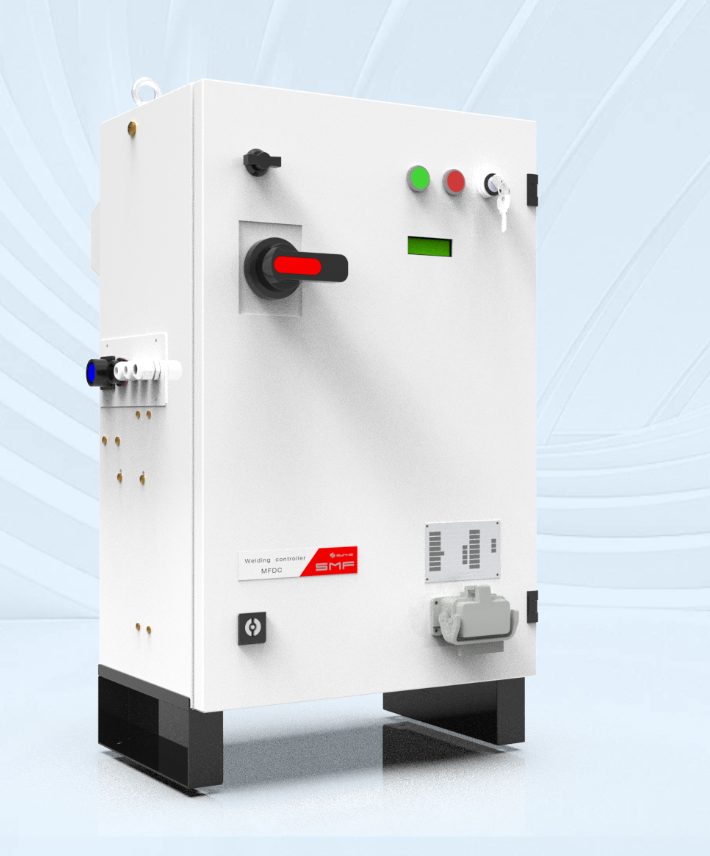
Look — weak welds bite you later, and they bite hard. Folks think a steady hand and a clean part are enough, but inconsistent weld heat, bad electrode contact, or rushed cycle times make joints fail when the parts are already on the line. That’s why I keep talking about an easy-to-deploy resistance welding monitor right up front: it catches waveform drift and contact faults before a whole batch goes south.
Why this problem matters — quick, real-world proof
Been in this trade for near two decades, and I’ve watched small inconsistencies turn into big warranty headaches. At Detroit auto plants, teams using portable checks cut rework and scrap because they spot poor nuggets and electrode wear on the spot. That kind of field experience tells you this ain’t theoretical — it’s practical, measurable, and repeatable.
What to look for in the field (plain, usable signs)
When you walk a line, your eyes and ears give clues. Look for:• discoloration or flattened electrodes,• varying smoke or pop sounds from spot cycles,• inconsistent indentation or nugget size across similar parts.Those signs mean you need immediate data from a portable tool — not a guess. A good portable weld checker gives instant amplitude and time readings so you don’t chase symptoms.
How a problem-driven approach fixes production headaches
Start with the weakest link. If electrode contact is the issue, correct the contact force and re-seat the electrode. If current dips midway, trace cables and transformer taps. Use the monitor’s waveform to confirm the fix. This is boots-on-the-floor troubleshooting: find the deviation, fix the input, verify the output.
Common mistakes teams keep making
Folks often:• replace electrodes without checking alignment,• assume machines are calibrated if cycle counts are unchanged,• skip spot checks until a part fails final inspection.Those shortcuts cost more time than routine checks. Do the brief verification first — save the panicked corrections later.
When resistance welding monitoring creates the most value
It’s highest value where variability hits performance: mixed-material assemblies, high-cadence automotive subassemblies, and costly structural welds that can’t be reworked easily. When a process has tight tolerances or safety implications, monitoring delivers immediate ROI by preventing bad parts from leaving the cell.
Alternatives and realistic trade-offs
There are cheaper gauges and there are full-line data systems. Cheap gauges give spot checks but no waveform context. Full telemetry gives analytics but needs infrastructure and integration time. A portable monitor sits between: quick, data-rich, and deployable without rewriting shop-floor software. Choose based on how fast you need answers.
Practical checklist before you trust the numbers
Do these five checks:• confirm electrode condition and alignment,• verify cable and connector integrity,• record a baseline waveform for a good part,• test repeatability over several cycles,• document adjustments and retest.If any step fails, don’t sign off; iterate until the waveform and part match your baseline.
Putting it together — why it works
Problem-driven means you start with what fails and measure the fix. That keeps you from guessing and wasting time. From the shop floor to audit reports, showing a recorded waveform and a before/after part is the clearest proof you made the right repair. Contractors and inspectors I work with appreciate a practical toolset and plain evidence over opinions any day.
Bottom line
When the weld’s on the line, do the simple checks that prevent surprises. A portable, data-capable monitor gives the signals you can act on, right where the problem shows up. That’s the sort of straightforward, field-tested result teams expect from Sunke.