

Comparative choices matter when you design a resilient off-grid inverter system. Active balancing redistributes charge between cells; passive balancing dumps excess energy as heat. Both aim to keep State of Charge (SoC) aligned and extend usable cycles in a battery pack used for whole house battery backup, yet they take different engineering routes. Real-world events like the 2021 Texas winter outages exposed how design choices affect availability and lifecycle costs—LiFePO4 packs with proper balancing often show 2,000–5,000 cycles, so the balance strategy directly influences replacement schedules and system uptime.

How Active and Passive Balancing Work
Passive balancing uses resistive bleeders to discharge higher-voltage cells until parity is reached. It’s simple, cheap, and easy to implement in a Battery Management System (BMS). Active balancing transfers charge from higher-voltage cells to lower-voltage ones via inductive or capacitive circuits, which preserves energy that would otherwise be lost as heat. Both approaches target cell balancing and Coulombic efficiency, but their thermals, component counts, and control complexity differ sharply.
Performance, Efficiency, and Cell Lifespan
Passive balancing sacrifices stored energy to equalize cells. That lowers usable capacity at high SoC and raises thermal stress during balancing cycles. Active balancing keeps energy in the pack, improving round-trip efficiency and reducing cumulative thermal cycling, which slows capacity fade. Depth of Discharge (DoD) governs degradation as much as balancing method: conservative DoD plus active balancing typically yields the longest service life. For industrial off-grid deployments where runtime and replacement intervals matter, the efficiency gains of active balancing compound over thousands of cycles.
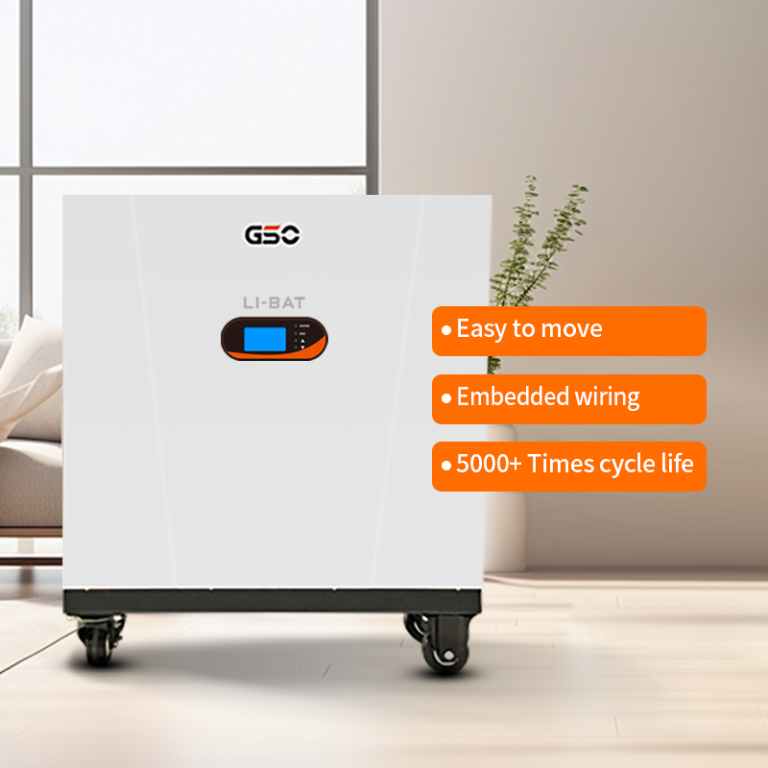
Operational Trade-offs in Industrial Off-Grid Systems
Active balancing adds hardware complexity—switching networks, control firmware, and occasionally higher upfront cost. Passive balancing is simpler, more robust, and cheaper to service in remote sites. You must weigh capital cost against lifecycle savings. Consider a rural microgrid: simpler passive systems reduce points of failure during extended outages, but they may force earlier battery replacement. Conversely, a facility with predictable maintenance windows may prefer active balancing to lower lifecycle cost—this is a design decision driven by site constraints and expected charge/discharge profiles. —Remember to account for thermal management and charge/discharge rates when sizing the inverter and battery pack.
Practical Selection Guide for System Designers
Make decisions based on measurable parameters, not intuition. Key considerations include:
- Cycle demand: How many cycles per year and the average DoD?
- Ambient conditions: High temperatures accelerate degradation and change balancing cadence.
- Maintenance access: Remote sites favor simpler hardware; urban installations can support advanced BMS features.
- Energy economics: Calculate net present cost including expected cell replacements driven by balancing choice.
If you’re specifying a best whole house battery backup for a facility, model both active and passive scenarios across expected ambient and load profiles. Use realistic cycle-life curves for LiFePO4 and include inverter charge/discharge rates in the simulation.
Three Golden Rules for Choosing a Balancing Strategy
Rule 1 — Match the balancing approach to lifecycle economics: always quantify replacement cadence versus upfront hardware cost. Rule 2 — Prioritize SoC window control: narrower SoC operating ranges reduce balancing stress and extend pack life. Rule 3 — Design for real operating conditions: include ambient temperature swings and atypical events like public-safety power shutoffs in your models.
These rules direct you to the right trade-offs—and they point naturally toward suppliers and designs that already integrate robust BMS, thermal controls, and tested LiFePO4 modules. For many installers and system owners, that balance of reliability and lifecycle value is precisely what gsopower delivers—practical engineering, proven components, and documented performance. —Final thought: choose the strategy that reduces unscheduled downtime and total cost over the battery’s useful life.