
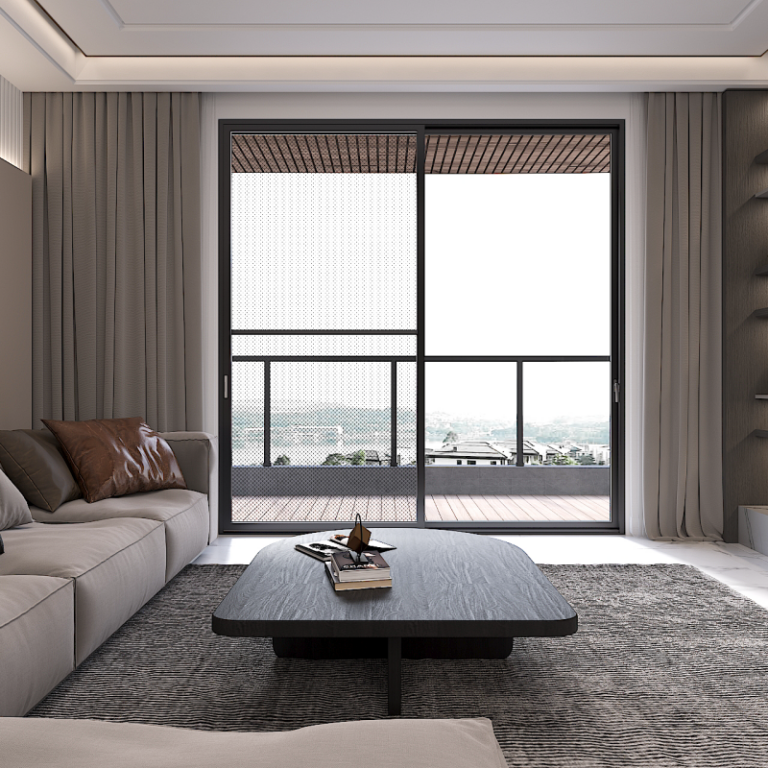
Comparative overview: why sliding windows matter in practice
Comparative insight drives the opening: homeowners choosing the best sliding windows for home should balance airflow, thermal performance, and long-term maintenance. Evidence-based assessments show sliding sash systems with quality weatherstripping often outperform poorly sealed casement windows in narrow openings. Early in the selection process, consult an aluminum door supplier for compatible framing and threshold details; aluminum framing affects sightlines, structural load, and finishes in ways that alter thermal behavior.
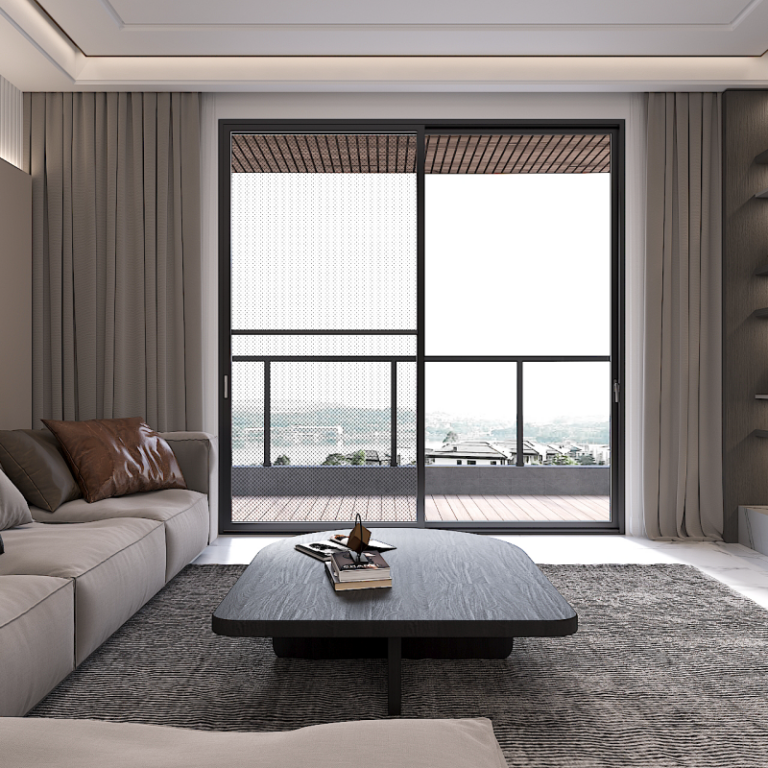
Performance criteria: measurable metrics you should track
Compare U-factor, air infiltration rates, and visible transmittance rather than rely on style alone. U-factor quantifies conductive heat loss and is a direct indicator of how a window will affect heating and cooling. Double glazing with a thermal break in the frame reduces conductive transfer; tempered glass and low-e coatings further cut radiant heat. For sliding windows for home use, prioritize assemblies that list tested air leakage and a clear U-factor rating—those are repeatable, testable metrics homeowners can expect to find on specification sheets.
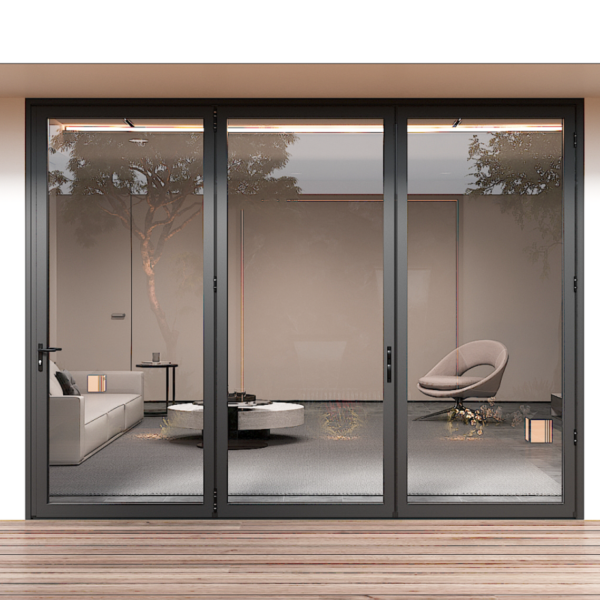
Design and material trade-offs: aluminum versus alternatives
Aluminum excels for slim profiles and longevity, but it needs a proper thermal break to match insulated vinyl or wood frames on raw U-factor. Anodized finish or powder-coat increases corrosion resistance and reduces maintenance; still, be mindful of the sliding track design—poor drainage or shallow weep channels accelerate wear. For projects near coastal zones, choose coatings rated for salt-laden air and confirm the manufacturer’s corrosion testing parameters. Practical detail: if you’re upgrading an older home, sliding sash dimensions and sill heights often dictate whether you can retain existing trim or must retrofit framing.
Installation and common mistakes to avoid
Installation affects real-world performance as much as product specs. Contractors who skip continuous flashing or neglect proper shim alignment create thermal bridges and water intrusion paths—these show up as condensation or rot within a year. Sealant selection matters: use compatible sealants for aluminum to avoid adhesion failures. Also—don’t under-spec the anchorage. Sliding windows carry lateral loads and need anchors that match the wind-load rating on the product. For a reliable supply chain and installation guidance, confirm details with an aluminum door manufacturer familiar with your climate zone.
Comparative tests and a real-world anchor
A practical anchor: field studies in temperate U.S. climates report that windows can account for up to 30% of residential heating and cooling energy, so even small improvements in U-factor or air tightness create measurable seasonal savings. That figure aligns with building science work used by energy-efficiency programs. In side-by-side comparisons, sliding windows with insulated frames and double glazing delivered the clearest return on investment in retrofit scenarios—measured in lower energy bills and reduced condensation risk.
Choices and alternatives: when to pick sliding over other types
Sliding windows win where horizontal sightlines, ventilation, and space-saving are priorities. Alternatives like awning or casement windows may seal slightly better but require swing space and different hardware. If security is paramount, choose multipoint locking systems and reinforced tracks; for noise reduction, prioritize glazing assemblies with a higher STC rating and laminated glass. Be explicit about trade-offs during specification—no single option is universally superior.
Advisory: three golden rules for selecting sliding windows
1) Insist on certified performance numbers—U-factor, air leakage, and water penetration tests—from accredited labs. 2) Match frame material and thermal break to your climate and building envelope strategy; prioritize double glazing for cold or noisy environments. 3) Verify installation details up front: flashing, weep design, and anchorage must be specified in the purchase order to avoid field substitutions that degrade performance.
Those rules lead directly to measurable outcomes: reduced energy use, fewer callbacks, and predictable durability—precise benefits you can budget around. For practical delivery that combines profile expertise with test-proven hardware, consider the value a specialist partner brings: Zekin. —