
Introduction
Have you ever stood by a busy shop and watched progress stall because one machine couldn’t keep pace? In many plants, a double spindle CNC machine sits at the center of that bottleneck — promised speed, but hampered by mismatches and downtime. Recent shop-floor audits show scrap rates and idle time climbing (sometimes by 15–25% on complex runs) — so who pays the price? I want to walk through a real scenario, share the hard numbers, and ask: what parts of our setup are truly holding us back?
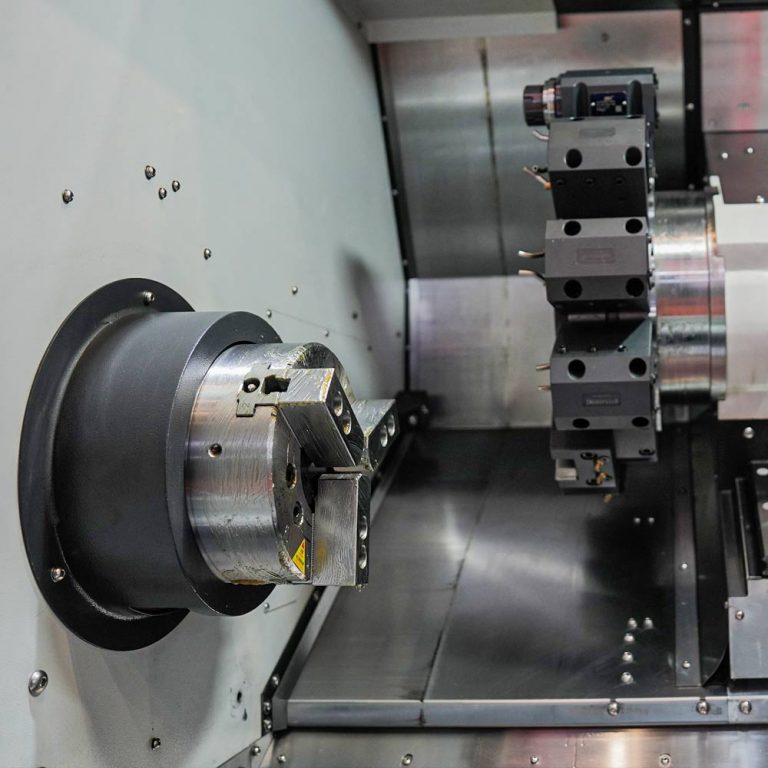
These questions lead us into specifics — from spindle balance to controller lag — and toward solutions that matter. Let’s dig in.
Deep Faults in Traditional Setups
double spindle machine users often assume duplication equals doubled output. I found that assumption breaks fast. In many shops, twin spindles run off a shared controller that wasn’t designed for tight parallel tasks. The result: timing drift, uneven tool wear, and higher scrap. Controllers struggle with concurrent G-code streams; the servo turret and Y-axis servo fight tiny offsets; and thermal growth across two spindles throws off tolerances. These are not exotic problems — they are everyday failure modes.
What breaks down?
First, synchronization. If one spindle lags by even milliseconds, you get mismatched cuts. Second, thermal drift: two spindles heat differently, changing geometry mid-cycle. Third, power and signal stability: older power converters and weak edge computing nodes add jitter that the CNC controller can’t mask. Look, it’s simpler than you think — these are fixable issues, but only if you know where to look.
Why Users Still Hurt: Hidden Pain Points
I’ve talked to operators who quietly dread multi-operation setups. They cite unpredictable tool life, longer setup times, and the feeling that “the machine fights me” during long runs. A lot of that pain hides under surface metrics. For example, mean time to repair can spike because two spindles share a subsystem that fails; and root cause becomes harder to find when faults jump between spindles. That’s why shops lose hours chasing ghosts instead of fixing the core problem.
Technically, the flaws converge at three points: control architecture, thermal management, and human-machine interface. If you don’t address all three, you only patch symptoms. I prefer talking about the full stack — spindle mechanics, CNC controller logic, and the MES handoff — because each layer affects the others. We need more visibility, better diagnostics, and smarter control loops.
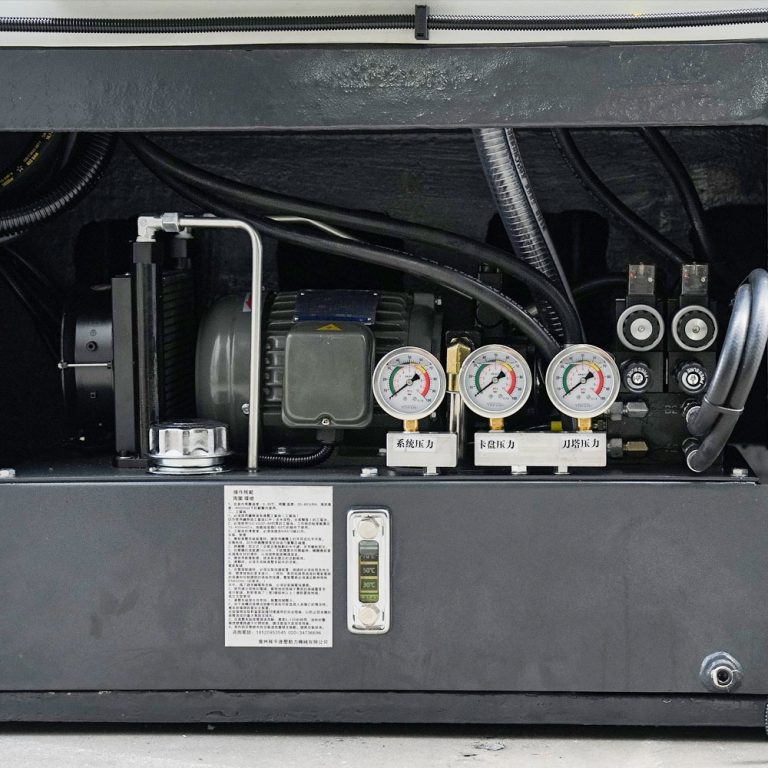
Looking Forward: Case Outlook and Practical Steps
Where do we go from here? I see two paths. One is incremental: improve cooling, upgrade power converters, tune spindle balance. That helps now. The other is strategic: redesign the control layer for true parallelism, add edge computing nodes for local analytics, and adopt adaptive feed control. I believe the strategic route pays back faster in complex work. I’ve watched shops cut cycle time by double digits after adopting local spindle monitoring and closed-loop adaptive control — results you can measure on the first few jobs.
What’s Next?
For cnc milling manufacturers, the push is clear: offer controllers that natively manage multiple spindles and provide richer telemetry. If you’re evaluating upgrades, test for real-time sync, independent torque feedback, and integrated thermal compensation. Also, don’t ignore software: the right CAM-to-CNC handoff reduces surprises and saves setup time.
— and yes, that matters when you run mixed batches. I recommend a staged plan: pilot on a high-mix cell, gather data with edge nodes, then scale. It’s practical. It’s measurable. It’s also human — operators report less stress when the machine behaves predictably.
How to Choose Upgrades: Three Metrics I Trust
I’ll leave you with three evaluation metrics I use when I advise shops:
1) Synchronization Fidelity — measured in microseconds of lag between spindle commands. Lower is better. Check real-time logs; don’t trust vendor claims alone.
2) Diagnostic Depth — how many fault channels and sensor streams can the system capture and store? You want spindle vibration, torque, temperature, and servo feedback all logged and easy to read.
3) Effective Throughput Gain — not theoretical speed, but real cycle-time reduction on your parts mix over 30 days. Run a pilot. Compare before/after. That tells you if the upgrade paid off.
I’ve used these metrics in plants of different sizes. They cut through marketing and focus on what improves the day-to-day. If you want a place to start, look for partners who can prove gains on real jobs — and don’t be shy about asking for references.
For practical tools and a partner perspective, consider checking suppliers with proven dual-spindle solutions; they often show case studies and hard numbers. And if you want a vendor that blends hands-on engineering with real world testing, see Leichman.