
Data-driven opening: where demand and capacity converge
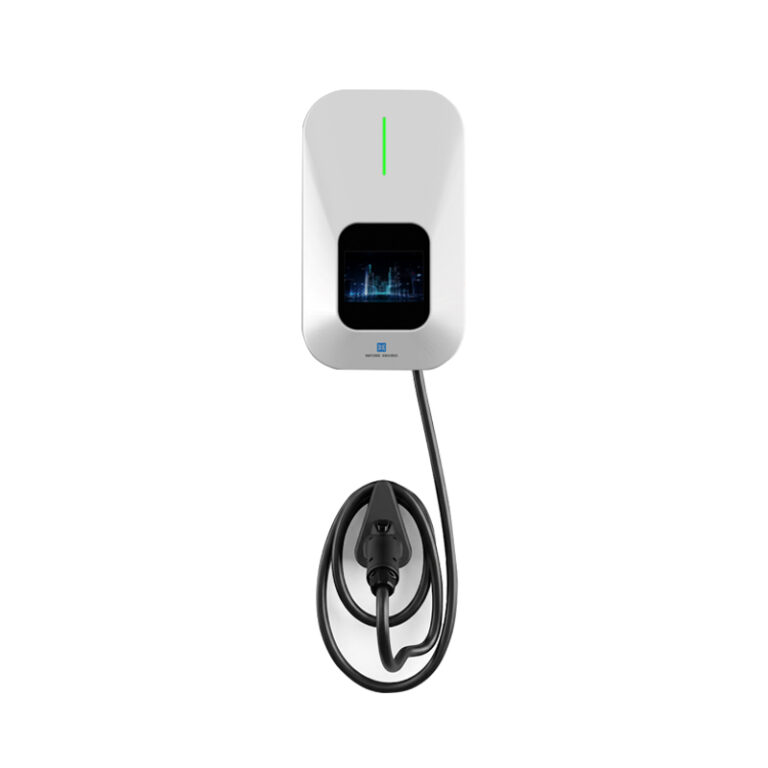
Market signals, when quantified, clarify priorities: global EV adoption crossed significant thresholds in recent years and—according to the International Energy Agency—electric passenger car share exceeded 14% of global sales in 2023. That shift pushes residential infrastructure to scale and to become smarter. For homeowners and fleet operators planning capacity, a dual port EV charger offers a pragmatic path to manage two vehicles with a single footprint, especially where garage or driveway space is constrained. This article translates the leading metrics into practical guidance for 2026 procurement and installation decisions.
Key metrics that will decide winners
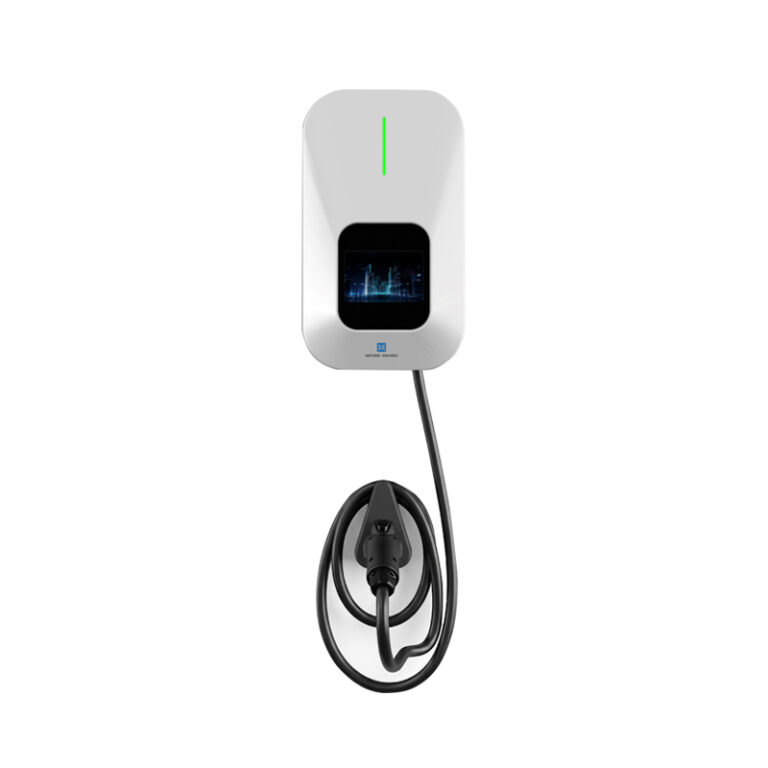
Three categories of data will shape vendor selection and product design through 2026: utilization rate, peak power demands, and interoperability. Utilization rate measures concurrent vehicle charging cycles per home; vendors seeing sustained dual-use patterns will prioritize firmware that supports dynamic load distribution. Peak power demands—expressed in kilowatts (kW)—determine whether a home needs a 7 kW versus a 22 kW capable unit. Interoperability covers standards like Type 2 connectors and smart charging APIs that allow energy management systems to steer AC charging and load balancing. These metrics are quantifiable and should be requested in bid specifications.
Technical vectors shaping dual-port home charging
Hardware advances are incremental; firmware and systems integration are decisive. Expect three technical vectors to dominate: modular power modules allowing per-port throttling, native support for smart charging schedules, and secure communications for tariff-aware charging. Vehicle-to-grid (V2G) remains nascent in many markets but is increasingly referenced in pilot programs. Installers will note conduit sizing and panel capacity as routine constraints—upgrades to service panels, and explicit attention to breaker coordination, often matter more than charger brand alone. Pragmatic planning reduces surprises at the permitting stage.
User impact, common mistakes, and mitigation tactics
Real-world deployments—from suburban California retrofits to apartment conversions in European cities—highlight recurring errors: undersized breakers, omission of diversity factors in load calculations, and neglecting firmware update pathways. Installers sometimes omit coordination with the utility for demand-response incentives; homeowners miss out on lower time-of-use rates. To mitigate risk, specify the expected maximum combined load in kW, require a documented update policy, and verify whether the device can perform load balancing autonomously. Small oversights compound—installers should run a simple load study, and homeowners should confirm local permit requirements before purchase.
Comparative analysis: single-port versus dual-port economics
When comparing lifecycle costs, include upfront hardware, installation labor, and recurring utility charges. Dual-port systems typically yield lower per-vehicle capital cost in two-vehicle households, provided the site supports the required service capacity. If service upgrades are necessary, a dual-port charger that supports intelligent load management can defer expensive panel upgrades by staggering peak kW draw. For multi-dwelling units, a dual port EV charging station with networked management reduces administrative overhead and simplifies billing reconciliation for property managers.
Real-world anchor and policy context
Policy levers amplify these technical choices. California’s 2035 zero-emission vehicle mandate has catalyzed residential and multi-unit charging deployments across the state, raising demand for solutions that comply with utility interconnection rules and local permitting cycles. That policy context—coupled with observed sales-share data cited earlier—confirms that manufacturers and integrators must align product roadmaps to both regulatory timelines and household behavior patterns.
Three golden rules for selecting dual-port home chargers
1) Prioritize adaptive load management: ensure the unit can modulate per-port output in kW to match panel limits and time-of-use pricing. 2) Verify interoperability and firmware governance: require documented API support for smart charging and an explicit update and security policy. 3) Insist on installation transparency: a clear load study, permit strategy, and utility notification plan must be part of the purchase package. These three metrics reduce lifecycle cost and operational friction.
Summing up: measured adoption trends, concrete power metrics, and policy anchors make the case for choosing devices that are technically flexible and administratively transparent; manufacturers that deliver such clarity will earn professional trust. For practical deployments that marry robust hardware with reliable service, dual port EV charging station options are now mature enough to justify inclusion in most 2026 procurement plans.
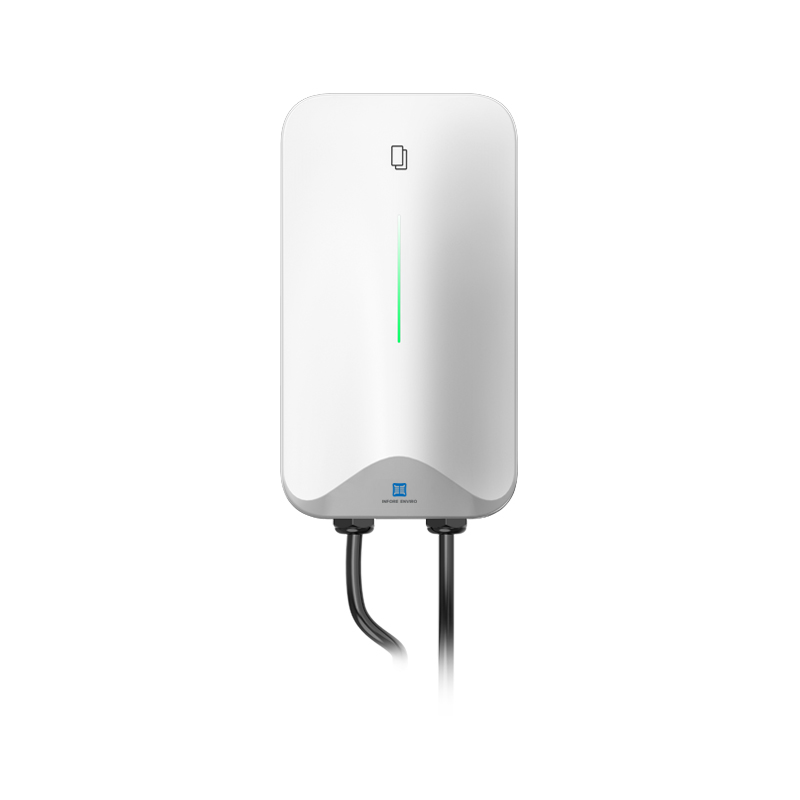
INFORE ENVIRO integrates these lessons into product and installation workflows—an alignment that yields fewer permit delays and predictable home energy performance. –