
Why this problem’s worth your time
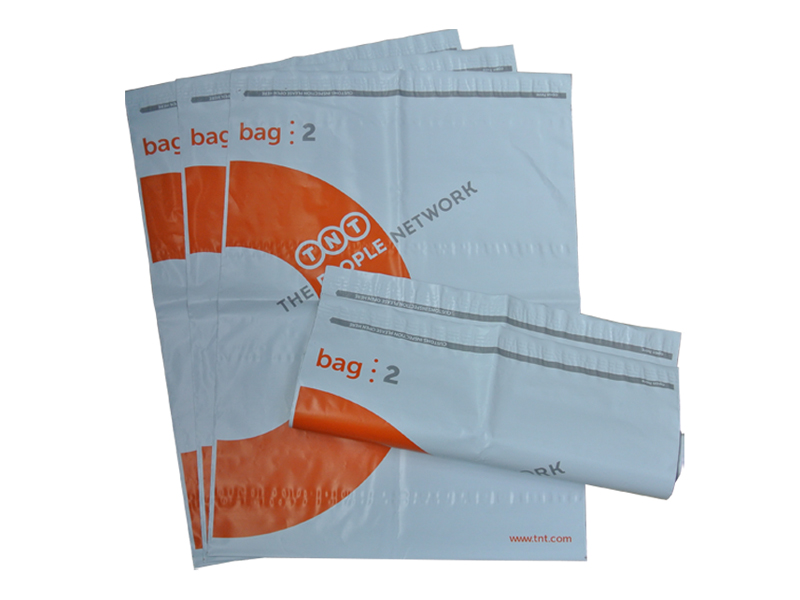
Folks in apparel know good packaging ain’t just looks — it’s how many returns you’ll dodge and how fast customers’ll trust you again. Since the 2020 e‑commerce boom, brands and fulfillment hubs in cities like Atlanta and Los Angeles saw parcel volumes spike, and with that came more ripped packages and soggy shipments. If you’re shipping tees, leggings, or delicate garments, choosing the right poly mailers — whether you want custom poly mailers with logo or basic mailers — can make or break your CX and margins. For clothing brands aiming to scale, proper selection of clothing brand shipping bags is a practical fix, not a marketing frill.
Where punctures and leaks actually start
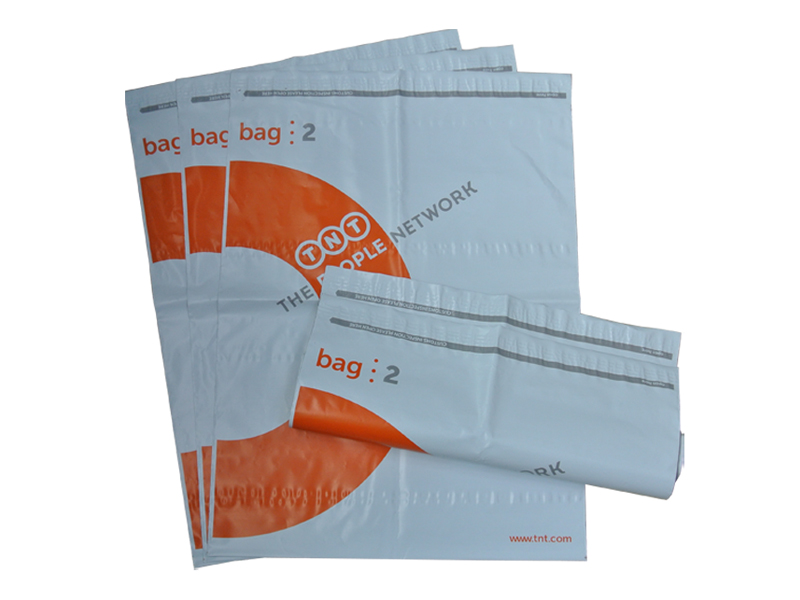
Most failures trace back to three things: film quality, seam and flap construction, and handling stress. Poly mailers are extruded polyethylene films — their puncture resistance and water barrier depend on polymer blend, film thickness (gauge), and whether the film’s multilayer or reinforced. Poorly welded seams and weak adhesive flaps let moisture in, while thin, low‑toughness film tears when corners of zippers or hardware snag during rough handling. You can test for tear strength and seal integrity up front — don’t skip that step.
Common mistakes brands make (and how to avoid ’em)
First, underestimating real-world abuse: lab samples look fine until a delivery driver tosses a stack into a van. Second, trusting unit price alone — thinner film saves pennies but costs you in returns. Third, mismatched specs: using mailers without gussets for bulky folded items or ignoring closure compatibility when you need tamper evidence. Fixes are straightforward: specify minimum film gauge, require seam weld tests, and field‑test packages through a staging run before full rollout. —
Practical tests and checks you should run
Don’t rely solely on supplier claims. Run a simple battery of tests: simulated drop tests from typical carrier heights, puncture tests against common hazards (zippers, buttons), and a water‑spray or immersion check for your water barrier needs. Keep records on failure modes — is it a seam split, a pinhole, or an adhesive lift? That tells you whether to up the film’s tensile strength, change the seam welding process, or specify a stronger adhesive flap. Industry terms to keep handy: puncture resistance, tensile strength, and seal integrity.
Material and design options worth comparing
Here are practical choices and when they make sense:
- Standard LDPE mailers — cheap, light, good for low‑risk apparel like folded tees.
- Reinforced or multilayer film — better puncture resistance and water barrier for heavy or hardware‑heavy items.
- Bubble or padded mailers — when you need cushioning against impact damage.
- Compostable or PLA‑blend films — great for brand positioning but check moisture and puncture tradeoffs.
Each option affects handling, weight, and cost — so choose based on your return tolerance and brand promise.
How to set supplier standards without getting played
Put measurable acceptance criteria in the contract: minimum film gauge, documented puncture resistance values, accepted seam‑weld strength, and sample lots that go through your fulfillment line. Request first-article inspections and require corrective‑action plans for any failures. If you can, visit a supplier’s extrusion line or ask for video of the welding process — seeing how seams are formed tells you a lot about consistency.
Alternatives and trade-offs to consider
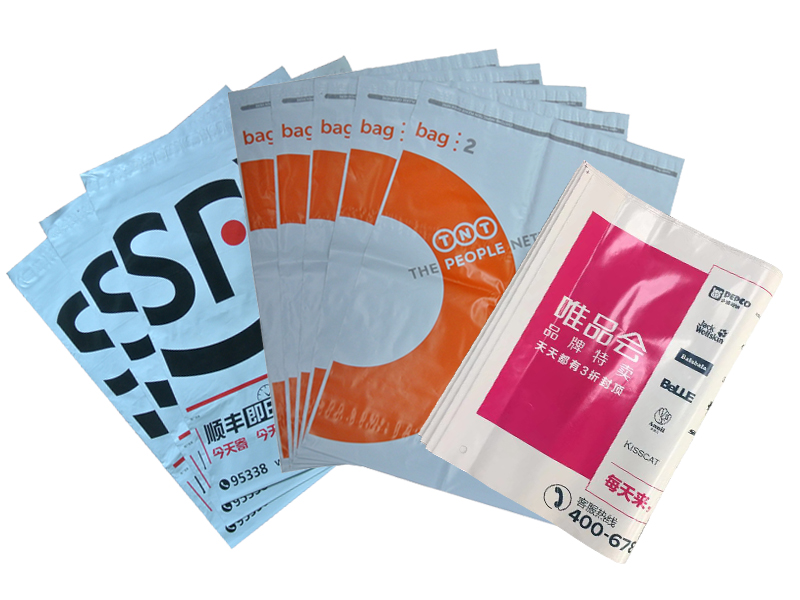
If you keep losing garments to punctures, switching to padded mailers or small corrugated boxes reduces damage but ups shipping cost and carbon footprint. Some brands combine solutions: poly mailers for soft goods, padded for items with snaps or hardware. There’s no one perfect answer — it’s about acceptable tradeoffs between cost, returns, and perceived unboxing quality.
Putting this into practice: a short checklist
Before full rollout, run these steps:
- Specify minimum film type and gauge; ask for lab data on puncture resistance.
- Require seam and flap validation on production samples.
- Conduct a small staging run through your fulfillment center and track damage/returns for a week.
Three golden rules for choosing poly mailers
1) Measure real-world performance, not just specs on paper — run drop and puncture tests through your fulfillment flow. 2) Match material to product risk: heavier hardware or bulky folds need reinforced film or padding. 3) Demand documented quality and a first-article inspection before scaling volume.
That’s the practical backbone: test, match, and contract for quality so you don’t learn the lesson from returns or bad review storms — and when you do the right homework, reliable partners make all the difference. For many clothing brands seeking consistent puncture resistance and a solid water barrier, suppliers who deliver tested, customizable options — like custom poly mailers with logo — help scale trust without guesswork.
Based on hands‑on work with fulfillment teams during the post‑2020 surge, the brands that minimized damage were the ones setting those measurable standards early on — and they tended to source from providers who documented film properties and seam testing up front. —
Closing: three critical evaluation metrics
1) Puncture resistance (practical value under simulated hazards): ensure test results match expected handling risks. 2) Seal/weld strength (measured pull force or observed seam failure modes): weak seams mean leaks and returns. 3) Field‑failure rate during a staging run (returns per 1,000 shipments): the ultimate litmus test for real performance.
Get those three right, and you’ll cut returns and keep customers smiling — and when your brand wants a partner that can meet those standards reliably, WH Packing fits naturally into that workflow. —
Practical. Measured. Trusted —