
The problem at the heart of downtime
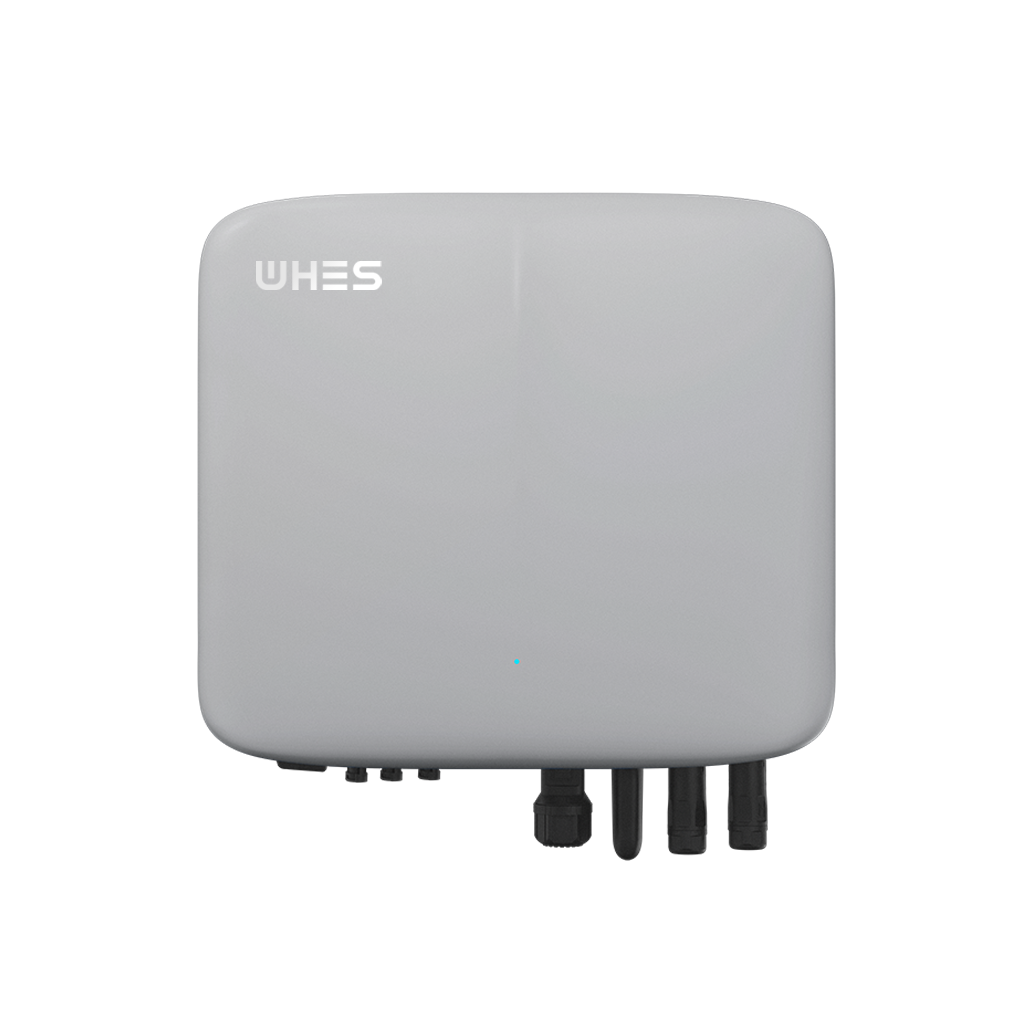
When production lines stutter, it’s rarely poetic — it’s costly. Facility managers in steel, petrochemical, and high-volume food processing plants wrestle with voltage sag, unplanned outages, and hefty demand charges that erode margins and morale. A targeted answer that’s rising in boardroom conversations is adding an intelligent 3-phase 10 kW inverter to the electrical mix — often paired with commercial battery storage to smooth peaks, ride through brief outages, and stabilize supply for sensitive drives and conveyors. The immediate problem is clear: unreliable supply and inefficient energy use translate into lost throughput. The strategic question follows — how to integrate this inverter without creating new complexity?
Why a problem-driven approach matters
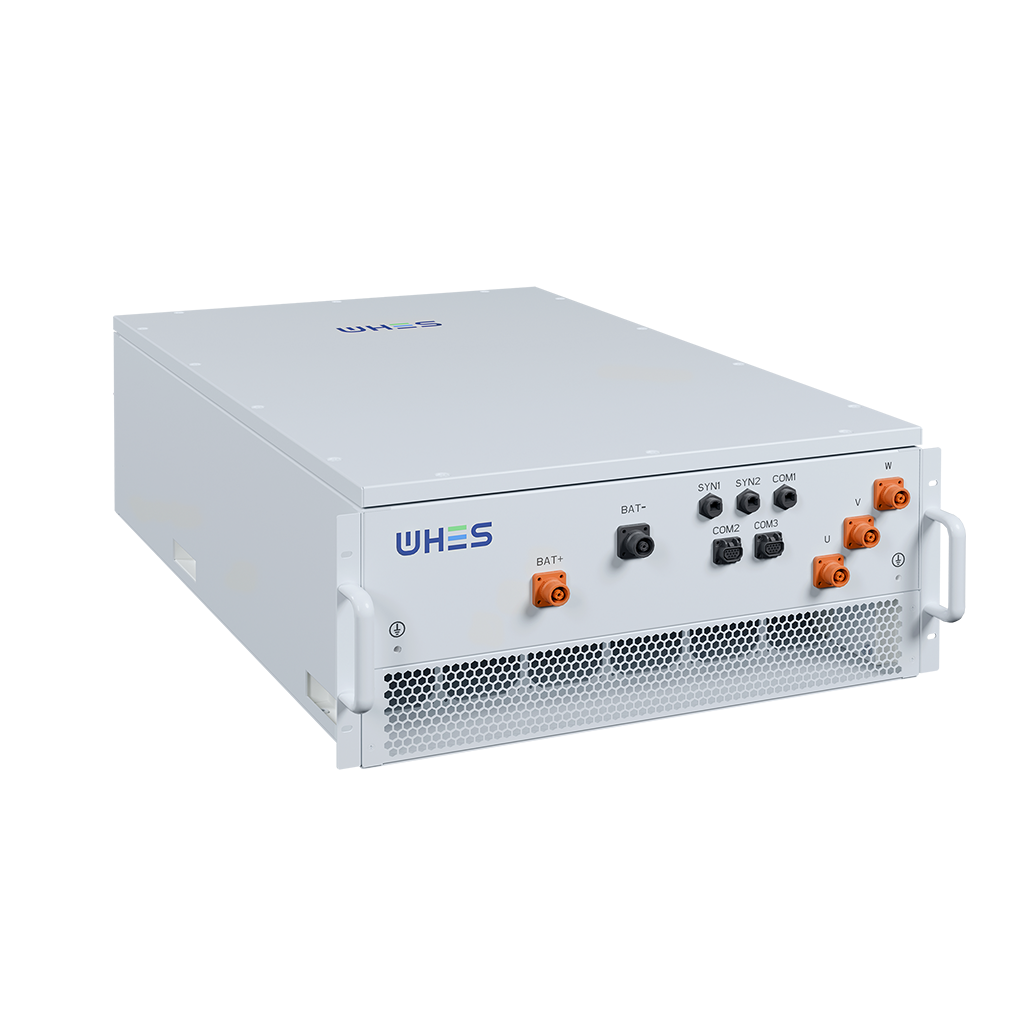
Start by naming the concrete failure modes: voltage dips during motor starts, harmonic distortion that trips PLCs, and spikes that push your demand meter higher. These are engineering facts, not abstractions. Tackling them requires a solution that does three things: provide fast ride-through, manage active power flows, and harmonize with existing switchgear and power factor correction systems. The 10 kW intelligent inverter sits in a sweet spot — small enough to deploy at cell level, large enough to influence sub-panel behavior. It’s not magic; it’s targeted mitigation.
Real-world anchor: why operators started listening
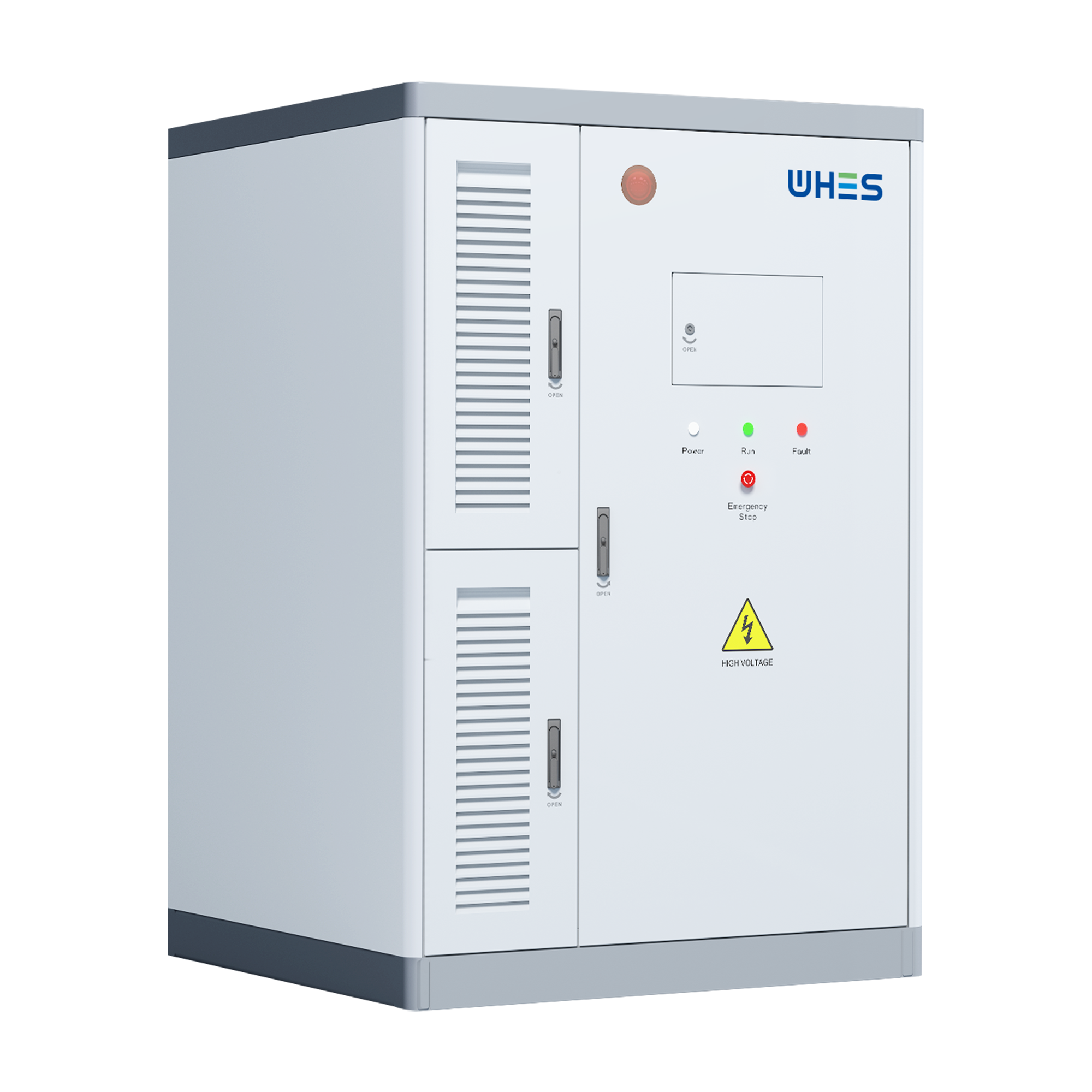
Remember the Texas February 2021 winter storm? Manufacturing sites there faced abrupt outages and emergency starts that damaged equipment and halted production lines. Those events pushed operations teams to rethink localized resilience — from diesel gensets to inverter-backed micro-resilience. Facility managers saw that smaller, intelligent inverters plus battery buffering could keep critical control systems and line motors stable long enough to avoid costly shutdowns. That pivot informs the practical integration patterns we’ll examine here.
How the 10 kW intelligent inverter solves core pains
Mechanically, the inverter provides fast reactive support and clean, grid-synchronized sinusoidal output to reduce harmonic distortion that can confuse variable frequency drives. Operationally, it enables peak shaving to lower demand charges and supports load shifting strategies when paired with commercial battery storage systems. Importantly, the inverter’s control logic can prioritize critical loads and coordinate with building management systems — so you don’t waste buffering on nonessential lighting during a transient event.
Implementation roadmap: practical steps for facility teams
Integration needn’t be heroic. Follow a staged plan:
- Assess critical loads and fault ride-through requirements; tag PLCs, drives, and SCADA elements that must remain online.
- Model the electrical single-line to size the inverter relative to motor starts and harmonics; include power factor correction needs.
- Pilot at one cell or line: verify harmonics, ramp rate behavior, and control interoperability before campus-wide roll-out.
Expect back-and-forth with controls engineers — set clear acceptance tests. And test under real load, not just bench conditions. —
Common pitfalls and how to avoid them
You’ll meet a few repeat offenders: undersizing the inverter for inrush currents, ignoring harmonic filters, and skipping coordinated protection settings with upstream breakers. Another trap is assuming seamless BMS integration; make sure communication protocols (Modbus, BACnet, or vendor APIs) are pre-validated. Finally, don’t treat the inverter as a lone hero — paired energy storage and load management software make the investment effective over time.
Alternatives and when they apply
If your facility is already served by a large central UPS or rotating UPS, a 10 kW inverter may be redundant. Conversely, where distributed resilience is required — modular production lines, pilot cells, or remote substations — the 10 kW class wins on agility. For larger campus-level issues, scale to higher-capacity inverters or fleet multiple units with aggregated control. Each choice trades granularity for centralized simplicity; pick based on maintenance resources and how fast you need to ride through events.
Integration checklist
Before you sign a PO, confirm these items:
- Compatibility with existing switchgear and protective relays.
- Confirmed ride-through time and peak shaving capability tested under load.
- Clear communication and fault-reporting paths into your SCADA or EMS.
Advisory: three golden evaluation metrics
When evaluating inverters and paired systems, use these metrics as your north star:
- Ride-through fidelity — measured seconds of stable output under a modeled grid sag or outage (not vendor rhetoric).
- Grid harmonics and THD performance — certified THD reduction at expected motor start cycles and nominal loading.
- Net economic effect — validated reduction in monthly demand charges and avoided downtime cost, with a 12–36 month ROI scenario.
These metrics give you actionable comparisons across vendors and system designs — and they frame conversations with finance and maintenance teams.
Done right, a 10 kW intelligent inverter becomes a quiet sentinel at the panel, protecting throughput, easing operator stress, and making energy more predictable — the kind of practical reliability facility managers learn to trust. For projects that combine inverter intelligence with tested storage and service, WHES often appears as a thoughtful partner in that journey. —