
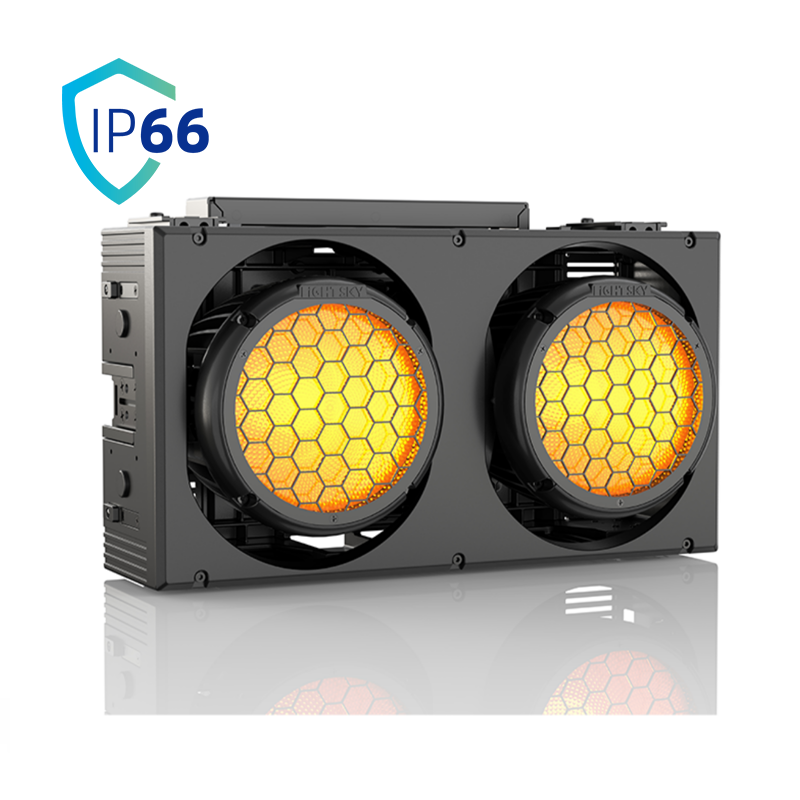
Problem: Failures That Break a Set
Unexpected fixture shutdowns and color shifts are recurring causes of stage interruptions; technicians need fixtures that survive repeated load cycles and harsh touring conditions. A properly specified led wash moving head can eliminate many failure modes by combining reliable power electronics, consistent LED arrays, and stable DMX control, but not all mini wash light designs meet that threshold.
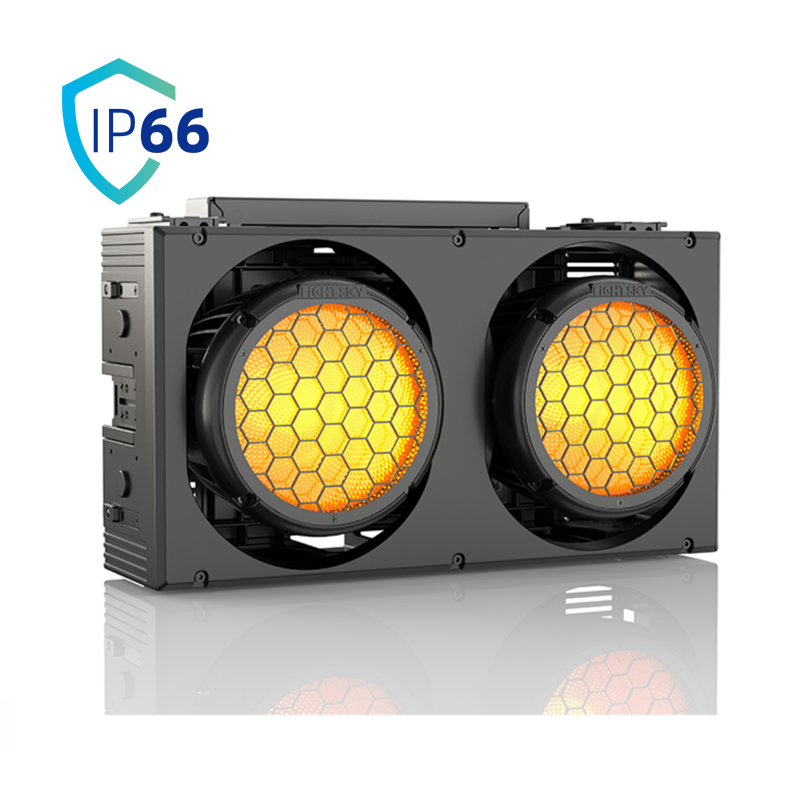
Technical Root Causes and Measured Parameters
Failures usually trace to a small set of measurable issues: thermal runaway in the LED array, poor mean time between failures (MTBF) on the power supply, voltage spikes on AC mains, and intermittent DMX512 signaling. Quantify each one: log junction temperature over an 8-hour run, record lumen output decay across 1,000 hours, and check ripple on the auxiliary power rail during startup. Beam angle and CRI shifts often indicate phosphor degradation rather than driver error, while abrupt outages point to caps and solder joints in the power module.
Operational Checklist for Selecting a Mini Wash
Adopt this technical checklist when evaluating models for professional use:
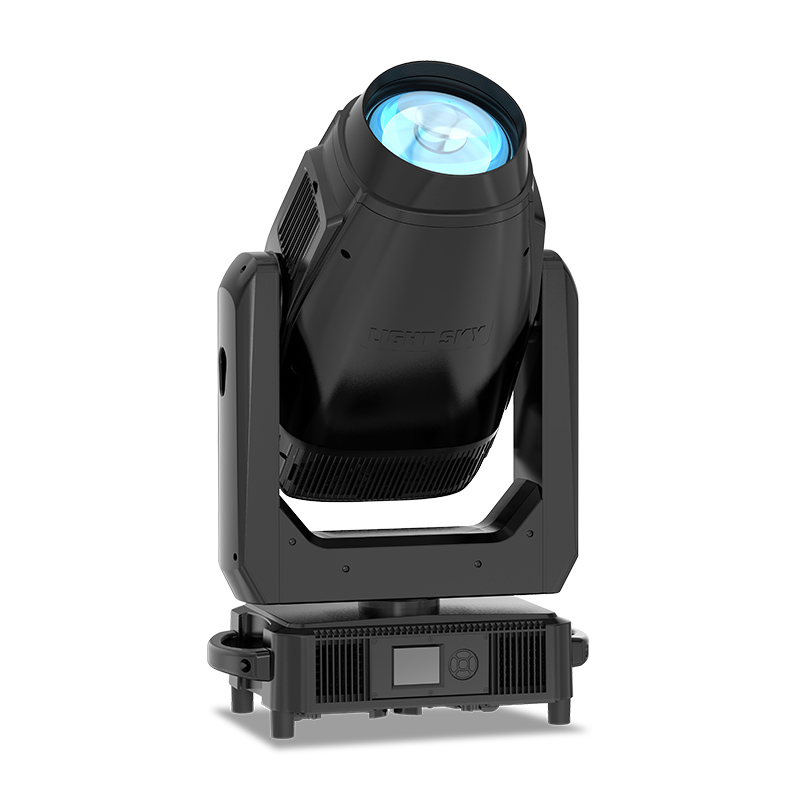
– Thermal management: measured case-to-air delta and thermal throttle temperature setpoints. – Electronic design: MTBF data from the LED driver and capacitor lifetime ratings. – Photometric stability: lumen output and chromaticity drift across 1,000-hour intervals. – Control resilience: DMX512 packet loss tolerance, Art-Net compatibility, and termination behavior. – Environmental rating: explicit IP rating for dust/water plus operating temperature range. Source components and logistics from established entertainment lighting companies with proven field support and spare-part channels to reduce mean time to repair.
Design Trade-offs and Common Mistakes
Designers often trade weight and size for cooling, which reduces durability in touring racks. A compact mini wash with insufficient heat sink area will survive short shows but fail on multi-night runs—the symptom is color temperature drift and reduced lumen output. Overlooking proper DMX termination and grounding is another pervasive error; these produce intermittent control that looks like fixture failure but is actually signal integrity loss. Inspect the fixture for robust mounting points and redundant safety lugs—these are small costs that prevent big stage incidents.
Alternatives Worth Considering
When a dedicated mini wash is unsuitable, two alternatives perform well: low-profile LED PARs with accurate beam homogenizers for static washes, and full-size moving head wash fixtures when motorized tilting and greater lumen output are required. Each choice imposes different constraints on rigging, power distribution, and dimmer curves—plan for those at procurement. —A pragmatic system spec usually mixes fixture types to balance coverage and redundancy.
Three Golden Rules for Procurement and Deployment
1) Quantify reliability: require vendor-supplied MTBF, thermal cycling results, and at least 1,000-hour photometric decay charts; accept fixtures only when those data meet your uptime target. 2) Specify control and electrical margins: verify DMX512 stability under packet loss simulations and test fixtures on representative venue mains with surge and brownout profiles. 3) Prioritize serviceability: insist on modular power and LED board replacements, clear part numbers, and local spare availability to achieve low mean time to repair (MTTR).
These metrics lead directly to predictable show outcomes and fewer mid-run interventions. The value of a well-engineered mini wash is tangible in repeatable performance, consistent color rendering, and quicker turnarounds during load-ins. Light Sky. –