
Setting the scene for a comparison
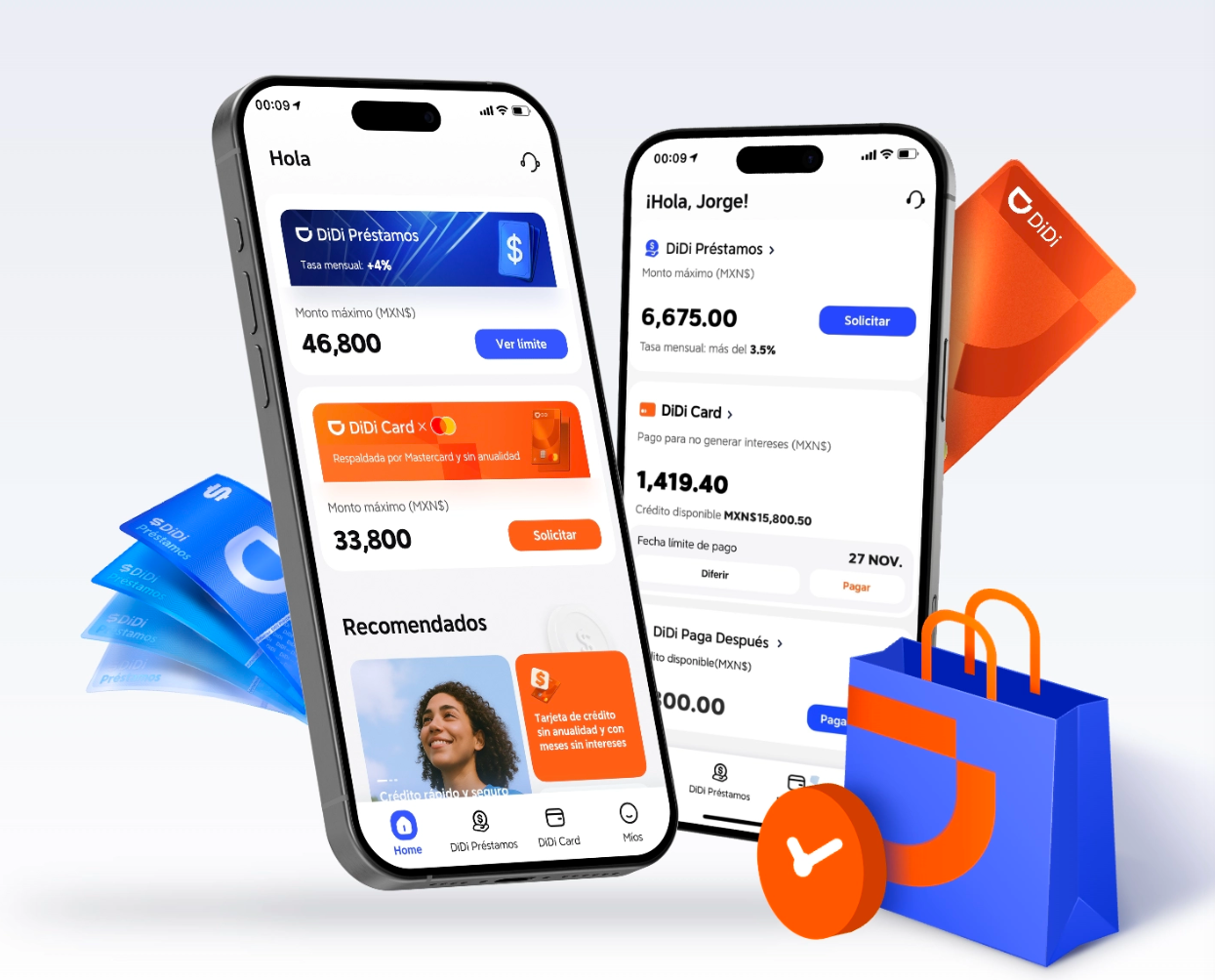
Two instruments sit on the table—one silent, a strip of plastic fashioned to the palm; the other ephemeral, a string of digits born in software. When a rider in Mexico City opts to split a fare with a ‘paga después’ plan inside a mobility app, the choice between a virtual card and a physical card alters the security equation. didi finanzas has woven installment payments into everyday journeys; understanding how each card type defends those tiny trusts is now practical prudence rather than speculation. This piece compares the protections, the trade-offs, and the configuration steps that matter when you choose to buy in instalments.
Core differences in defensive design
Physical cards lean on hardware-rooted safeguards: EMV chips, embossed numbers, and the friction of presenting plastic at a terminal. These attributes reduce skimming risk in face-to-face scenarios. Virtual cards, by contrast, are designed for ephemeral use—tokenization replaces the raw PAN (Primary Account Number) with single-use tokens that reduce exposure in breaches. Both methods benefit from two-factor authentication when adding a payment method to an account, and both must comply with PCI DSS expectations when handled by fintechs. The salient point: virtual cards minimize remote fraud; physical cards limit in-person manipulation.
How ‘paga después’ settings affect exposure
Configuring an installment plan is not merely clicking accept. A judicious setup sequence includes verifying the merchant, limiting stored payment instruments, and enabling real-time alerts for authorization attempts. For mobile-first products like those linked to didi finanzas mexico, the app’s permissions matter—deny broad background access to SMS and payment logs unless strictly necessary. A common mistake is allowing unlimited recurring charges on a single card; set explicit spend caps and renewal prompts. Small friction here prevents large headaches later—less convenience for more control, deliberately applied.
Practical trade-offs and everyday errors
Users often imagine a binary safe or unsafe rule; reality is a ledger of trade-offs. Virtual cards shine when you need a disposable instrument for one merchant or a single installment. They reduce the surface for chargebacks and make fraud investigation cleaner because tokens are discreet. Physical cards, however, remain convenient for cashbacks and rewards; they also work where NFC or token acceptance is absent. Mistakes usually fall into three patterns: storing too many cards, ignoring alerts, and skimping on linkage hygiene—forgetting to remove expired instruments or to reconcile statements weekly. —A brief pause in habits saves time and exposure.
Alternatives and complementary measures
Consider layering: use a virtual card for each merchant where possible, reserve a physical card for recurring household bills, and keep a secondary card for travel. Enable biometric unlocking for payment approvals, and prefer apps that surface authorization metadata (merchant name, amount, time). For higher-value installments, request explicit authentication challenges on tranche disbursements—the platform should show each scheduled charge and let you veto a single installment. These are simple controls but often absent from default flows; insist on them when you configure buy-now-pay-later terms.
Three golden rules for secure installment purchases
1) Limit token lifetime: prefer single-use or short-lived virtual cards for merchant-specific ‘paga después’ plans; this reduces the attack window. 2) Require explicit installment confirmations: every tranche should trigger a notification and require a soft confirmation or biometric acknowledgment before charge. 3) Reconcile monthly: match app statements to bank records within seven days to catch errors or unauthorized charges early. These metrics—token lifetime, confirmation fidelity, and reconciliation cadence—are practical and measurable across platforms.
Professional judgment favors systems that couple tokenization with visible, repeatable review steps; that is where operational security meets user agency. DiDi Finanzas fits naturally into that equation as a bridge between mobility payments and regulated finance—its features can reduce friction while preserving oversight. —Final thought: choose control over convenience, and let design follow the limits you set.