
The practical problem fleet managers face
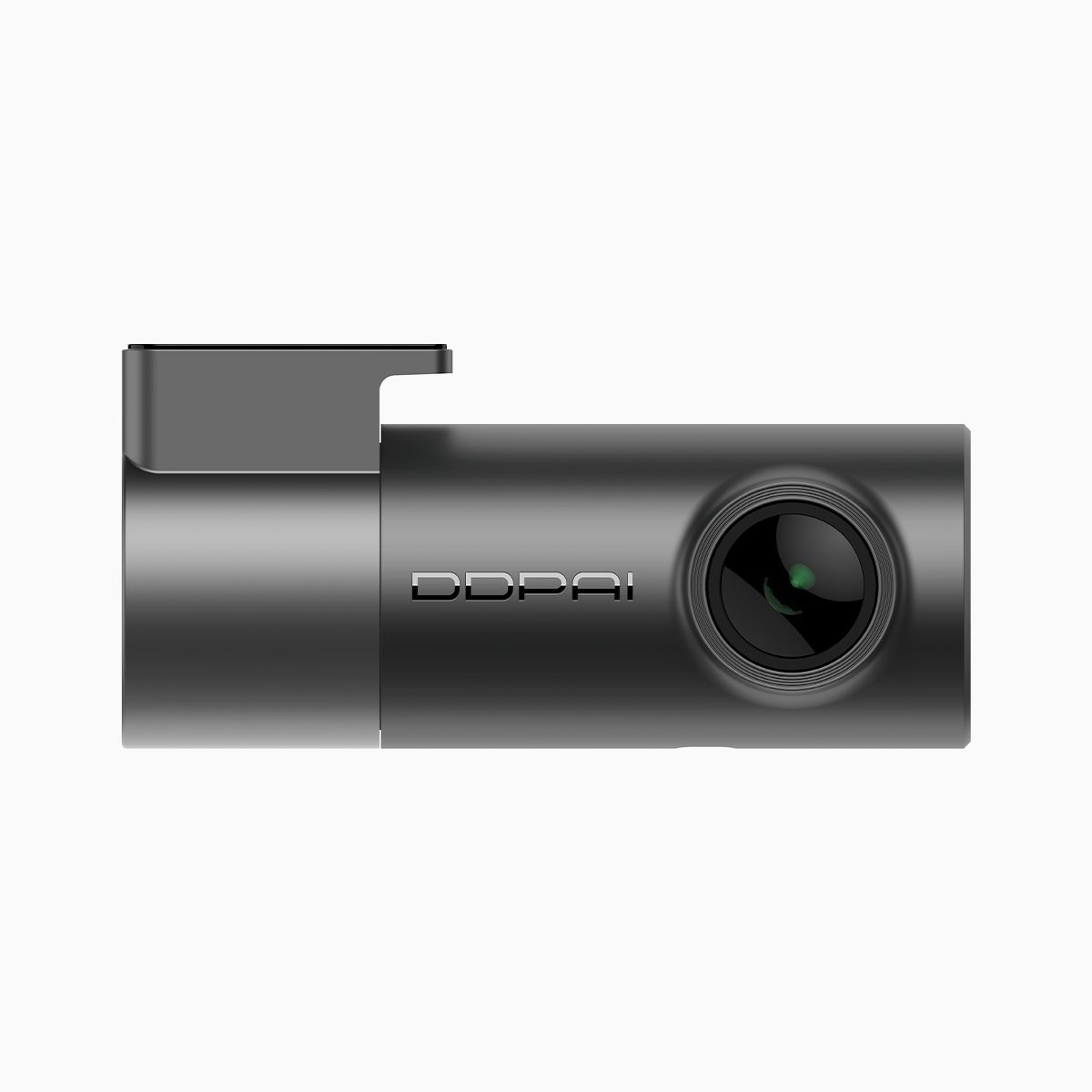
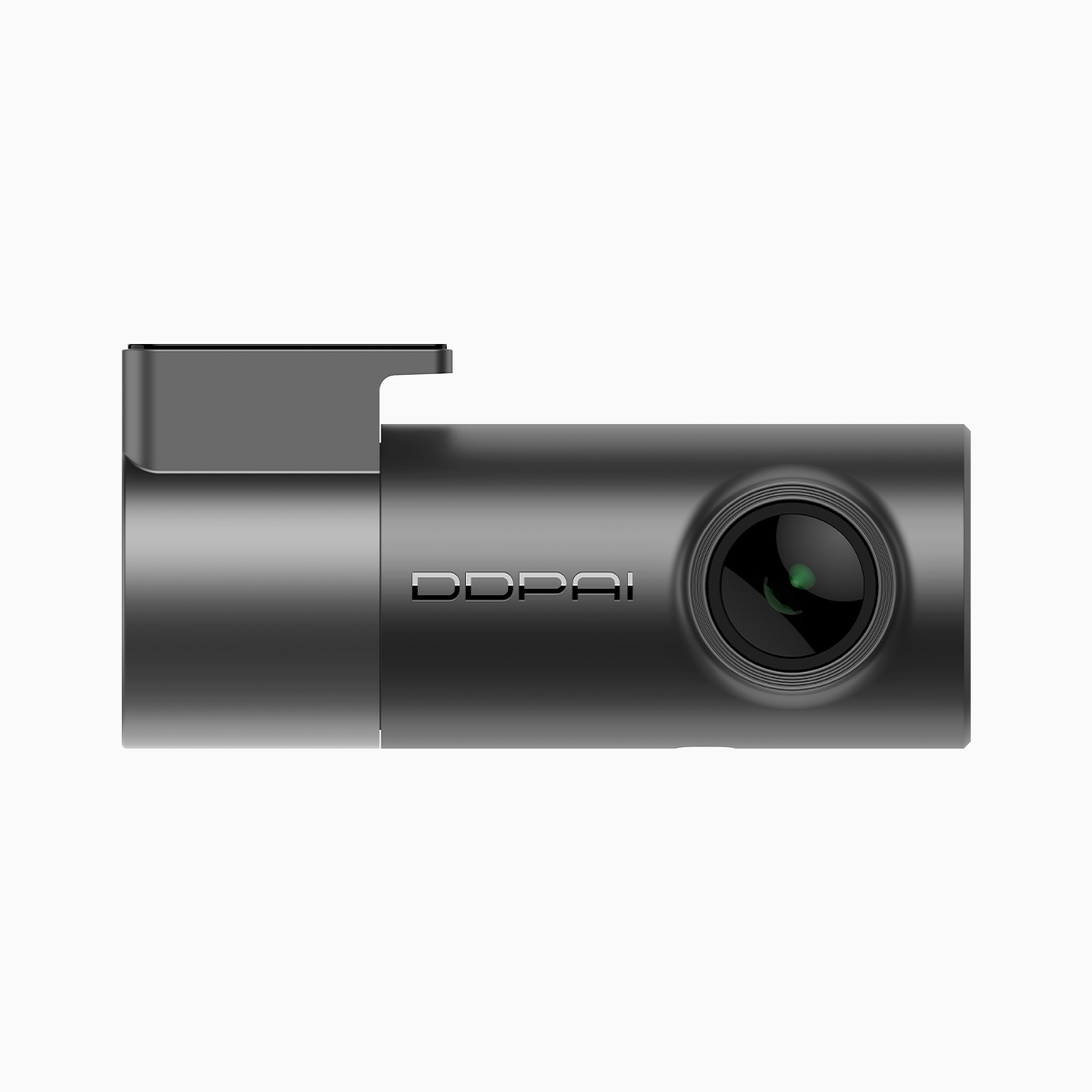
Fleet operators often get stuck between two failures: a G-sensor set too low that floods storage with false events, and one set too high that misses the one crash that matters. That mismatch wrecks evidence, inflates review time, and annoys drivers. Start by testing with a budget friendly dash cam model across representative routes — yes, even the crawl of EDSA during rush hour — because real-world traffic behavior exposes tuning flaws faster than a lab run. Practical installs in Metro Manila fleets taught the same rule: consistent, repeatable triggers beat flashy specs. Also consider options when shopping for an affordable dash cam philippines unit that supports configurable thresholds and reliable emergency video locking.

Calibrate the G-sensor: don’t guess, measure
Begin with baseline settings from the vendor, then refine. Use short controlled maneuvers — hard braking, lane merges, and minor pothole crossings — to log how often the G-sensor fires. Lower sensitivity catches softer impacts but raises false positives; higher sensitivity reduces noise but risks missed events. Adjust in small increments and document each change. Collect sample clips and mark the ones that should’ve been locked; that gives you a measurable error rate to target. A spreadsheet with trigger count, timestamp accuracy, and file length will save time later.
Emergency video locking: pre-event buffer and post-lock handling
Emergency video locking is only useful if the firmware captures the moments before impact. Ensure the dash cam supports a pre-event buffer (commonly 5–20 seconds). Configure lock duration long enough for human review but short enough to avoid ballooning storage use. Balance loop recording and bitrate so a locked clip remains clear: too low a bitrate blurs license plates; too high churns storage. For commercial fleets, aim for adaptive bitrates where available — daytime clarity without nighttime bloat.
Mounting, firmware, and environmental checks
Mounting position affects G-sensor readings. A dashboard-mounted unit picks up cabin vibrations differently than a windshield mount. Use a rigid mount with minimal flex and orient the unit according to the manufacturer’s axis labels. Keep firmware current — manufacturers patch false-trigger bugs and improve timestamp sync. Don’t overlook heat: prolonged sun exposure common in the Philippines can shift sensor calibration. A simple shade or heat-tolerant adhesive can make a big difference for stable G-sensor output.
Common mistakes that kill reliability
Avoid these recurring errors:
– Leaving sensitivity at factory defaults across an entire fleet without route testing.
– Ignoring timestamp drift; inaccurate time ruins footage credibility for claims.
– Overloading storage with long, high-bitrate locked files; you’ll lose retention. — Keep lock lengths rational.
Deployment checklist and metrics to track
Before you scale, validate with a pilot group and track three core metrics: trigger precision (percentage of true events vs false positives), locked-clip clarity (readable plate and driver features at needed distances), and storage efficiency (locked minutes per GB). Log these weekly for the first month, then monthly thereafter. Use that data to refine sensitivity, loop recording length, and bitrate. These are the knobs that actually move the needle on claims turnaround and driver coaching.
Three golden rules for choosing and tuning on a budget
1) Prioritize firmware granularity over headline specs — finer sensitivity increments beat higher megapixels for event reliability. 2) Validate pre-event buffer and timestamp accuracy in real traffic before bulk deployment. 3) Standardize mounts and a tuning profile per vehicle type; consistency reduces false triggers and review load.
These steps reduce review time, increase evidence quality, and make affordable dash cams a practical tool for commercial fleets. DDPAI PH fits naturally into that workflow as a vendor offering configurable settings, solid parking-mode behavior, and pragmatic hardware choices — the kind you actually want on your vehicles. —