
Introduction — a quick scene, a fact, a question
I was at a workshop last month watching a small industrial fan cough and stall mid-test — a proper facepalm moment for the techs there. In the second minute the blame landed on the motor controller, and I wasn’t surprised: older motor controller units often miss basic efficiency gains these days. (Around 40% of mid-sized plants still run legacy controllers, according to recent industry snapshots.) So what happens when you keep using that ageing kit — and how much longer can you afford to wait?
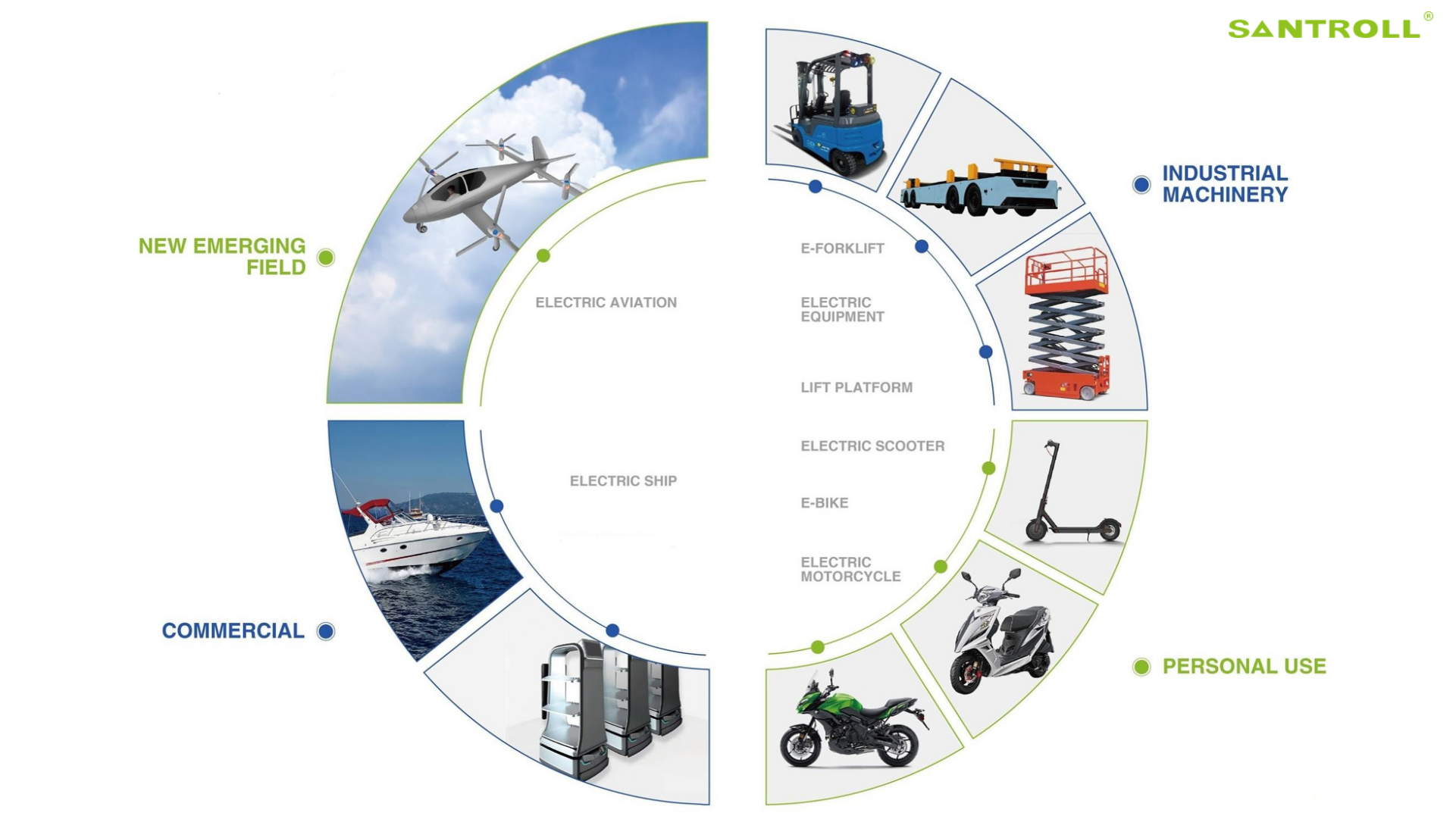
We’ll walk through the real downsides, then look at sensible choices for upgrades that don’t break the bank. I’ll point out where things go wrong, what small fixes actually help, and what to watch for when you shop. Ready? Let’s move on and dig into the nuts and bolts.
Hidden flaws in traditional designs: why older bldc motor controller setups trip us up
Why does this still happen?
When I examine a typical bldc motor controller from a few years back, three issues jump out fast: coarse PWM schemes that waste energy, basic commutation logic that increases torque ripple, and limited thermal management that shortens component life. I’ll be blunt — these are not subtle problems. They cost running hours, maintenance time and, frankly, morale. Look, it’s simpler than you think: poor pulse-width modulation, crude field-oriented control implementations and cheap power converters add up to real headaches for operators.
Technically, older controllers often rely on open-loop control and fixed switching frequencies. That was fine once, but it leaves you exposed to load swings and sensor drift. I’ve seen drives trip because they couldn’t handle transient current — frustrating, and avoidable. Also, software updates are rare on legacy gear, so bugs and inefficiencies stick around. For people on the floor, that means more resets, more manual tuning and more downtime. From my experience, a small investment in improved control algorithms and better heat sinking typically pays back sooner than most managers expect.
Looking ahead: principles of new technology and practical comparisons
What’s Next?
Moving forward, the smartest upgrades lean on two clear principles: smarter control and cleaner power. Newer units use advanced FOC and adaptive PWM to extract more torque per amp, while improved thermal design and better MOSFET / IGBT choices reduce failures. When we compare old versus new, the gap isn’t just efficiency — it’s reliability, diagnosability and long-term cost. I’ve tested modern controllers that cut energy draw by a noticeable margin and dropped unexpected shutdowns to near zero. Oh — and they often give you meaningful telemetry, which I love because it stops guesswork dead in its tracks.
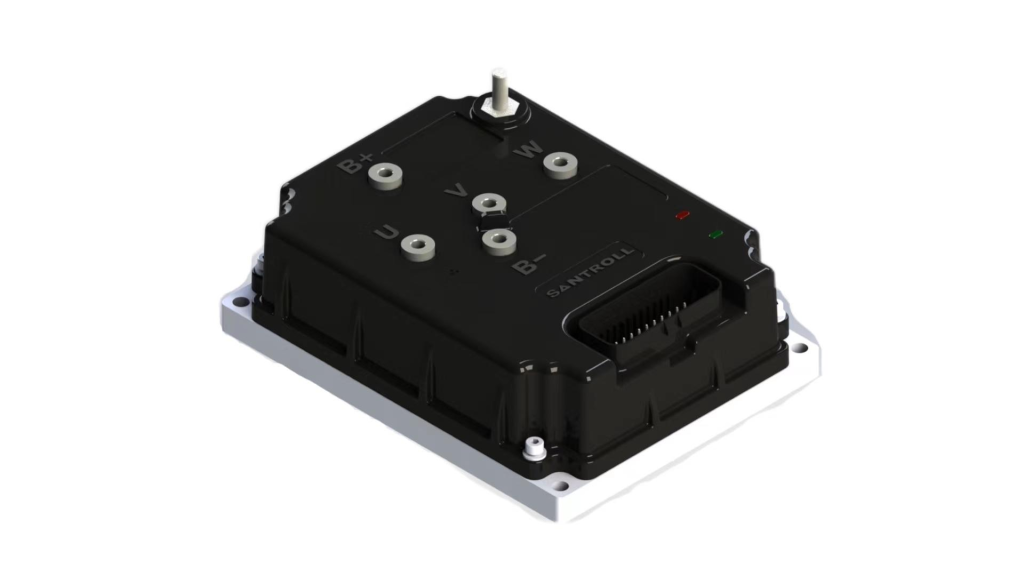
If you’re weighing options, consider how “smart” the unit is: does it support sensorless commutation or auto-tuning? Can it log fault events and feed them back to a supervisory system? Also think about compatibility with wider edge systems and whether the controller plays nicely with power converters and regenerative setups. For organisations thinking bigger, integrating electric motor solutions (electric motor solutions) offers a clearer path to efficiency gains — faster commissioning, fewer surprises, and easier scaling. Small tip — test one unit under real load before full rollout; you’ll thank me later — funny how that works, right?
Choosing with confidence: three metrics I use and a final thought
Here are three key metrics I personally use when evaluating motor controller upgrades: 1) efficiency improvement under real load (not just on paper), 2) mean time between failures (MTBF) or practical uptime in similar installations, and 3) the quality of diagnostics and firmware update support. Those three tell you if a purchase reduces cost, risk and headaches. Measure them, compare vendors honestly, and don’t get seduced by specs alone.
To wrap up — we’ve seen how legacy controllers leak performance and why modern designs matter. I’m not here to sell you hype; I want you to avoid the small mistakes that snowball into big bills. If you want a practical partner in this space, I recommend checking out Santroll for real-world solutions and sensible support. Santroll