
Introduction: a proper shift in how kit gets put in the field
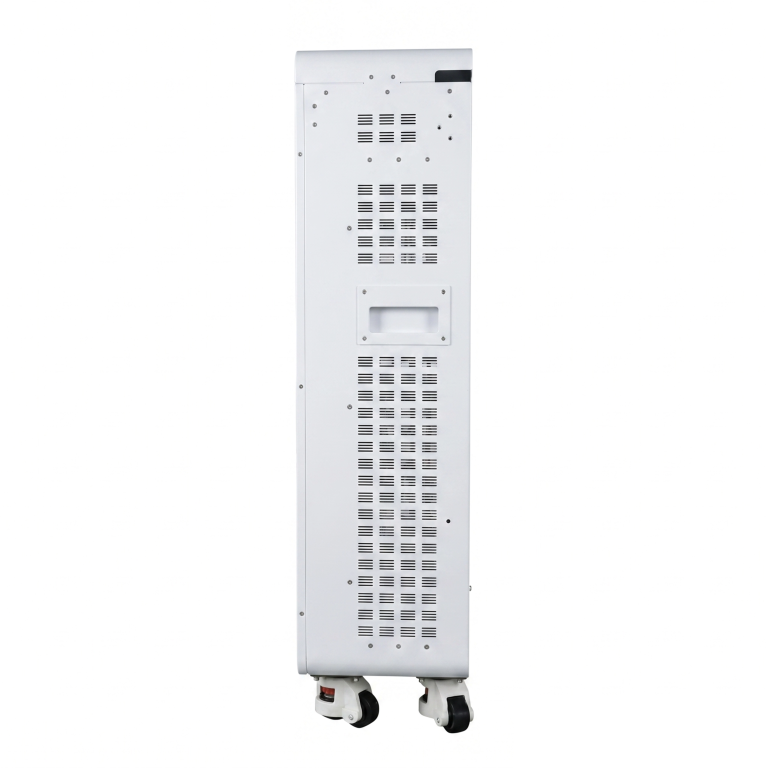
Right then — these days commercial installers are swapping heavy monoblocks for modular stackable units because speed and serviceability matter more than ever. A tidy example is the way a Portable Solar Power Station can be deployed in phases: drop a base inverter, stack additional battery modules, and you’ve scaled capacity without redoing the whole rig. That flexibility saves time on-site and lowers lift costs for rooftop and remote builds where every evening counts.
Comparative clarity: stackable modularity versus single-box systems
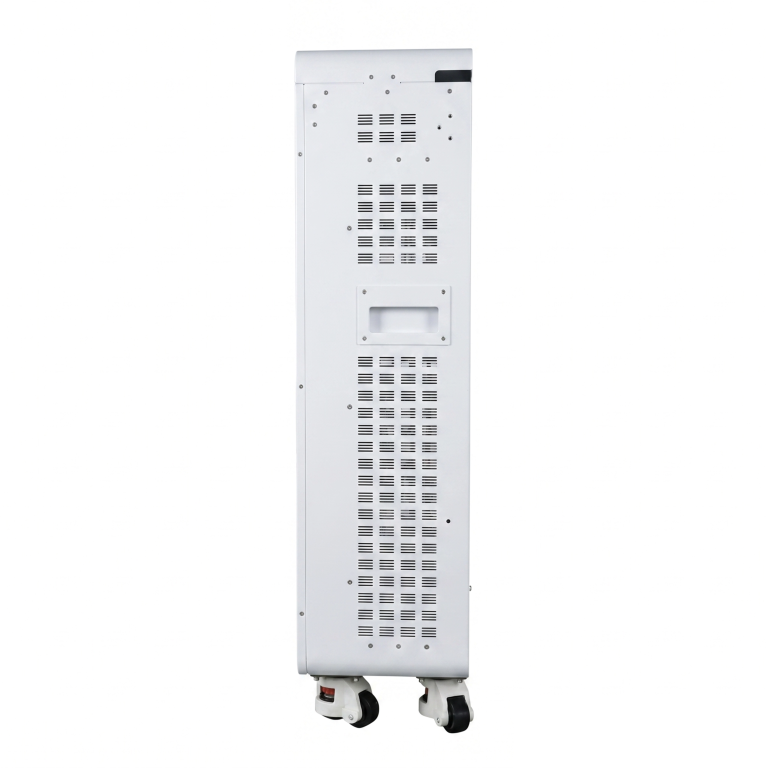
Traditional single-box portable stations bundle inverter, battery and controls in one heavy casing. That’s simple, but it means a failure or upgrade affects the entire unit. Modular stackable systems split functions — separate battery modules, a central inverter, and shared communications — so technicians can swap a single LiFePO4 cell or add capacity without lifting out a whole assembly. That modularity reduces downtime and keeps a site operational while work happens round the edges.
On transport and installation efficiency
Commercial lads know the cost of a crane hire or a bespoke trolley. Smaller, stackable modules fit through standard doors and onto pallet jacks, which drops transport friction. Install teams often work to tight windows at retail roofs or busy festival sites, and lighter modules speed hand-offs and cut labour hours. The result is fewer site visits and lower overall install bills — proper savings that show on invoices.
Serviceability and lifecycle economics — the real money bit
Beyond the initial price tag, stackable systems change maintenance maths. If a single module reaches its cycle limit, you replace that module rather than the whole station. Modern systems include a robust battery management system (BMS) and hot-swappable connections, so service crews can do component-level repairs on a live installation — minimal downtime and less waste. Over a five- to seven-year horizon, that modular approach usually delivers a lower total cost of ownership than a one-piece unit.
Performance and safety in real-world conditions
LiFePO4 chemistry brings thermal stability and long cycle life, which is why many installers specify lifepo4 portable solar power station modules for commercial jobs. In places where weather or emergency response is a factor — take the recent California wildfire seasons as a stark example — resilient battery chemistry and predictable discharge profiles matter for both safety and sustained AC output. Stackable designs also let teams stage capacity for emergency demand without overcommitting capital.
Controls, integration and on-site adaptability
Commercial systems must talk to monitoring platforms and site SCADA. Stackable units tend to use standardised bus links and CAN/RS485 communication, so integrators can chain modules and present a single system view. That simplifies commissioning and remote diagnostics — engineers can balance cells, update firmware, or limit charge rates from a central console. It’s tidy for asset managers and keeps lease clauses straightforward.
Common pitfalls and practical tips
Installers switching to modular stacks make a few predictable errors — undersizing busbars, ignoring cooling paths, and not planning for incremental capacity growth. Mind the rack layout and cable runs up front; plan for firmware updates and keep spare modules in the storeroom. Also, label everything. — Saves a right old faff a few months down the road.
Summary and what to look for next
Commercial installers pick modular stackable form factors for measurable reasons: easier transport, faster installs, lower lifecycle costs, and cleaner integration. When assessing options, weigh quality of the BMS, the inverter’s continuous rating, and the physical stack connector design. These three points determine how seamless the system will be in real deployments and how simple maintenance will remain over time.
Closing guidance
For practical selection, use these golden rules: 1) verify the module’s BMS diagnostics and warranty coverage; 2) confirm inverter compatibility and AC output rating for concurrent loads; 3) check physical handling specs — weight per module and stack locking. Follow those and you’ll avoid the usual snags and keep projects on schedule.
Final thought — modular systems give installers a pragmatic way to scale and service power where it’s needed most; worth a look from anyone fitting commercial solar these days. — gsopower