
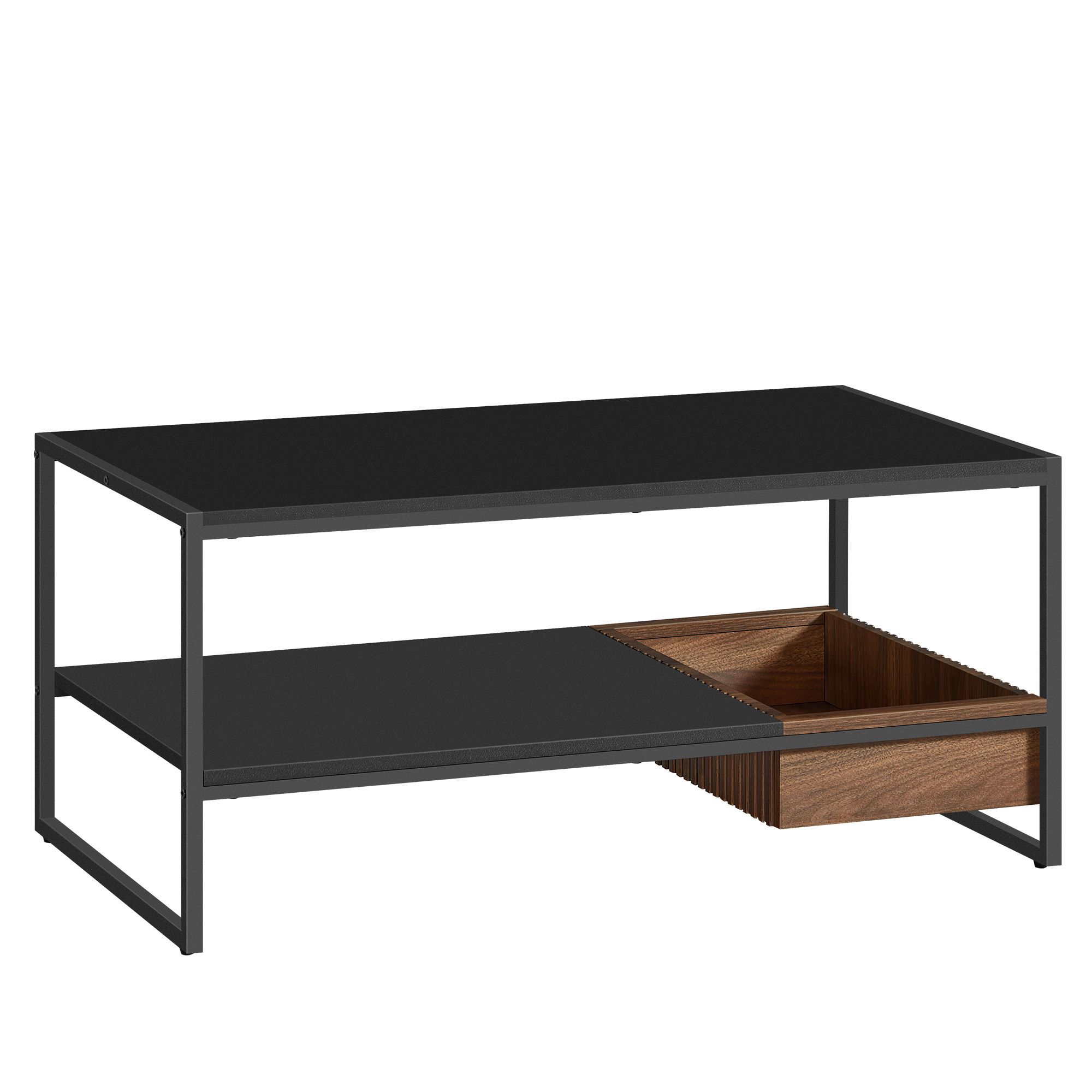
Why These Signals Matter Now
You’re racing to launch a living room line, and your shortlist points to a china coffee table supplier. Coffee table manufacturers on every continent promise speed and style. Picture this: your cart is full of samples, deadlines are tight, and the catalog looks strong—almost too strong. Last quarter, 27% of furniture returns tied back to wobble or finish issues, and average delays added 18 days due to packaging rework. So, what actually makes one partner safer than the next?
Here’s the bold truth: the winner isn’t the cheapest or the closest. It’s the one who can help you control risk at scale. Think clear QC data, stable lead times, and clean KD packaging (no drama at final assembly). The right shop will share load-testing numbers and carton drop data, not just pretty photos—funny how that works, right? If you want less noise and more signal, start with how each maker proves the basics. Then ask who keeps you agile when demand spikes. That’s the key. Let’s move from the hype to the real mechanics.
The Deeper Layer: Pain Points You Don’t See on the Quote
What’s the real bottleneck?
Hidden pain points sink margins. A china coffee table supplier may present a sharp unit price, yet your total cost blooms in transit and post-arrival fixes. The usual culprit is data gaps. If the factory can’t show an AQL-based QC sampling plan, you will pay later. If materials are vague (is that E1 MDF or mixed stock?), finishes may shift batch to batch. And if KD packaging lacks a verified carton drop spec, returns rise. Look, it’s simpler than you think: ask for the proof upfront, not after your first container lands.
Another blind spot is process control. Watch for CNC routing repeatability across shifts, not just a single golden sample. Check powder coating cure times and real humidity readings during finish runs. Confirm MOQ logic and how it ties to raw board yield—otherwise your SKUs drift and your cash sleeps in inventory. Freight is the last trap. Without palletization rules and container load maps, you’ll waste volume and pay for air. A small checklist here beats a big apology to your buyers later.
Looking Ahead: How Smarter Sourcing Tech Changes the Game
What’s Next
Forward-looking teams are switching from intuition to visible systems. Not flashy—just tighter loops. Supplier portals now log QC photos by station, with SKU-level traceability. Digital load tests tag each leg, top, and fastener to the exact BOM version. That means when a wobble shows up, you don’t guess; you trace and fix. Some shops even track torque values and carton crush data on the same dashboard. When you scale coffee tables wholesale, this is gold. It trims variance, smooths replenishment, and cuts firefighting. And with simple carton optimization software—nothing fancy—you can reclaim 5–12% container space (which often pays for the software). Progress looks quiet on the outside, but inside it’s a different machine—less rework, less risk.
Let’s put it in comparative terms. Old-school buying chases the lowest quote and hopes QA will catch the rest. The new model bakes QA into the line, shows you the evidence, and aligns packaging with your channels. You still compare China vs. local, sure, but now you compare proof vs. promise. The metrics tell the story—funny how that works, right? And if your partner can plug into your simple sheets or PLM later, you get future-ready without a giant IT project. The net effect: faster resets when a style pops, fewer returns, and calmer launches (the good kind of quiet).
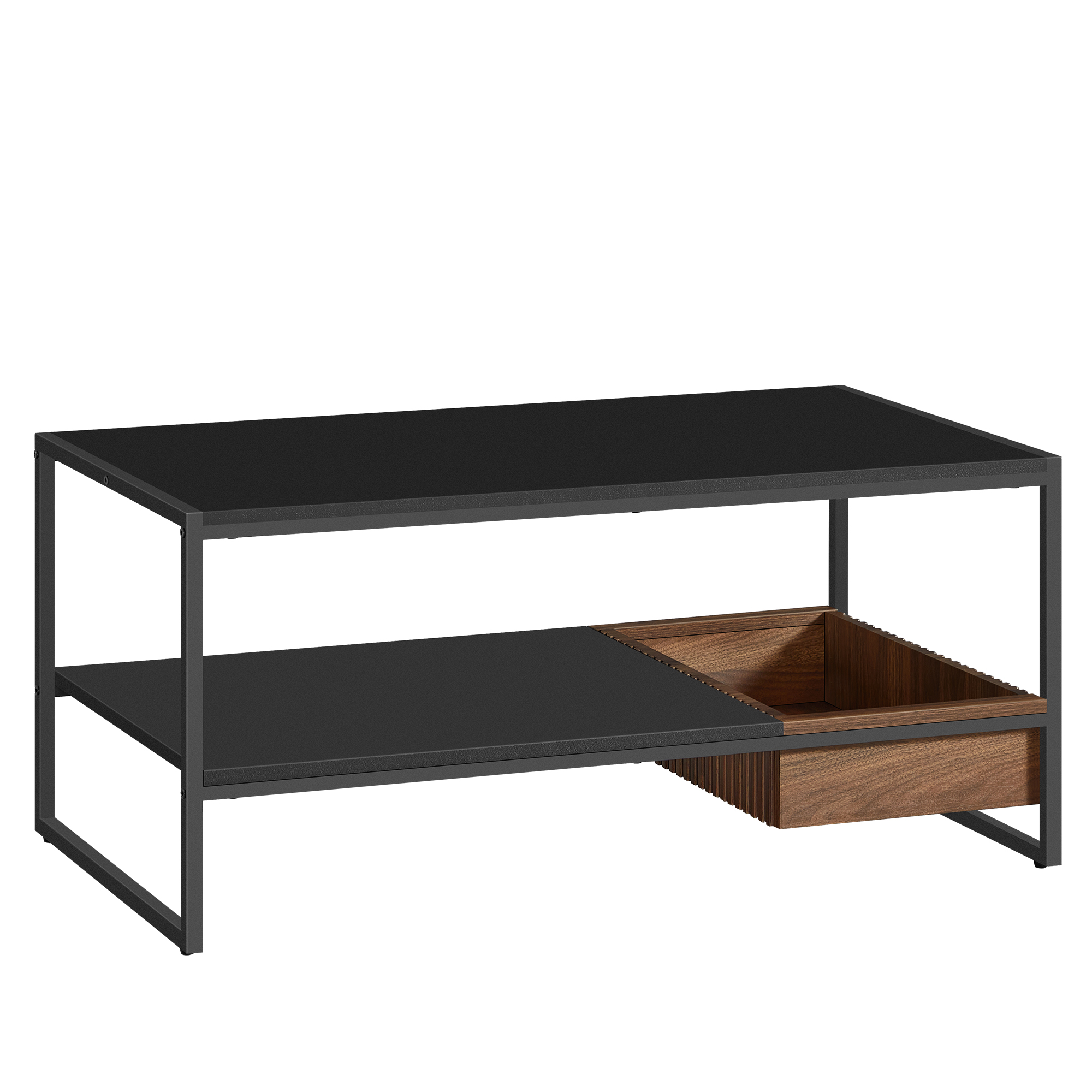
To close with something you can use today, here are three evaluation metrics that keep you honest: 1) Process evidence: AQL tables, material certs, and station photos linked to the BOM; 2) Packaging science: verified drop tests, edge crush data, and a container load plan per SKU; 3) Stability signals: on-time rate over the last 90 days, plus variance in lead time during peak weeks. Measure these across both China and local options, and the best partner will stand out. For a deeper look at practical sourcing frameworks and manufacturing benchmarks, see SONGMICS HOME B2B.