
Introduction: Why this matters — and who gets left behind
Have you ever wondered why many lab setups promise reliable data but deliver noisy, unusable results instead? That gap matters because high-quality behavioral data shapes policy decisions, funding, and the way we treat animal subjects. In many labs, a mouse treadmill is the centerpiece of motor and endurance studies, yet it often becomes a bottleneck rather than a tool. (I’ve seen it: a slick device, poor calibration, wasted hours.)
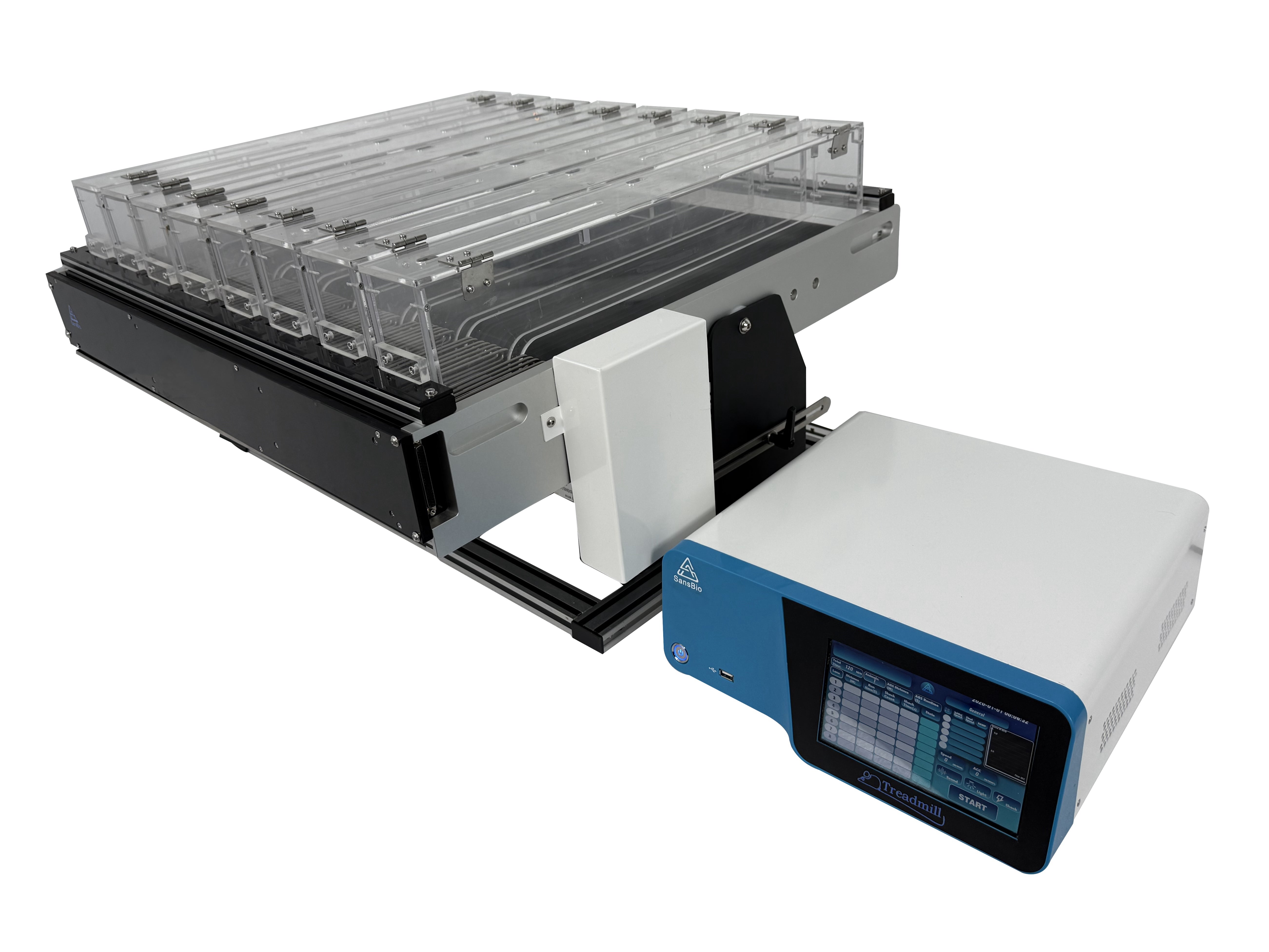
Consider some simple figures: small differences in treadmill belt alignment or speed controller drift can change an animal’s gait metrics by 10–30% — enough to flip a study outcome. So we must ask: are we designing experiments around the tool, or are we designing the tool to serve rigorous science? I argue we need to push labs to adopt clearer standards and smarter hardware choices. This is not just technical nitpicking; it affects replicability, animal welfare, and funding decisions. — funny how that works, right?
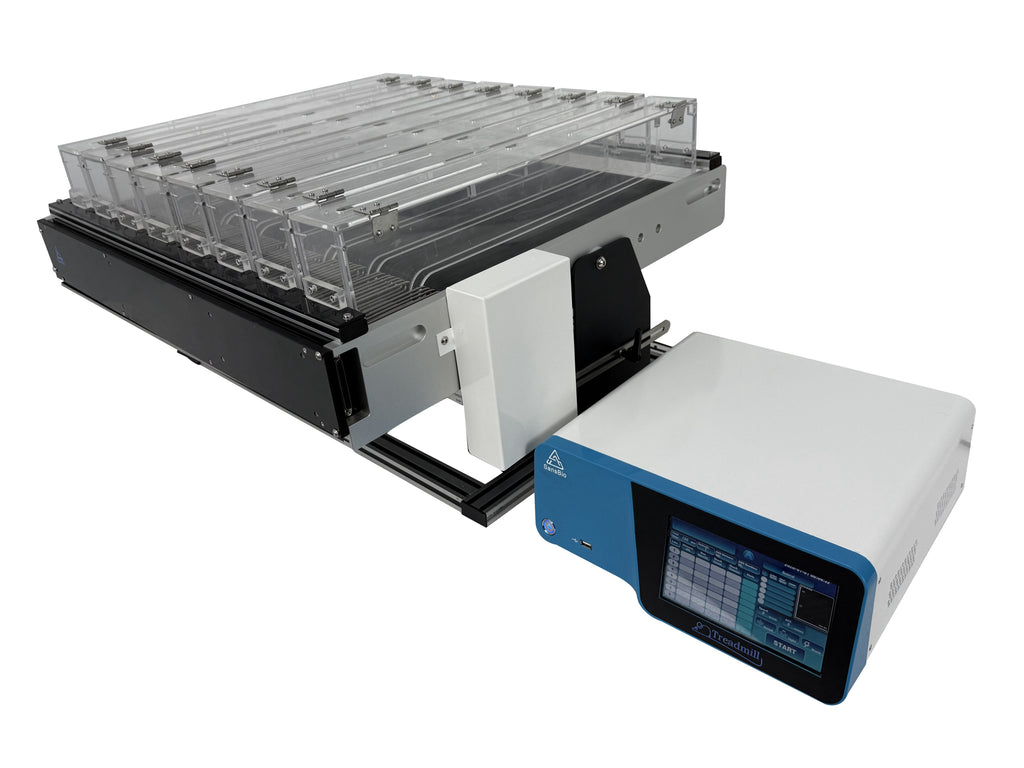
Below I’ll walk through the root problems I routinely see, unpack practical fixes, and point to a few metrics you can use to evaluate options. I won’t sugarcoat things. We need direct, usable changes that labs can implement this week. Now, let’s dig into where the trouble starts and how to stop it before your next run.
Part 2 — Deeper Problems: What’s really wrong with most mice treadmill setups?
I want to be blunt: many traditional approaches treat the mice treadmill as a black box. Designers focus on basic specs — belt length, max speed — but ignore how small hardware flaws and protocol drift wreck data. In my experience, three technical faults show up most: poor treadmill belt alignment, weak speed controller accuracy, and inconsistent infrared sensors for step detection. These issues create bias and noise in gait analysis and endurance tests.
Why do standard setups fail?
First, belt alignment. A misaligned treadmill belt creates lateral drift. That changes stride width and makes groups look different when they are not. Second, speed controller drift. Even a 0.1 m/s variance across sessions skews metabolic and distance measures. Third, sensor placement (think infrared sensors or motion trackers) is often ad hoc. One misplaced sensor can change event timing and invalidate synchrony measures. Look, it’s simpler than you think: small hardware errors mean big data errors.
Technically speaking, the solution requires calibrated motor torque specs, regular power converter checks, and routine validation logs. I recommend labs log calibration results before each study and use a standardized checklist. This fixes a lot. We also need to train staff to spot subtle issues early — not after weeks of wasted experiments. I’ve seen a lab recover months of work by fixing one sensor mount. — serious change, small fix.
Part 3 — Moving forward: better design principles and how to choose the right setup
Looking ahead, I favor pragmatic upgrades over flashy new toys. For a forward-looking lab, prioritize repeatability, modularity, and clear metrics. On the technical side, that means choosing treadmills with stable speed controllers, replaceable belts, and accessible diagnostics. It also means integrating simple edge computing nodes to log real-time performance and flag anomalies. Adopting these principles improves data quality and reduces technician time spent troubleshooting.
What’s Next — practical steps and the future
Here’s a brief roadmap I use when advising labs: run a baseline validation (10 repeated trials), track drift with a calibration rig, and adopt a sensor mounting standard. Also, consider systems that report motor torque and belt slip in real time. These additions cost a bit up front but save far more later. I believe the best labs will combine solid hardware with clear SOPs — not either/or. They’ll favor systems that let them reproduce runs across machines and teams.
To help you decide, here are three metrics I use when evaluating any mice treadmill solution: 1) Speed stability (variance in m/s over 30 minutes), 2) Sensor timing accuracy (ms jitter), and 3) Ease of calibration (time to full validation). Apply these, and you’ll filter out the systems that look good on paper but fail in practice. We’ve tested a few options and found that those with clear diagnostics and replaceable modular parts reduce experiment failure rates significantly.
Finally, when you’re ready to source equipment, I often point colleagues toward reliable providers — including BPLabLine — who combine good engineering with sensible service. I’m speaking from hands-on fixes and late nights debugging setups. If you want reproducible results, start with the basics: calibrate, document, and measure. You’ll thank yourself later.