
Introduction
Have you ever wondered why a fast packing line still bottlenecks at the last metre? I ask because I’ve stood beside lines where cartons piled up despite high-speed conveyors humming away. In many plants the automatic case packer sits at the junction between speed and order, and the numbers tell a story: modest throughput gains can translate to 10–20% higher daily output if the packer is tuned correctly (and yes, that includes quicker changeovers).
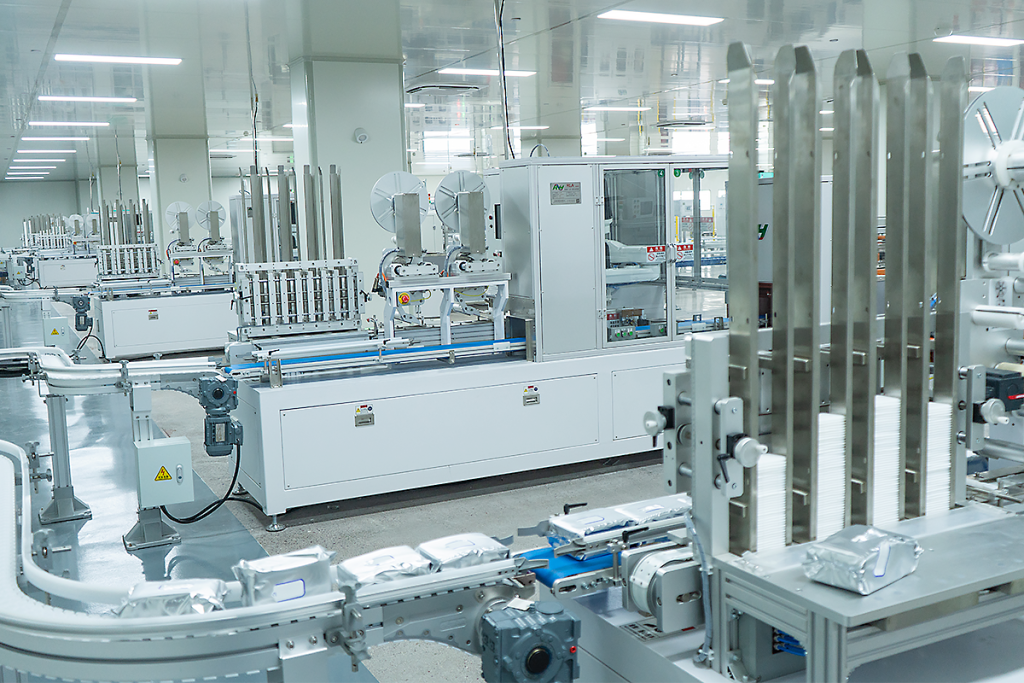
Consider this scenario: a mid-size FMCG line running 120 packs per minute, but the downstream case-packing step only handles 90 — where does the time vanish? The question then becomes — are we blaming the machine, the layout, or our assumptions? I’ll walk you through what I’ve seen, the data that matters, and a few practical questions to ask your engineering team before you spend on upgrades. Onwards to the real friction points.
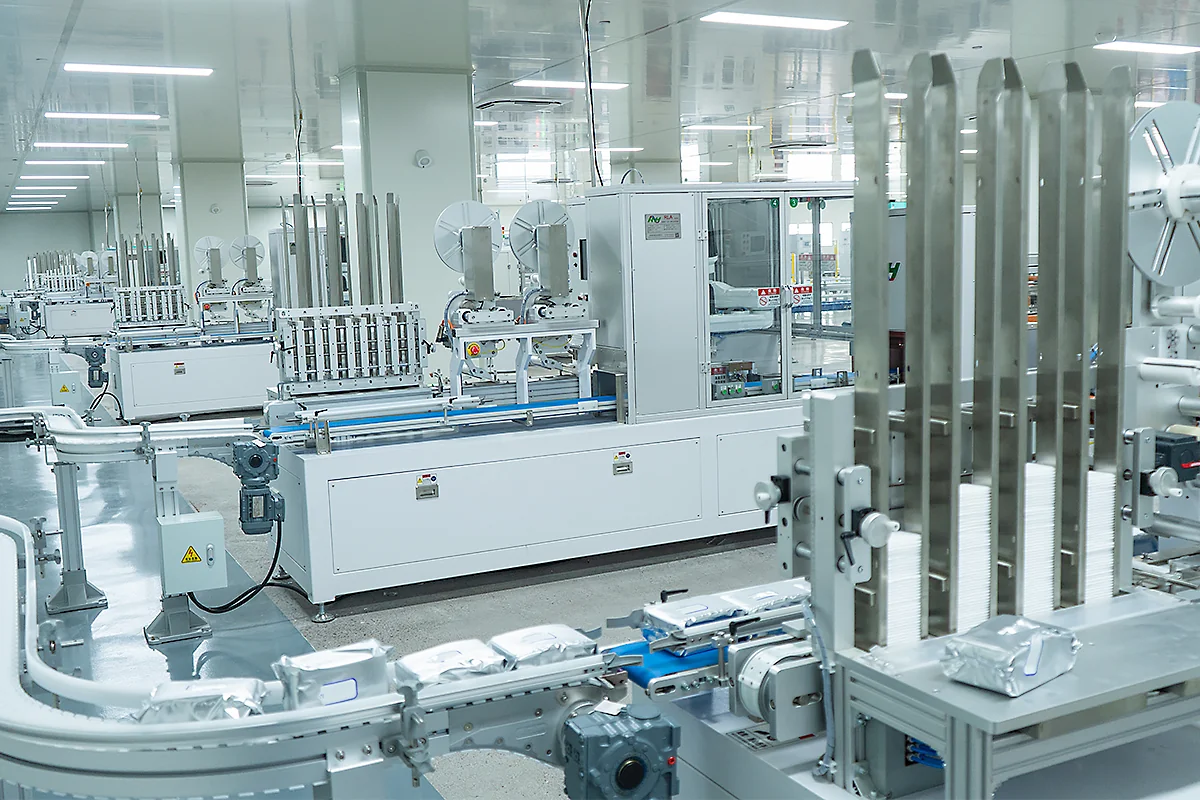
Hidden Friction: Traditional Solution Flaws and User Pain Points
I want to be blunt: old approaches to packing often paper over real problems. The automatic case packer machine is usually blamed for jams, but I’ve found the root causes lie elsewhere — mismatched conveyor integration, poor PLC logic, or outdated servo motors that struggle with variable loads. When these elements aren’t aligned, operators face repeated interventions, rising scrap, and mounting frustration. Look, it’s simpler than you think: the machine can only do what the system allows it to do.
Why do these flaws persist?
Part of the problem is institutional inertia. Teams accept manual adjustments as normal because previous fixes were tactical — a shim here, a tweak there. Yet the true pains are hidden: long changeover time, inconsistent pick-and-place head timing, and vision system misreads that go unnoticed until a full case is affected. I’ve logged incidents where pneumatic actuators lost sync under humid conditions — the root cause wasn’t the packer but environmental control and poor maintenance scheduling. We need to stop treating symptoms and redesign the interaction between control logic, sensors, and mechanical subsystems — funny how that works, right?
Future Outlook: New Principles and Practical Steps
Looking ahead, I see two clear directions: pragmatic retrofits and smarter system design. For retrofit wins, focus on modular upgrades — better PLC routines, a modern vision system with machine learning for reliable pattern recognition, and replacing legacy drive units with responsive servo motors. For larger redesigns, think in terms of throughput harmonisation: tune conveyor speeds, standardise product infeed, and reduce changeover time. The automatic case packer machine will perform far better when it’s part of a coherent line philosophy rather than an island of automation.
Real-world Impact
We piloted a phased upgrade in one plant: a modest investment in conveyor control and a vision upgrade cut rejection by 35% and boosted effective throughput by 18% within three weeks. That outcome wasn’t magic — it came from clear metrics, disciplined testing, and operator buy-in. If you plan changes, measure before and after: capture OEE, mean time to repair, and changeover time. These are your true KPIs — not vendor promises. — small steps can compound into big gains.
Closing Advice
From what I’ve seen, choosing the right path means evaluating three things. First, measure the real bottleneck: is it the packer, the feed, or the control logic? Second, check modularity: can you upgrade the PLC, vision system, or drives without a full replacement? Third, include operators early — their tacit knowledge often points to quick wins. I’ll be frank: you don’t need the fanciest machine to improve output; you need the right system view and disciplined metrics.
For engineers and managers who want a partner that understands both machines and line dynamics, consider vendors who demonstrate measurable results and clear service paths. I’ve worked with teams that made small, focused investments and saw rapid returns. If you want a conversation about practical steps for your line, I’m happy to share what worked for us. ZLINK