
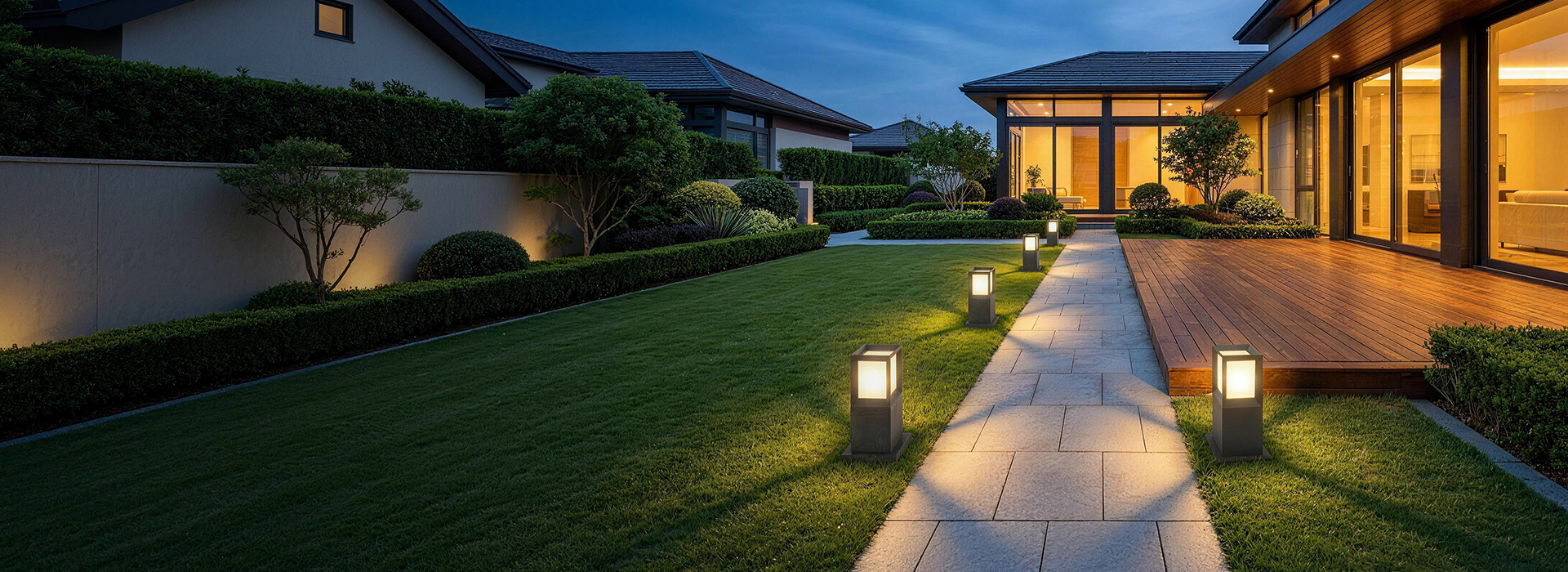
A pressing problem for hotel design teams
Hotel developers face a simple, stubborn problem: retail-grade exterior fixtures often promise savings on paper but fail when the curtain goes up at night. Guests notice, operations suffer, and the brand story frays. For architects and lighting designers trying to deliver a cohesive guest experience, the fix is usually bespoke — think custom outdoor lighting that matches the building’s intent and endures the elements. The gaps you’ll see most are in IP rating and color temperature control, not just the sticker price.
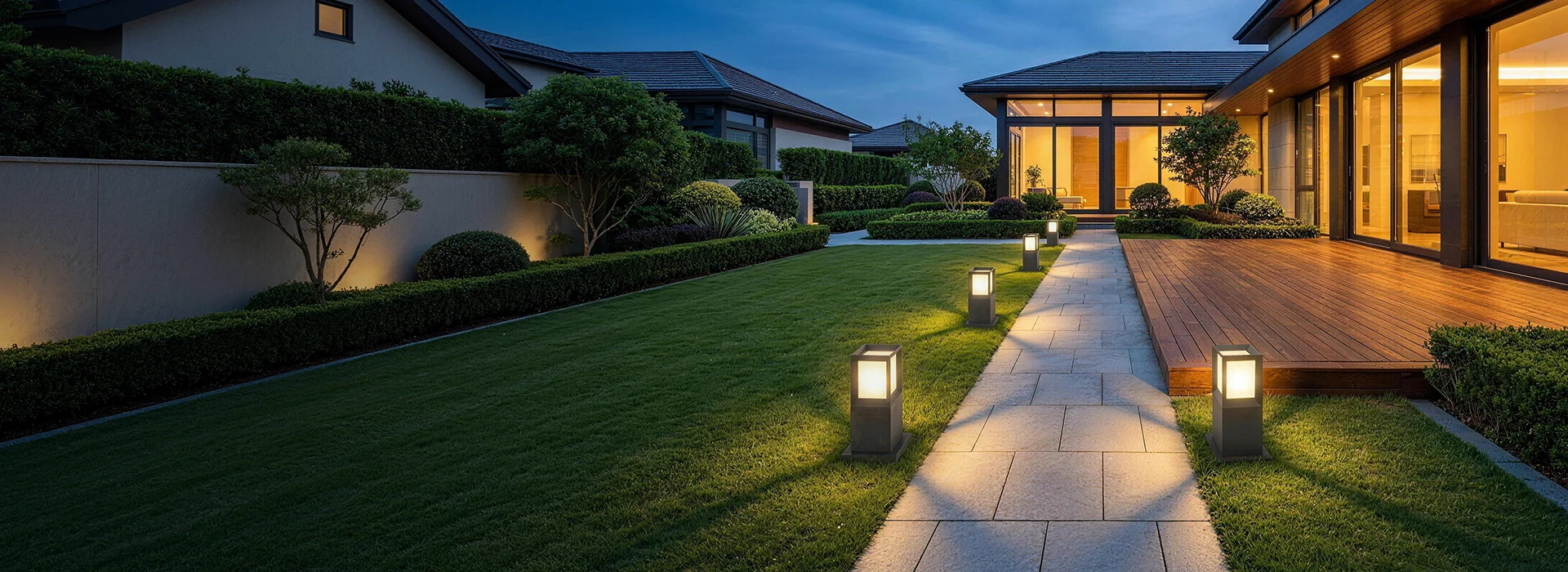
Why architectural-grade facade lighting answers the need
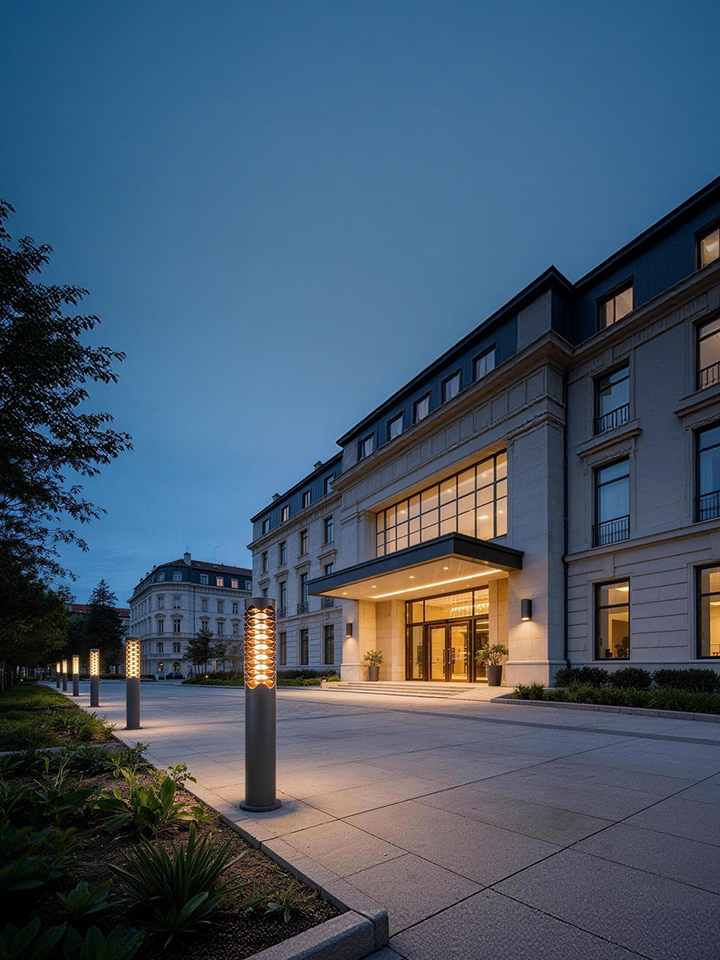
Architectural-grade systems are made with hotel-scale demands in mind: higher lumen output for consistent washes, tighter beam angles to sculpt facades, and control protocols like DMX control for dynamic scenes. They’re specified to IES guidance and built to last through coastal winds or urban grit — which matters when you’re lighting a signature building like the Burj Al Arab or a historic waterfront hotel. The result is a purposeful night-time identity, not a patchwork of fixtures that betray the design.
Where retail fixtures fall short
Retail fixtures are fine for storefronts — short runs, quick replacements, lower exposure. For hotels, they trip up on a few fronts:
- Durability: retail units often lack marine-grade finishes and robust thermal management, causing premature lumen depreciation.
- Optical control: poor beam angles and wide spill create glare or wash out architectural detail.
- Controls integration: many retail lamps aren’t made for networked lighting scenes or addressable channels.
Put bluntly — you’ll save on initial cost but spend more on reworks, maintenance, and guest complaints. —
How developers should specify lighting: practical criteria
When you’re writing a spec, make it measurable. Use these points as non-negotiables:
- Lumen output and efficacy numbers tied to target illuminance (lux) on facade planes.
- IP rating appropriate to exposure (IP65 minimum for many facades; higher where spray or salt is present).
- Color rendering (CRI) and consistent color temperature across fixtures to preserve material tones.
- Control protocol (DMX control, DALI, or equivalent) to enable timed scenes and tunable-white schemes.
Also think of maintenance access and modularity — down the line you’ll thank the team that planned for replaceable optics and serviceable drivers. Consider pairing architectural fixtures with discreet led landscape lights for perimeter and garden transitions to keep a unified language from curb to canopy.
Common mistakes and how to avoid them
Design teams often stumble on three recurring errors:
- Under-specifying the environment: seaside resorts require higher corrosion resistance; urban canyons need tighter beam control to limit light trespass.
- Ignoring thermal management: poor heat sinking shortens LED life and shifts color over time.
- Skipping mock-ups: full-scale on-site mock-ups are the best hedge against mismatched color or unwanted shadowing.
Don’t treat lighting as an afterthought. Test scenes at the actual dusk hour and with final materials — that’s when you learn the truth.
Budgeting and long-term value
Yes, architectural-grade fixtures cost more up front. But consider total cost of ownership: longer service life, lower maintenance, fewer re-lamps, and the revenue value of a memorable night-time appearance. Many developers recoup the delta through extended warranties, staged commissioning to reduce operational issues, and the brand uplift that draws guests. If you must trim budget, prioritize optics and control over ornamental housings — light quality wins guest perception every time.
Real-world anchor: a reminder from high-profile projects
Big builds teach big lessons. Landmark hotels and civic projects that invested in purpose-built facade systems have seen measurable returns in guest satisfaction and branding — and standards bodies like the Illuminating Engineering Society (IES) have long advocated performance-based specs for exterior lighting. Those precedents show that a disciplined approach to lumen, control, and durability isn’t luxury — it’s project insurance.
Picking partners and avoiding vendor pitfalls
Choose suppliers who can deliver on spec and back it with testing data: photometric reports, IES files, IP test certificates, and driver lifetime projections. Ask about on-site commissioning services and spare-parts strategies. Insist on first-article samples for critical elevations — and don’t be shy about on-site mock-ups in varied weather. A good partner will welcome that; a poor one will dodge it.
Three golden rules for evaluation
1) Measure, don’t eyeball: require photometric reports and target lux values for key facade planes. 2) Prioritize optics and control integration: precision beam shaping and DMX control yield design intent at scale. 3) Value durability: factor in IP rating, corrosion resistance, and thermal management into lifecycle cost, not just purchase price.
These rules steer you to outcomes that preserve the architecture at night and reduce operational headaches. For a supplier that blends bespoke engineering with tested product lines, Keyida becomes a natural fit — they speak the language of performance and place. —