
Quick read: what this comparison is really about
Listen — we’re comparing two ways cities and businesses blunt peak demand: the clunky gas-peaker plants versus a modern 20 kWh home battery. This ain’t just buzzwords. I’m talking real-world load relief, emissions, and the kind of flexibility that a home battery energy storage system brings to the table. Keep it simple: gas-peakers fire up on short notice, burn fuel, and cost a ton to run. Batteries store energy, discharge fast, and play nice with renewables. After events like the 2021 Texas winter outage and California’s rolling shortages, cities started asking for alternatives that scale — and fast.
The problem with gas-peaker plants — why they still lag
Gas-peaker plants were designed for one thing: ramping up when demand spikes. But that comes with three big downsides: high fuel costs, slow response compared to power electronics, and significant CO2 and NOx emissions per MW-hour. They’re a blunt tool for peak shaving and grid stabilization. Plus, operating costs spike when natural gas prices climb — and policymakers hate that unpredictability. In short: they handle peaks but don’t help you build a resilient, low-carbon grid.
How a 20 kWh WHES battery changes the playbook
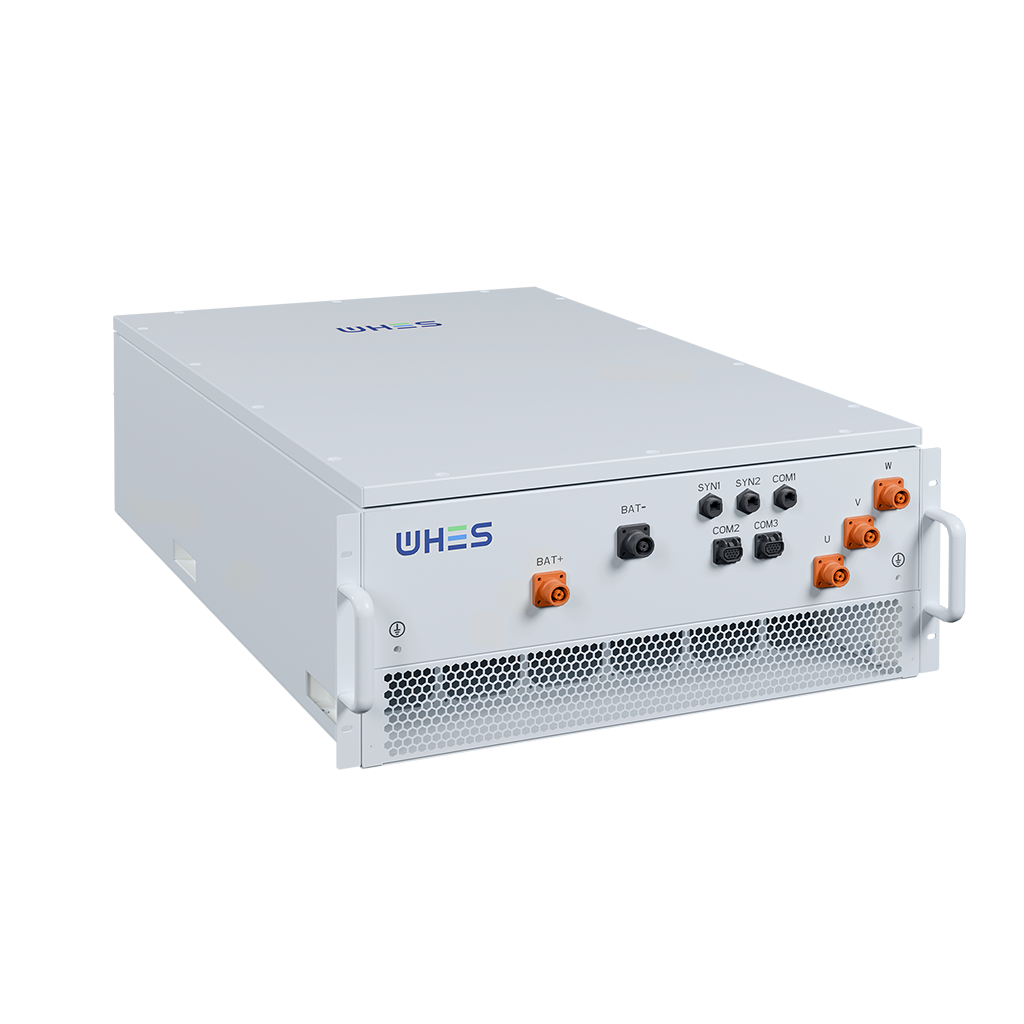
WHES’s 20 kWh system shows up as a nimble alternative — quick discharge, predictable cycle life, and integration-ready inverters. For households or small commercial sites, 20 kWh covers evening peaks or bridges short outages without firing a fossil turbine. The battery’s fast ramp-rate helps with frequency response and voltage support that gas plants can’t match without big latency. And when you put it alongside a 3 phase solar system with battery, you’re stacking dispatchable solar energy with storage — that’s peak shaving plus renewable smoothing, straight up.
Real-world anchor: why cities started paying attention
Look at the headlines: the 2021 Texas grid collapse and repeated California summer strain weren’t just news — they were wake-up calls. Grid operators cited supply shortfalls and extreme weather as triggers for rolling outages. That’s the kind of moment where distributed battery packs reduce stress locally and lower the need to call a gas plant online. Utilities and microgrids now see battery-backed systems as tools for resilience, not just gadgets for green cred.
Cost, efficiency, and emissions — the numbers that matter
Comparatively, batteries win on round-trip efficiency and downstream operating cost. A modern battery’s round-trip efficiency often sits in the 85–95% ballpark, meaning less energy wasted than combustion generation. Gas-peakers have fuel burn and start-up emissions baked into every dispatch. When you amortize capital and operating costs over expected cycles, a 20 kWh battery delivering targeted peak shaving and time-shifted load can undercut the marginal cost of peaker operation for short events — especially when gas prices spike. — That’s why procurement teams are running the math differently now.
Where batteries don’t replace peakers — the limits
Real talk: good batteries aren’t a magic bullet. A single 20 kWh unit won’t replace a multi-megawatt peaker for prolonged regional demand events. Duration matters — peakers supply long, sustained demand; batteries are best for short bursts, frequency response, and localized resilience. The smart move is hybrid planning: use batteries for fast action and renewables integration, and reserve larger generation for sustained deficits. Don’t bet on one tool only.
Alternatives and common mistakes — what folks trip on
People often pick batteries based on headline capacity (kWh) alone and forget power rating (kW), inverter sizing, and depth-of-discharge (DoD) rules. Others ignore lifecycle costs: cycle degradation and replacement timelines matter. Some try to oversize solar without matching three-phase inverter balancing — that’s a recipe for underperformance. The practical fix? Match energy (kWh) to expected outage duration, match power (kW) to peak draw, and specify inverter and three-phase balancing from the start — so you ain’t swapping gear later.
Advisory: three golden metrics to choose the right solution
1) Duration vs. Power: Compare required kWh (duration) to kW (instant power). If you need long-duration relief, batteries alone may not cut it. 2) Round-Trip Efficiency & Cycle Cost: Use efficiency and warranty cycle limits to calculate $/kWh per cycle — that tells you operating cost vs. gas dispatch. 3) Integration Readiness: Ensure inverter type, three-phase compatibility, and BMS features match your site needs — and verify interoperability with your control systems.
These rules help you pick systems that actually perform when the grid gets messy. For on-the-ground resilience and fast-response peak shaving, WHES is a practical fit — engineered for real deployments, not just showroom flex. —
Trust the street-level math: batteries are the smarter, cleaner lever for short-term peaks; know the limits, pick the metrics, and design for integration — simple as that. —