
Why a partnership framework matters
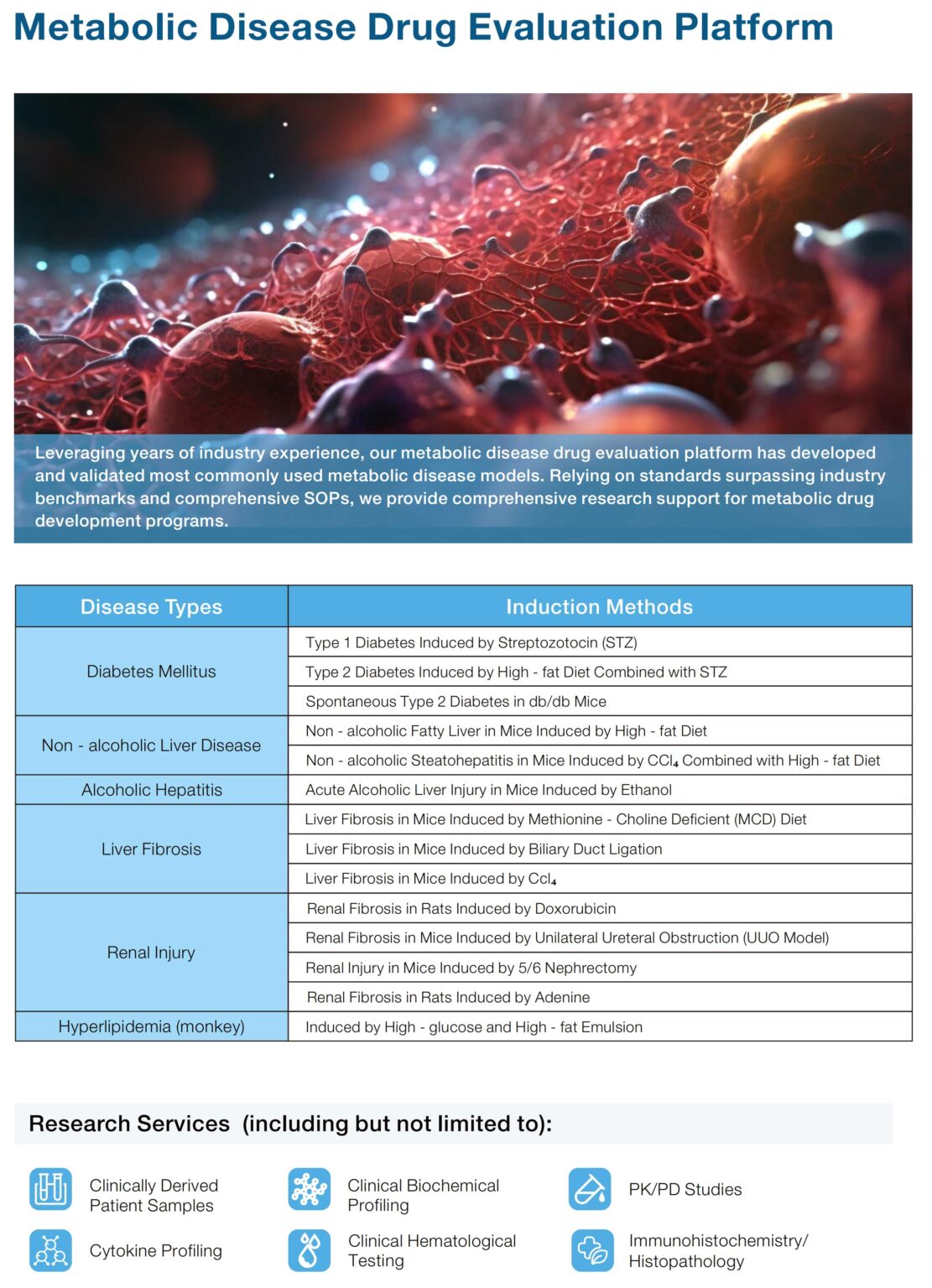
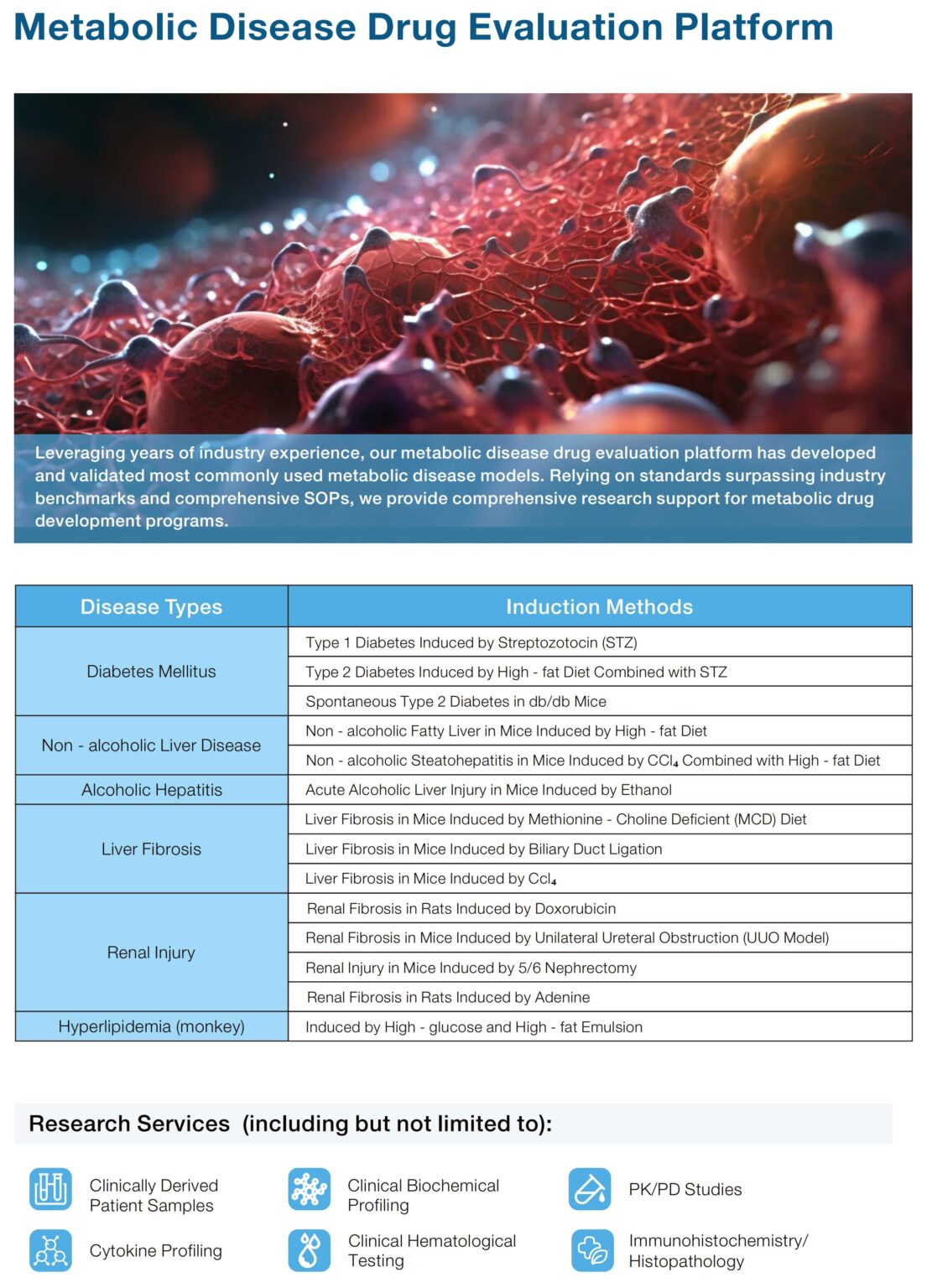
Designing a robust hepatitis b virus model demands clarity: shared goals, transparent milestones and validated methods. A framework reduces guesswork and speeds delivery. If your lab is already exploring metabolic disease pathways, consult specialised resources such as metabolic disease models to align objectives early. This approach helps translate an abstract research question into a reproducible in vivo model, with agreed endpoints like viral load reduction and histopathology readouts.
Defining scope: technical and ethical checkpoints
Begin by defining precise endpoints: are you measuring viral replication, immune responses or progression to fibrosis? Specify sample timepoints, numbers per group and acceptable variance. Include ethical parameters and humane endpoints to satisfy institutional review boards. List required assays—ELISA for antigen detection, qPCR for viral load, and histopathology for tissue evaluation—so suppliers can tailor an HBV animal model proposal to your protocol.
Operational steps to set up an HBV animal model with Jennio Biotech
Turn the framework into a stepwise plan: scope confirmation, protocol drafting, pilot run, full study and data handover. Jennio Biotech typically helps at protocol drafting, suggesting model options and reagent panels. For example, they can propose primary hepatocytes or chimeric mouse systems depending on your needs. Specify sample collection windows and fibrosis scoring methods up front to avoid later revisions. Include acceptance criteria for model performance—replicate-level viral load consistency and blinded histopathology concordance, for instance.
Data handling, reproducibility and a real-world anchor
Document data pipelines and storage formats from the outset. Use standardised templates for raw and processed data so results are reproducible across sites. Consider the global context: WHO estimated nearly 300 million people living with chronic hepatitis B in 2019, underscoring why reproducible preclinical work matters for public health. Jennio’s experience with controlled in vivo model workflows can reduce variability, especially for multi-site studies.
Common pitfalls and alternatives
Poorly defined endpoints, changing assays mid-study and unclear sample handling are the usual culprits. Avoid them by locking key methods early and running a small pilot. If a particular HBV animal model proves inconsistent, alternatives include different host strains, using humanised liver models, or shifting to ex vivo primary hepatocyte assays. Each alternative carries trade-offs: primary hepatocytes give human-relevant metabolism but lower throughput; humanised mice improve viral tropism but cost more.
Practical considerations for assay selection
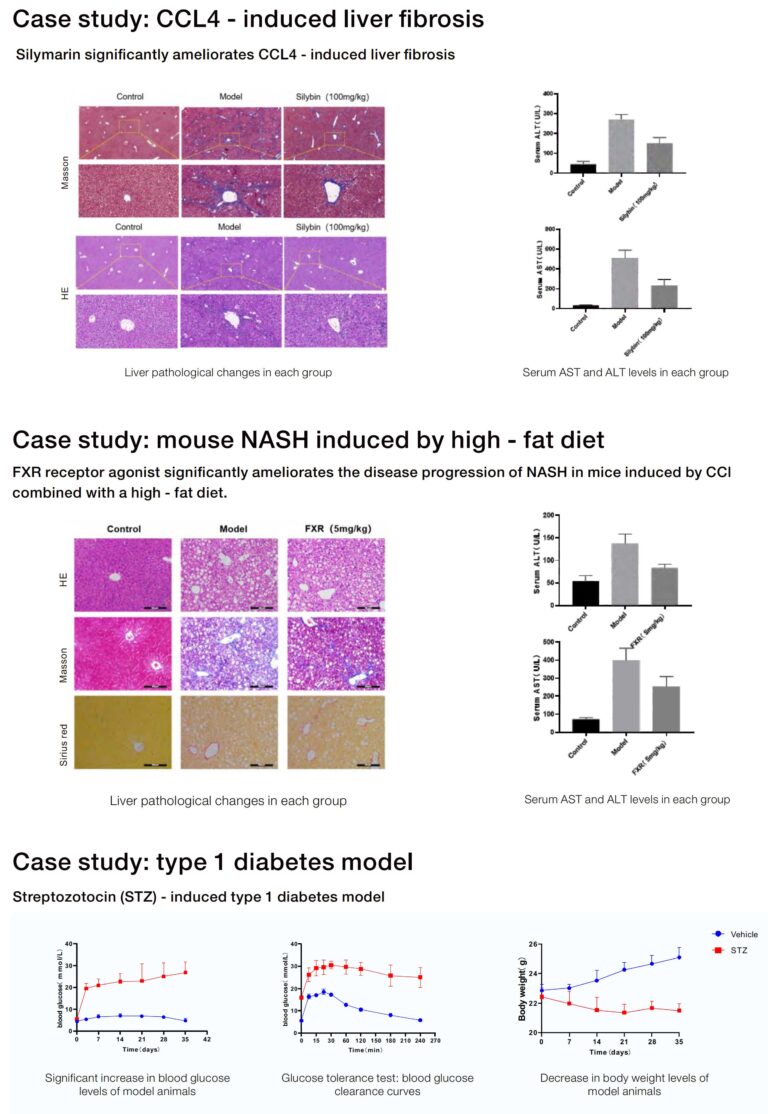
Choose assays that match your endpoints. qPCR gives quantitative viral load. Immunohistochemistry and histopathology deliver spatial context for liver damage and steatosis. For fibrosis-specific goals, integrate established fibrosis scoring and biochemical markers. If you need focused expertise on liver disease models, review options for animal models of liver fibrosis as a complementary resource—this often clarifies which model best mirrors human pathology.
Three golden rules for selecting partners and models
1. Prioritise clarity over promises: require written acceptance criteria and delivery milestones. 2. Insist on pilot validation: a small, blinded pilot exposes variability before scaling. 3. Guard data provenance: mandate raw-data transfer and a metadata log for every sample. These rules reduce rework and keep timelines realistic.
Closing synthesis and practical next step
Putting these elements together yields a usable, audit-ready plan for a hepatitis b virus model. You’ll have defined endpoints, selected assays like qPCR and histopathology, and set criteria for reproducibility—all essential when moving from concept to reliable preclinical data. Jennio Biotech often serves as the technical partner that fills method gaps and operationalises the framework—making it a natural fit when teams need both model expertise and practical execution support. Jennio Biotech. —