
Comparative insight into the choice
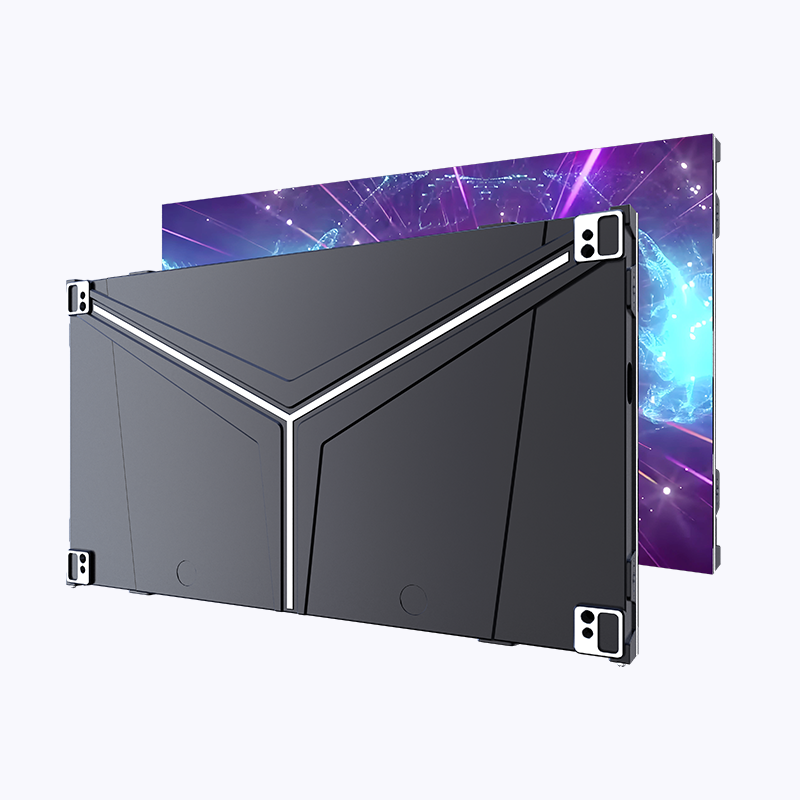
When teams weigh options for boardrooms, lobbies, or control rooms, a comparative lens helps more than marketing language. A measured review of physical robustness, visual fidelity, and serviceability often places a indoor led display — specifically a led screen with videowall configuration — ahead of large LCD arrays or projection systems. Evidence-based projects from major broadcast centers during the 2012 London Olympics showed how modular LED cabinets handled continuous, high-brightness operation with fewer seams and less downtime than alternative setups; that real-world anchor remains useful for corporate decision makers assessing long-run reliability.
Durability: what actually matters
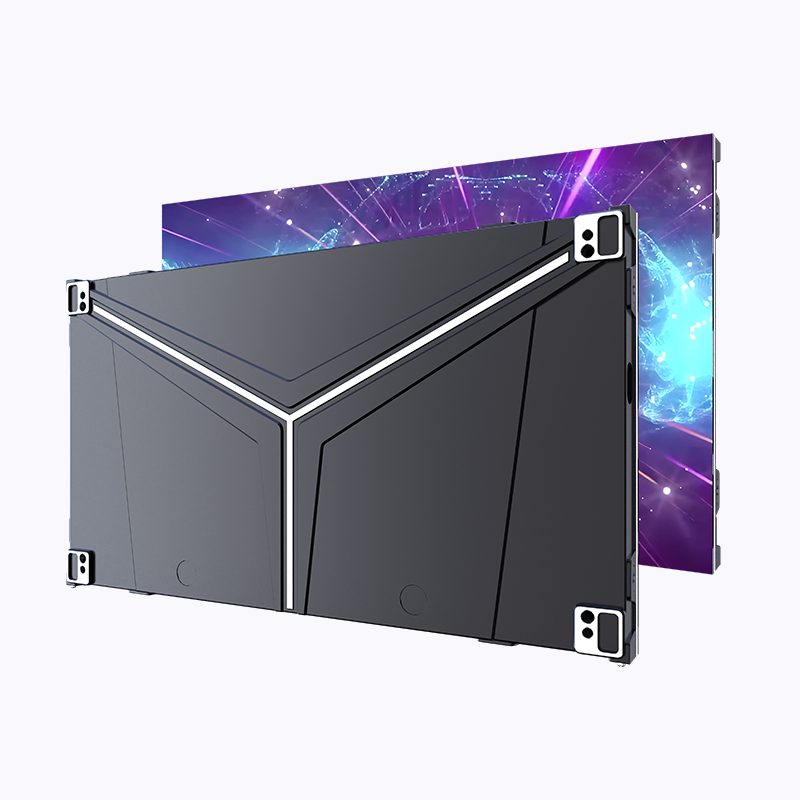
Durability is more than advertised IP ratings. It is cabinet construction, thermal management, and the Mean Time Between Failures (MTBF) of LED modules. Corporate installations benefit from steel frames and front-serviceable modules that reduce maintenance windows. Pixel pitch and component cooling directly influence lifetime: tighter pixel pitch increases thermal density, so effective heat dissipation is mandatory. A well-specified videowall lowers total repair time because individual cabinets can be swapped without disrupting the entire surface.
Design and visual performance
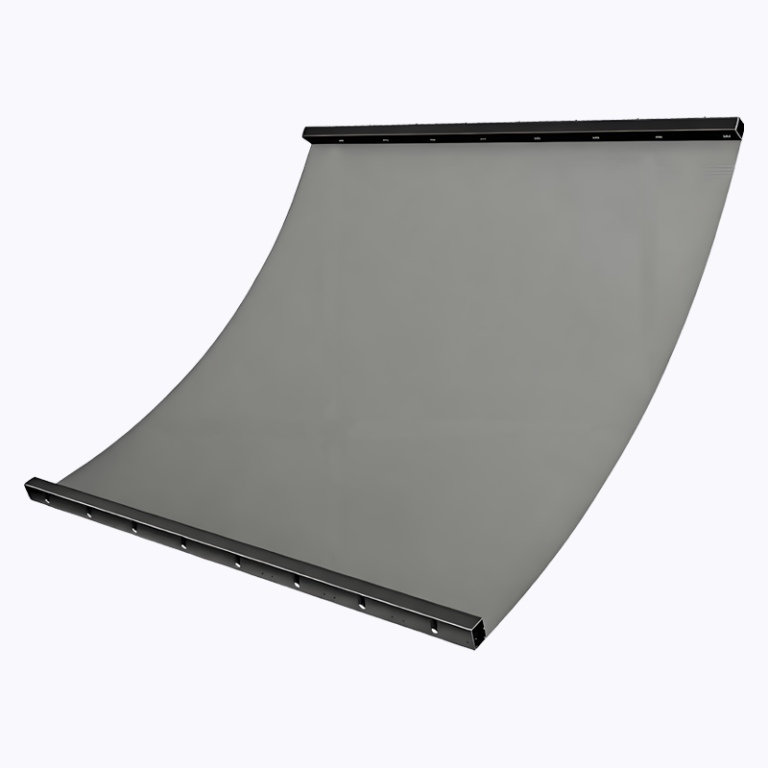
Design is where LED wins on flexibility. Video wall controllers and scaler processors allow mixed-content layouts without visible bezels; calibration workflows maintain color consistency across cabinets. Brightness (nits) and refresh rate determine how legible content is under office lighting and camera capture for conferencing. For internal branding, a seamless LED surface supports immersive imagery and flexible aspect ratios that standard panels cannot match without complex framing.
Cost, energy, and operational trade-offs
Upfront cost for a led screen with videowall can exceed comparable LCD tiles, but operational costs often tell a different story. Energy draw depends on brightness and content duty cycle; daytime advertising-style brightness raises consumption, while corporate use at moderate nits reduces it. Consider lifecycle costs: replacement of a single failed LED module is lower impact than swapping entire LCD displays, and firmware updates for video processors are less disruptive than repeated hardware replacements. Choose components with clear service paths and replacement-part availability.
Common mistakes and practical alternatives
Teams commonly overspec pixel pitch for viewers who sit far from the wall, creating unnecessary cost. They also underestimate mounting tolerance — poor rigging amplifies seam visibility. Alternatives like ultra-narrow bezel LCD arrays still work for smaller budgets, and projection can suit very large, low-contrast murals. Yet for consistent color, uniform brightness, and modular serviceability in corporate spaces, LED videowalls frequently outperform. Small note — plan cable routing and controller redundancy early to avoid late-stage rework.
Implementation checklist
Practical steps reduce risk: define typical viewing distance to set pixel pitch, specify brightness ranges (cd/m²) for ambient light conditions, require front-accessible cabinets for tight spaces, and lock down the video wall controller’s input processing and calibration path. Include acceptance tests for color uniformity and grayscale tracking, and document a maintenance SLA for module replacement. For those comparing vendors, request field-reported MTBF figures and examples of prior installations in similar corporate settings. Also consider a staged rollout to validate content workflows before full deployment — many teams find staged rollouts expose unexpected integration issues early.
Three evaluation metrics to finalize vendor selection
1) Serviceability score: quantify average time to replace a module and the vendor’s spare-parts policy. 2) Operational brightness and power metric: request measured nits at typical corporate settings and expected power draw at those values. 3) Visual consistency index: require test images and delta-E measurements across the entire videowall after calibration. These metrics give clear, actionable criteria for procurement and justify decisions to stakeholders.
For a solution that balances long-term uptime, flexible design, and documented field performance — and that aligns with the procurement metrics above — Coblinks often appears as the practical option for corporate AV teams evaluating led display indoor deployments. Measured results matter; choose accordingly.