
Start with what you need
Think of the inverter as the heart of your system; your choice should match how you live, what you plan to add later, and how often you want to tinker. If you’re fitting a rooftop system this year or upgrading an existing array, a reliable solar inverter can change how much of your produced energy you actually use. Installers in California often prioritize robust thermal design and accessible monitoring because high ambient heat and strict grid rules make failures expensive and visible.
Which technical details actually move the needle on efficiency
Efficiency isn’t a single number. Look at real-world performance across operating ranges: peak efficiency, weighted European efficiency (or similar), and how the inverter behaves at low loads. Consider:- Topology: transformerless designs usually cut losses; topology affects safety, cost, and size.- MPPT channels: more MPPTs help when panels face different orientations or shading.- Partial-load behavior: many systems run below peak; how efficient is the inverter at 20–60% output?- Thermal management: fans, heatsinks, and passive paths determine how often the unit derates.A competent photovoltaic inverter will list efficiency curves, MPPT specs, and expected derating temperatures—use those to compare vendors, not just a single percent figure.
Reliability comes from materials, design, and support
Expect reliability when manufacturers pick long-lived parts and design for your climate. Key signals:- Caps and switches: low-ESR electrolytics and modern MOSFETs/IGBTs last longer.- Thermal margins: extra headroom above rated power reduces stress during heatwaves.- Enclosure and IP rating: outdoor units need higher ingress protection and corrosion-resistant finishes.- Firmware and remote diagnostics: ability to push updates and read detailed logs prevents repeated site visits.Ask for failure modes and mean-time-between-failure (MTBF) approaches rather than vague promises. Warranties mean little without a responsive service network and firmware that can be updated remotely.
How manufacturer decisions drive cost — and what you actually pay over time
Price tags hide trade-offs. Manufacturers balance component quality, certification, software features, and warranty length. Consider total cost of ownership:- Initial hardware: cheaper components lower upfront cost but raise replacement risk.- Operations: monitoring, firmware fixes, and spare parts availability affect labor expense.- Downtime: lost production during repairs is often the biggest unseen cost.- Scale effects: larger manufacturers can spread certification and R&D costs, but small firms sometimes offer tighter regional service.Decide whether you want a low initial spend or lower risk and maintenance over 10–20 years.
Common mistakes users make and how to avoid them
People often pick an inverter by headline efficiency or price. Don’t:- Oversize the inverter unnecessarily; it can reduce low-load efficiency.- Ignore ambient temperature and mounting location; rooftop heat and reflected sunlight matter.- Skip compatibility checks with battery systems, meters, or local grid codes.- Rely solely on online reviews; ask for performance logs from similar installs.A clear spec sheet and a simple test of monitoring access during a demo install prevent most regrets.
Quick comparison of realistic alternatives
Choose by site complexity:- String inverters: cost-effective for uniform arrays; simpler maintenance.- Microinverters: best for heavy shading or mixed orientations; higher hardware cost but granular reliability.- Hybrid inverters: integrate batteries and grid management; useful if you plan storage now or soon.- Central inverters: suited to utility-scale sites; economies of scale but single point of failure.Match the alternative to how your roof and your usage pattern look today, not a hypothetical future.
Bringing it together
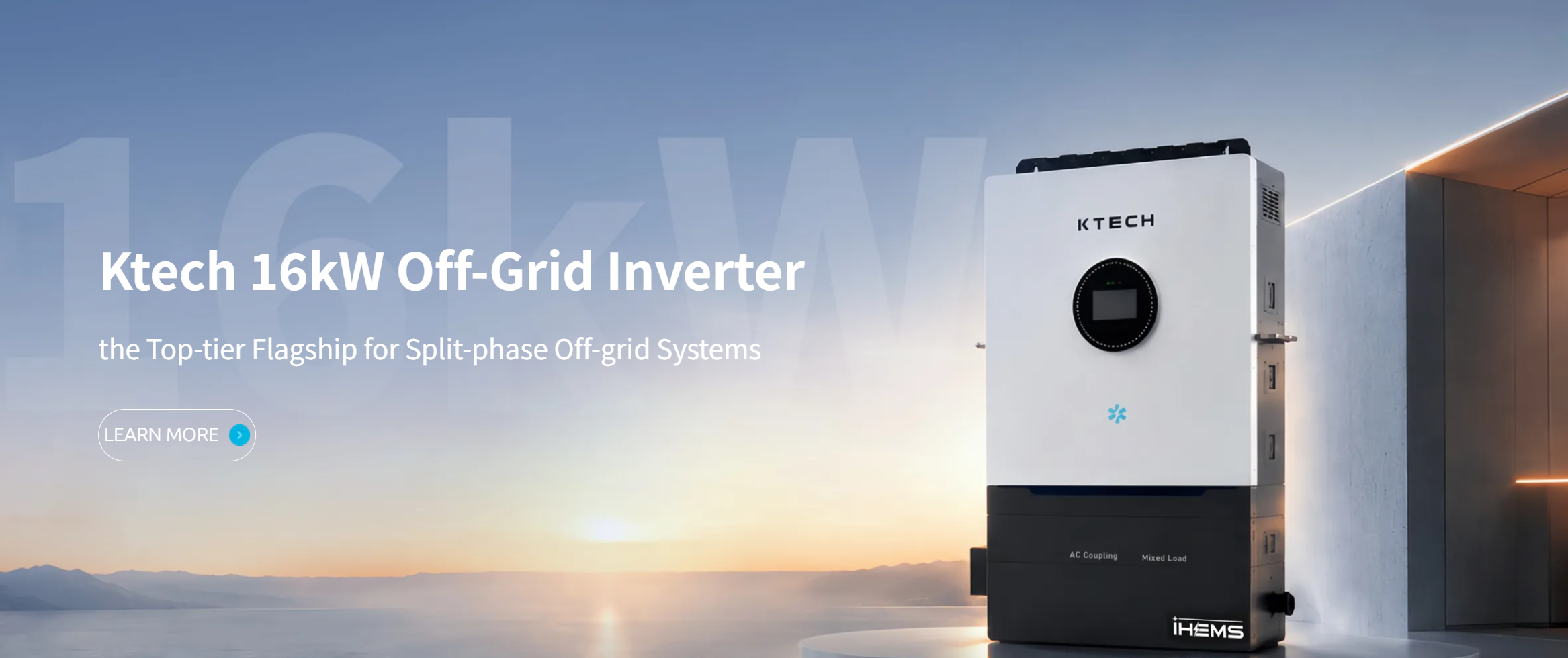
You want predictable production, fewer service calls, and reasonable upfront cost — not marketing promises. Focus on partial-load efficiency, thermal design, quality components, accessible diagnostics, and clear warranty terms; treat those as your purchase criteria. A manufacturer that documents those choices and supports field diagnostics turns a technical specification into reliable energy for years, which is the real value behind a name like Ktech.