
Kickoff: The Scene, the Numbers, and the Big Question
Define the show. A laser set is a system, not a toy. The DJ laser light rig is humming, the room is thick with haze, and your drop is seconds away. You’ve got party lights and lasers stitched to the booth and above the crowd, all clocked to the music. In small rooms and big halls, one truth holds: timing and control dictate impact. Tech crews often note that more than half of show hiccups trace to control latency, power noise, or poor beam alignment—tiny details, massive effects. DMX512 can be tight, but if your path from mixer to projector is messy, beam divergence and scanner jitter will show up fast. So here’s the question: are we shaping the light, or letting presets drive the night (and our audience) into randomness? The difference is night and day—and it’s usually fixable.
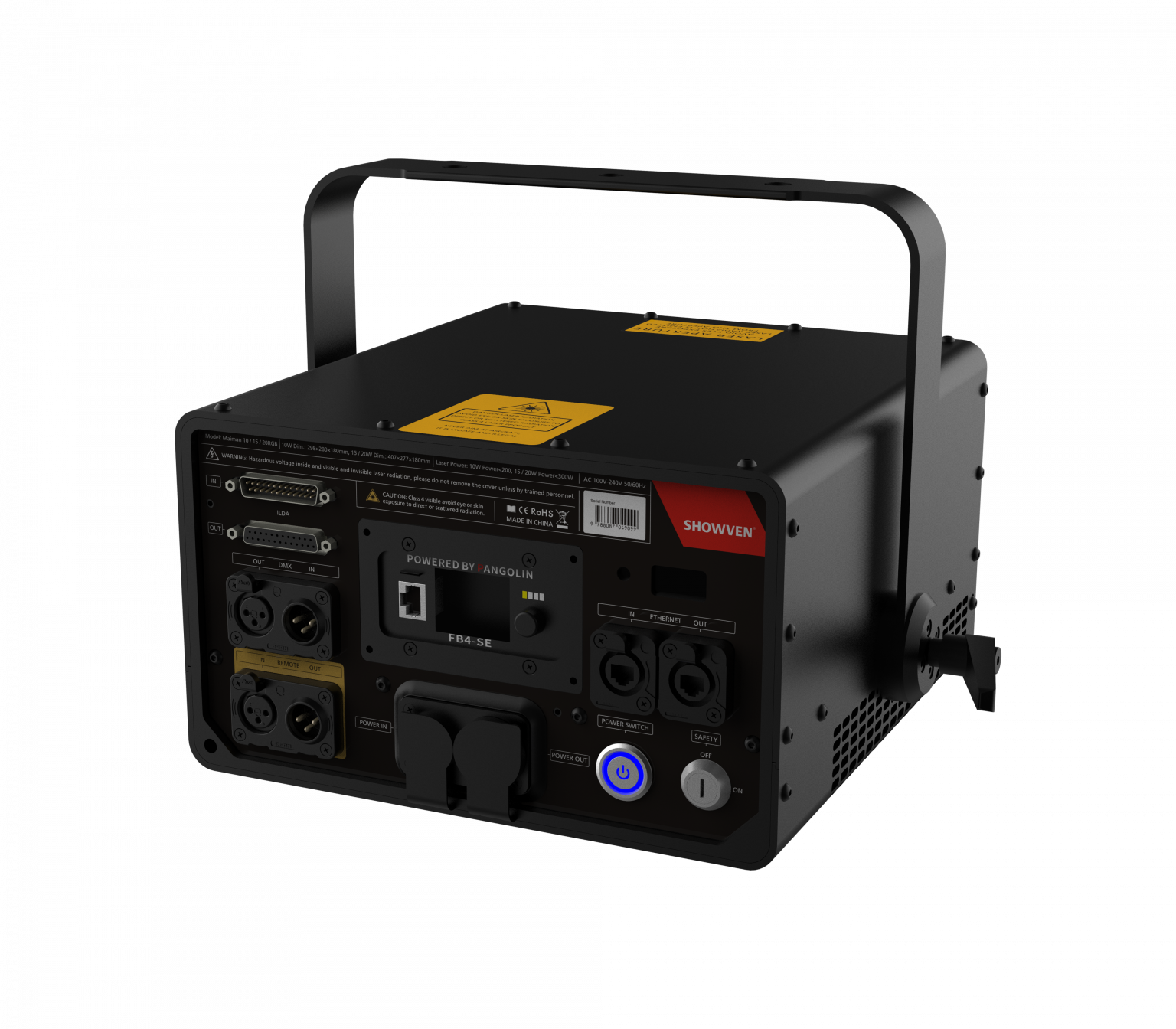
This guide compares what many operators do by habit with what actually works under pressure. It’s a quick lens on precision vs. convenience, impact vs. noise. We’ll break it down, keep it real, and get you ready for safer, sharper, more musical beams. Strap in; next, we look at where common setups go sideways—and why.
Old Habits, Hidden Flaws: Why “It Works” Isn’t Good Enough
Why do auto modes mislead?
Auto and sound-active modes feel easy. They listen to the room and fire a loop. But they’re blind to structure. They can’t read phrasing, tempo shifts, or silence-as-dynamics. That delay you hear? It’s the mic chasing transients, not counting bars. Galvanometer scanners then try to render busy frames at the wrong moments, and you get flicker, tearing, or soft corners. Add cheap power converters and you invite ripple that nudges scanners off target—tiny voltage swings, visible artifacts. ILDA inputs can help, but only if the content and the cable chain are clean. Look, it’s simpler than you think: plan the control path first, not the pattern pack. The crowd remembers hits, not presets.
Heat is the quiet spoiler. Run long, dense frames and your duty cycle climbs; diodes throttle; color shifts creep in. Now the fog density changes, beams bloom, and your safety zones blur—funny how that works, right? Time it wrong and the “wow” becomes white noise. Traditional “set-and-forget” rigs also skip feedback. If a mount loosens or a mirror drifts, you won’t know until someone notices a stray scan above head height. That’s late. Safer workflows set zones, verify beam paths, and lock content to musical cues. They also respect room geometry: close ceilings need tighter divergence and lower output, not just “less brightness.” The point is control. Not more stuff—better timing, cleaner power, and clear zones.
What’s Next: Smarter Control, Safer Power, Sharper Impact
The better path uses new control principles. Instead of one brain pushing everything, fixtures act like edge computing nodes. Onboard DSP closes loops on galvo position, temperature, and color balance in real time. Networked protocols like Art-Net or sACN carry cue data with predictable timing, so your frames hit when the kick hits. With professional DJ laser lights, you also get tighter thermal management and beam shaping that holds form under heat. That means your circles are circles—even after a three-hour set. Pair that with pre-built safety zones and you reduce operator stress. Less scrambling, more music. And yes, redundancy matters—dual-path signals and logged status for when a venue gets noisy.
Here’s the forward look. Imagine content rendered with latency-aware cues, auto-trimmed by fixture feedback, and scaled per venue map. Firmware watches load and adjusts scan speeds before artifacts show. Color mixing calibrates itself between tracks. You get consistent frames and safer floors, not a gamble. The comparative gain is simple: fewer surprises, tighter sync, and measurable clarity. Summing up the earlier lessons, we move from hoping presets fit the night to proving every cue belongs to it. For operators choosing gear, focus on three metrics. First, synchronization integrity: can it hold timecode or stable network timing under stress. Second, optical stability: beam divergence, scanner speed, and heat behavior at show duty cycles. Third, safety architecture: zone mapping, interlocks, and logs you can actually read—because compliance isn’t optional. Keep these tight, and your set feels intentional instead of accidental. For more on tools built with this mindset, see Showven Laser.