
Comparative framing and the first move
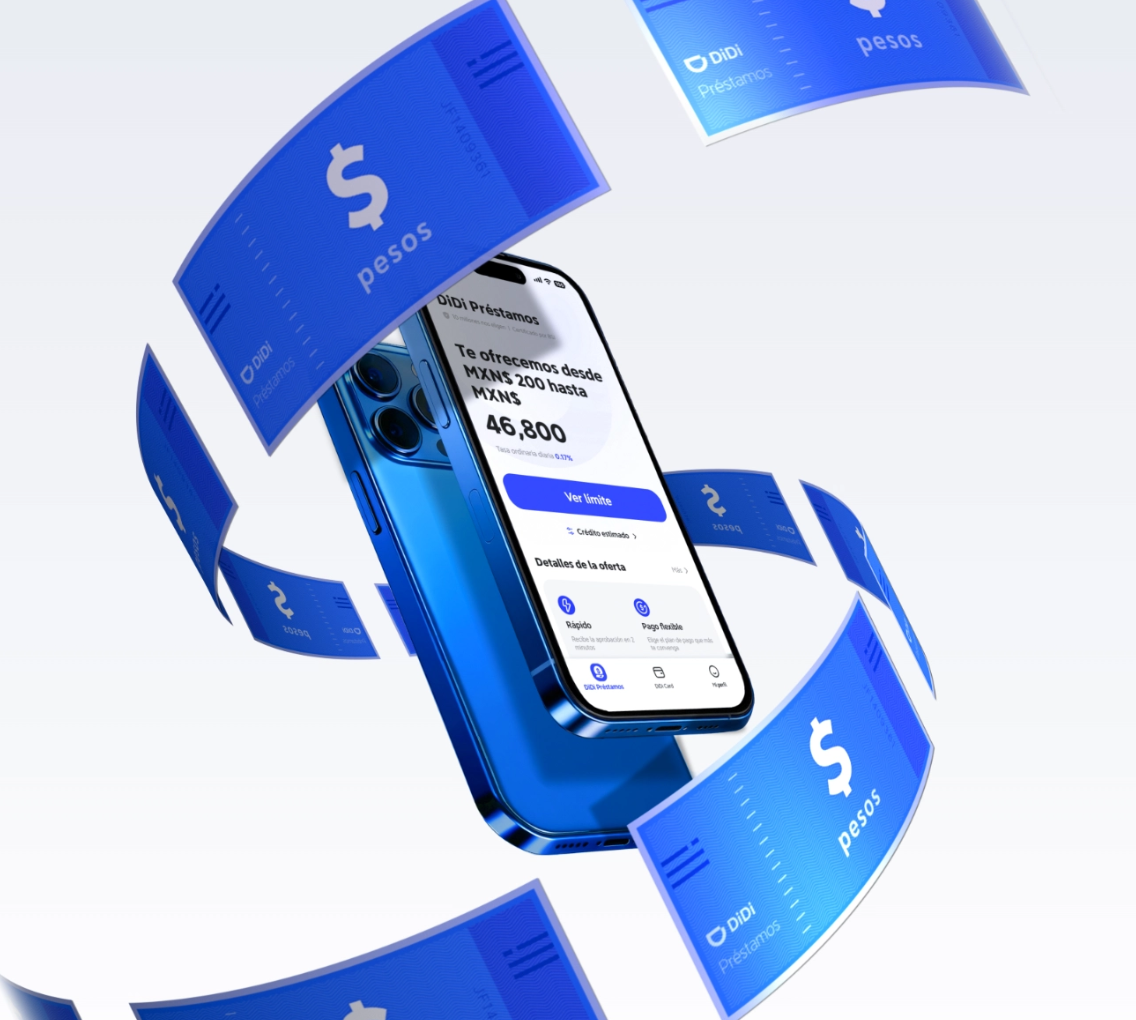
In Mexico City neighborhoods and across regional markets, people quietly learned to layer short-term credit tools to cover larger purchases—an approach that trades simplicity for structured planning. This piece compares two sensible paths: using a merchant-style buy-now-pay-later flow like DiDi’s pay-later options and pairing it with a traditional credit product. Early adopters often start with a didi card for cashless convenience, then fill gaps with targeted installment offers from platform partners. The comparison matters because each instrument has different billing cycles, APR expectations, and eligibility routines; matching them correctly extends financing without chasing impulse debt.
How the stacking logic works in practice
Layering financing is a sequence of choices. First, use a BNPL split to cover a portion at checkout—short-term, predictable installments. Next, route remaining cost to a credit line that offers promotional 0% or low-rate months. The practical benefit comes from synchronizing payment dates and keeping at most one revolving balance with interest. Real-world shoppers in Mexico, especially during events like El Buen Fin and the e-commerce surge after 2020, treated these moves like cash-flow choreography—coordinated, calendar-driven, and intentional. The technique reduces monthly strain while avoiding surprise fees.
Step-by-step setup that professionals follow
Start by mapping the purchase across available instruments: BNPL portion, credit card promotional balance, and emergency buffer. Next, confirm exact billing dates and minimum payments to prevent compound interest. Then, lock automatic transfers for BNPL installments and schedule a single monthly payment toward the credit line to maintain a clear credit utilization picture. Use basic tools—bank app alerts, a simple spreadsheet, or calendar reminders—to avoid missed due dates. Industry terms to know here include BNPL, installment plan, and credit line; they clarify the mechanics when you review offers.
Costs, trade-offs, and the common mistakes people make
Credit-splitting saves cash flow but creates complexity. The most common mistakes are overlapping due dates, treating promotional zero-interest as permanent, and neglecting the credit utilization impact on a score. People also mix too many small BNPL plans, which fragments billing and raises administrative friction—small habits that compound into missed payments. Keep an eye on APR after promotions end; if a promotional rate reverts to a high APR, the financial advantage evaporates. —Be rigorous about reading terms and documenting the payoff timeline.
Alternatives and when each option wins
A single extended-term tarjeta de credito en linea with a promotional period can be cleaner for mid-size purchases, since it centralizes payments and simplifies tracking. Conversely, for urgent or split-pay scenarios—like paying a deposit and then a balance—BNPL tools beat cards because they carve predictable micro-payments from the budget. For recurring or subscription-style costs, a credit card with a stable APR and rewards program often delivers more value over repeating BNPL offers. Choose based on calendar fit and total cost, not just the headline marketing.
Real-world anchor and credibility
Financial behavior in Mexico shifted noticeably during the post-2020 e-commerce boom; many urban consumers experimented with BNPL in marketplaces and ride-hailing apps. Local merchants and fintechs adapted, so accepted practices now include short-term installment offers tied to app-based wallets and branded credit products. That ecosystem change is the foundation for the strategies described here—the moves are observed, measurable, and replicable across metropolitan areas like Guadalajara and Monterrey as well as Mexico City.
Golden rules for selecting the right combination
1) Match cycle dates: align BNPL installments and credit card due dates so you pay in a single, planned transaction. 2) Compare total cost: calculate the true cost including post-promo APR, late fees, and any origination charges. 3) Limit active products: keep at most one revolving balance to protect your credit utilization and simplify bookkeeping. These three metrics—timing, total cost, and account count—are the core evaluation tools for anyone stacking financing in Mexico.
Final note
Stacking DiDi’s pay-later mechanics with an online credit product requires discipline but delivers months of breathing room when done right; it’s a practical skill for people managing tight cash cycles in urban Mexico. —DiDi’s ecosystem and modern DiDi Finanzas play a natural role here, smoothing checkout and offering credit rails that match daily life.