
Introduction — a short scene, a few numbers, and one honest question
I once walked onto a production floor where the team looked drained and the machines sounded tired. The line stopped three times that morning and morale dipped with every pause. In that space, wet wipe machinery felt like a stubborn problem we all understood but couldn’t easily fix. I’ve seen similar situations across sites: scrap rates nudging toward 6–8%, downtime climbing past scheduled windows, and customer returns that sting (we all remember that client call at 3 a.m.).
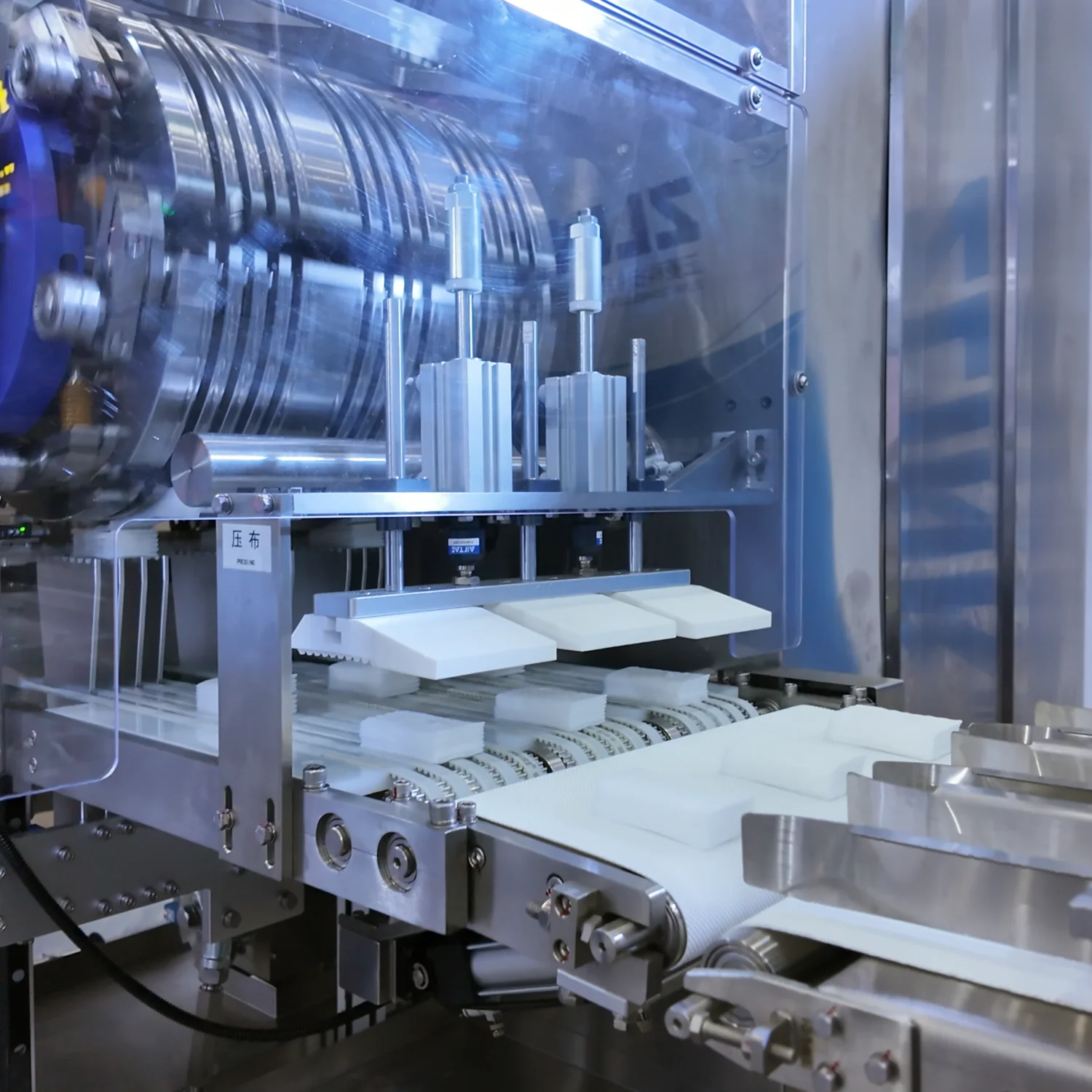
These moments tell a story with hard data — output falls, costs rise, and people get frustrated. So I ask: how do we turn that pain into steady, predictable performance without breaking the budget or losing the team? I’ll share what I’ve learned, and I’ll be frank about trade-offs and quick wins. — Let’s move into the core problems and why common fixes often miss the mark.
Part 2 — Where traditional fixes fail (technical lens)
custom wet wipe production line vendors often promise turnkey solutions. I’ve evaluated many of these offers and found the gap lies not in the machines alone, but in how they’re integrated with people and processes. The common approach is to stack a line with more automation — faster servo motors, a beefier PLC, and tighter heat sealing stations — then expect yield and uptime to follow. That can help, but it ignores real constraints like inconsistent feedstock, operator skill gaps, and maintenance backlogs. Look, it’s simpler than you think: more horsepower doesn’t fix a clogged input stage.
What’s the actual bottleneck?
When I dig in, I usually find one or two weak links: a cutting die misaligned by a few millimeters, a vision inspection system set with thresholds that are too strict or too loose, or poor roll-to-roll tension control that tears sheets under load. These are not glamorous problems. They are nitty-gritty issues that sap throughput. I’ve had teams replace an entire module only to discover the root cause was a failing power converter feeding intermittent voltage to a drive. The fix didn’t require a new machine — it required focused troubleshooting and better preventive checks. — funny how that works, right?
Part 3 — New principles to guide smarter upgrades (semi-formal, forward-looking)
custom wet wipe production line upgrades should center on principles, not buzzwords. I recommend three shifts: make components measurable, make interventions reversible, and make changes people-friendly. Measurable means adding simple sensors and edge computing nodes to collect real-time signals on tension, temperature, and cycle time. Reversible means modular designs so you can swap a unit without halting the whole line. People-friendly means training that focuses on diagnosis, not just operation. These principles reduce risk and help teams own the outcome. I’ve seen pilot cells go from chronic stoppage to steady output in under a month when these ideas are applied.
What to watch next
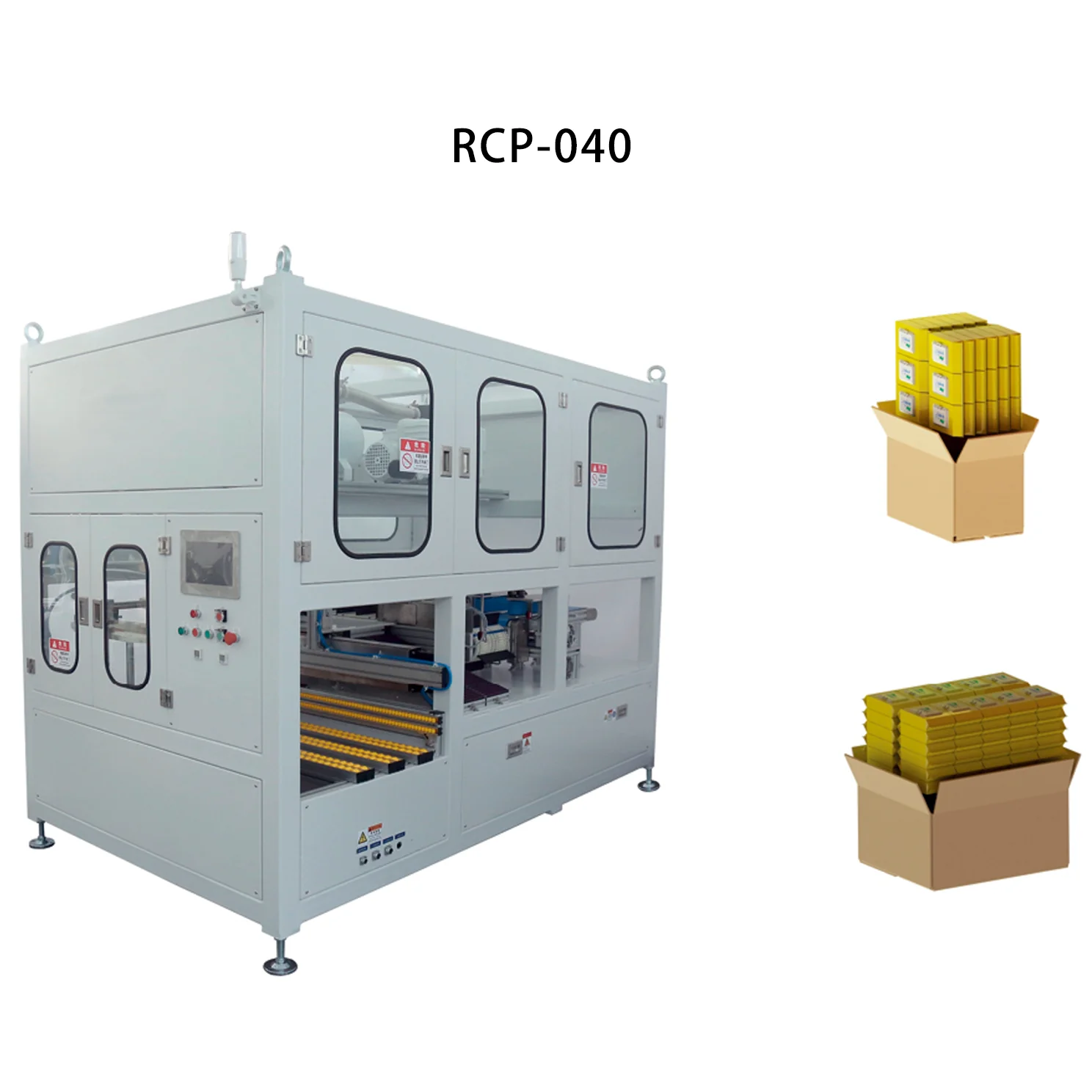
Practically, I advise focusing on three evaluation metrics when choosing upgrades: 1) Mean time to recover (how fast can you get the line back online?), 2) True yield improvement (net output after integration hiccups), and 3) Operator learning curve (how much training is needed to make the change stick?). Measure these before and after any retrofit. If a vendor can’t demonstrate improvements on those metrics, walk away. I say this because I’ve been burned by shiny demos that looked great on paper but failed under real shifts and raw production volumes.
To close, I’ll be direct: stop treating upgrades as a one-off purchase. Treat them as a staged program with clear metrics, short trials, and room to back out. That keeps cost down and morale up. If you need a partner who will work through the messy parts with you — the people, the spare parts, the unexpected snags — check practical options and then decide. I prefer choices grounded in measurable benefit and clear handover to the team. For reliable suppliers and deeper tech support, I recommend looking into specialists like ZLINK.