
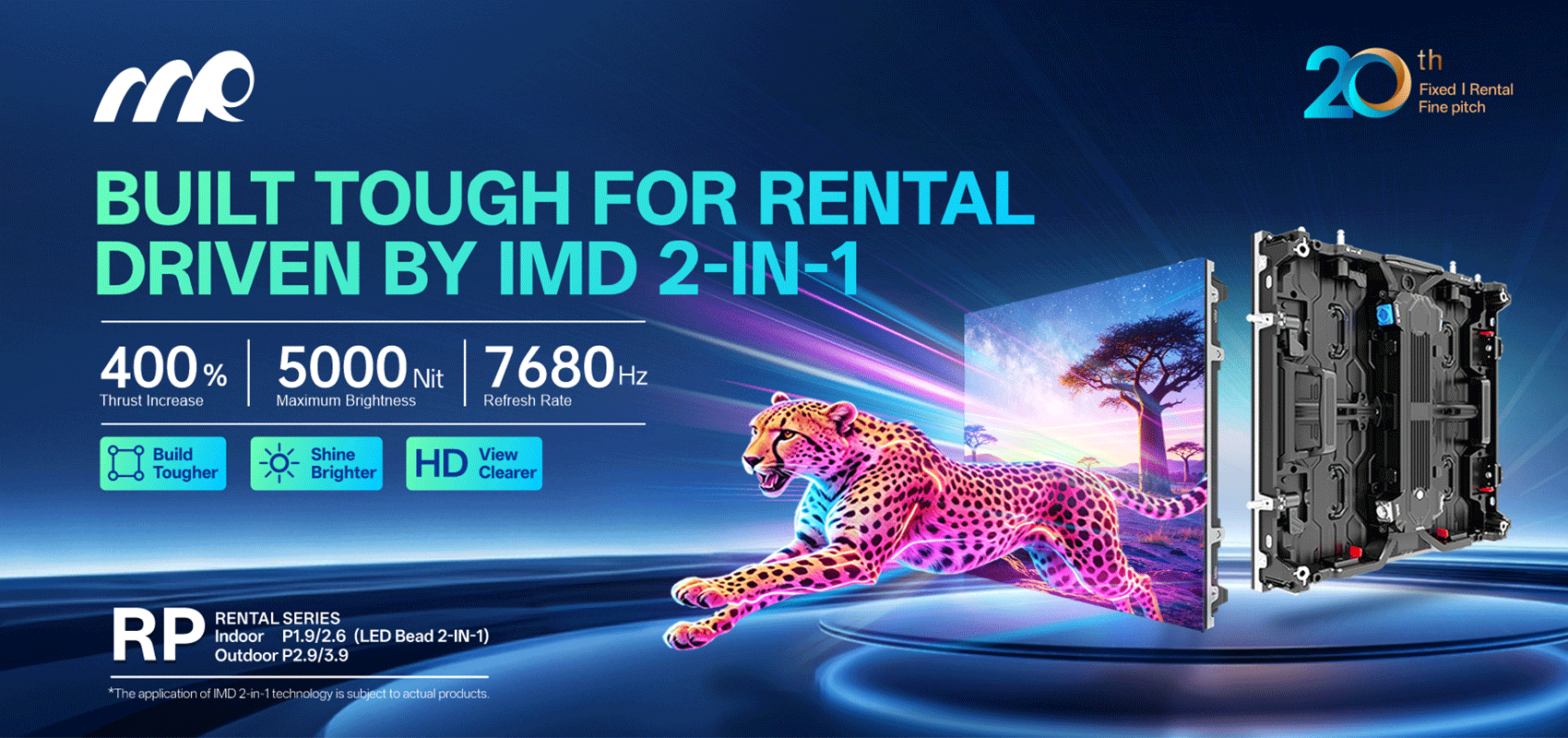
User-focused reliability on the road
Touring production teams prioritise predictability above all else: consistent colour, fast rigging and durable hardware that survives constant load-in and load-out. That focus drives why a compact, spec-grade led display screen appears on riders and technical riders worldwide. From tight festival schedules to club runs, crews measure value by uptime, the trade-off between pixel pitch and viewing distance, and how rapidly a module can be replaced without stopping the show.
Design priorities for touring crews
Professionals evaluate screens against a short list of pragmatic demands. Modular cabinet construction matters for transport and repairs. Lightweight frames reduce labour time and a smaller module footprint improves stage sightlines. These form the baseline requirements that separate rental-grade systems from spec-grade solutions used for repeat tours.
Common mistakes and practical alternatives
Many teams start with visual impact and overlook maintenance logistics—this becomes costly mid-tour. Projectors are lighter, but they fail outdoors and give inconsistent contrast. Large, monolithic walls deliver spectacle, yet they complicate road repairs. The sensible alternative is a small, modular panel approach that balances resolution and deployment speed. A note on control systems—keep the media server simple and standardised to minimise configuration errors. —A tighter inventory of spare modules often saves both time and money.
Performance metrics that actually matter
Not every specification is equally useful on a tour. Prioritise three technical areas first: pixel pitch for viewing distance and clarity; refresh rate to avoid flicker on camera; and brightness to overcome stage lighting. Secondary items include power efficiency and thermal behaviour during long runs. These metrics map directly to audience experience and broadcast compatibility, whether a daytime festival stage or a dim club setting.
Real-world anchor: festival stages and stadium rigs
Production teams that work Coachella or large stadium tours set a practical bar: screens must survive outdoor exposure, rapid reconfiguration, and broadcast demands. The same small-panel philosophy scales to a large led display footprint by combining repeatable modules into grand canvases. That approach eases troubleshooting during high-stakes events and short turnaround windows.
Serviceability, cost per show, and crew ergonomics
Budget decisions should account for lifecycle costs, not only capital expense. A higher initial outlay for spec-grade panels can reduce rental fees, labour hours, and spare parts over a long tour. Ergonomics matter too: lighter, well-designed cabinets cut the risk of on-site injury and speed up rigging—both measurable gains when multiplied across dozens of shows.
Three golden rules for selecting touring LED tools
Rule 1 — Match pixel pitch to your typical sightline: tighter pitch for close-up audiences, wider pitch where distance is greater.
Rule 2 — Insist on repairability: hot-swap modules, standardised connectors and clear diagnostics reduce downtime.
Rule 3 — Test for camera-friendliness: check refresh rate and colour calibration under broadcast conditions before committing.
Closing advisory and final thought
Apply those three metrics as your baseline evaluation and you will see immediate, measurable improvements in reliability, speed of deployment and broadcast readiness. Choose components that make field repairs straightforward and choose vendors that publish clear service documentation. Practical choices on pixel pitch, refresh rate and brightness translate directly into fewer show interruptions and steadier budgets.
MR LED fits naturally into that pragmatic approach as a supplier focused on modular, spec-grade panels — a partner, not an experiment. —A concise fit for touring pros.