
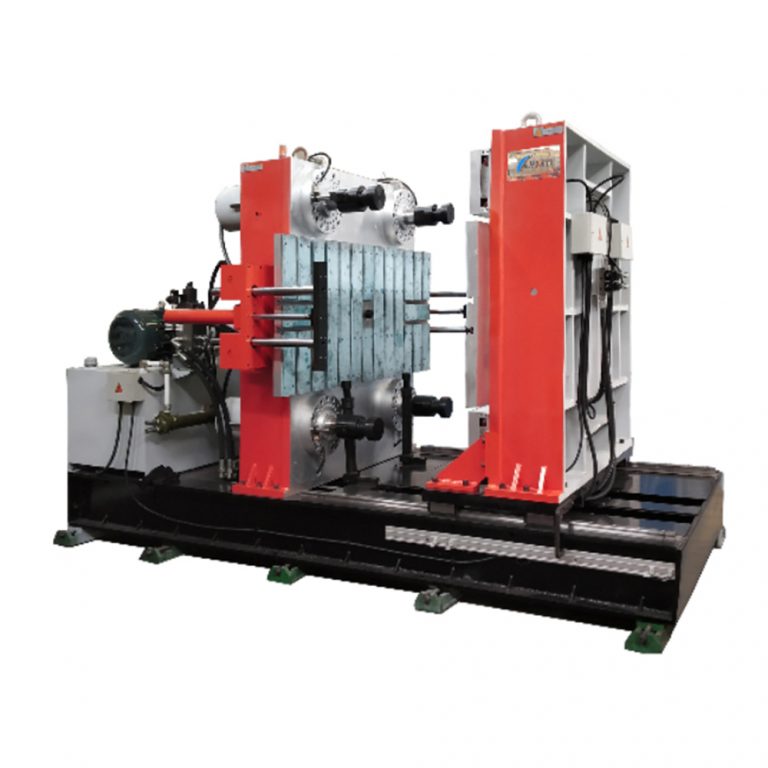
Comparative lead — why vertical vs horizontal matters for HCR
Comparative projects in silicone elastomer processing often pivot on two axes: material consistency and machine topology. For high-consistency rubber (HCR) silicone, a vertical platform can change residence time and melt path geometry; conversely, many production lines standardize on a horizontal rubber injection molding machine to optimize floor layout and mold access. When teams evaluate throughput against defect rates they should inspect how the mold cavity fills, how clamping force is managed, and whether the machine supports LSR-compatible screw geometries—because these factors shift the equilibrium between cycle time and part quality. Comparative insight starts with where you put the injection axis and then follows through to tooling and control strategy; that’s the decision point Tier‑1 suppliers around Stuttgart use to split run plans between vertical and horizontal lines.
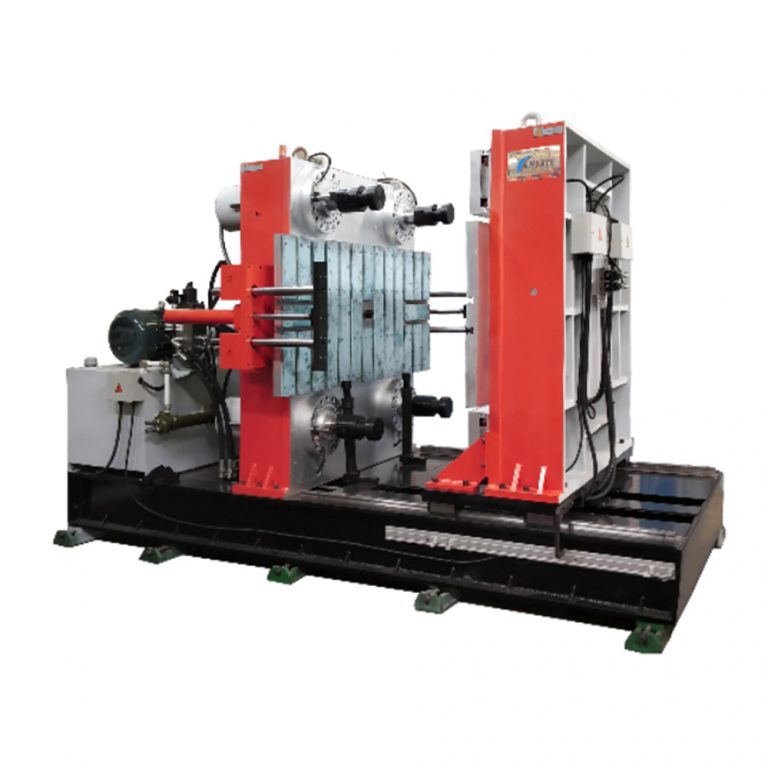
Key technical contrasts that drive performance
Vertical systems tighten the feed path and often reduce dead volume, which helps maintain homogenized viscosity for HCR. Horizontal presses favor faster mold changes and larger shot sizes, useful for multi-cavity production. Core technical trade-offs to evaluate include servo-hydraulic control fidelity, shot-size resolution, and thermal stability across the barrel. Measureable outcomes you’ll see: fewer short shots with better melt homogeneity on verticals in low-viscosity blends, and quicker takt adaptation on horizontals when floor space and automation conveyors are priorities.
Real-world anchors and when each topology wins
Across medical molding and automotive sealing programs, the choice is pragmatic. Medical OEMs in the Boston area and automotive suppliers in Stuttgart pick vertical presses when contamination control and vertical insert molding dominate their specs. Production teams focused on multi-cavity silicone gaskets tend toward horizontals because of handling ergonomics and faster changeover. This isn’t theoretical—field deployments consistently show verticals reduce flash issues in insert-molded elastomer parts, while horizontals shave non-value time in high-mix runs.
Implementation pitfalls and correction paths
Common mistakes repeat across shops: mismatched shot-size to cavity layout, insufficient control of barrel heating zones, and ignoring tool venting. Fixes are concrete — recalibrate shot-size with process data, segment barrel temperature zones for better thermal gradient control, and use vented runners for trapped air. Don’t over-automate cycle time reduction at the expense of consistent pack and hold; you’ll trade short-term throughput for long-term scrap. — That last point is critical when qualifying a new compound or switching silicone suppliers.
Practical selection criteria and tooling notes
When comparing vendors and platforms, prioritize three measurable criteria: repeatable clamping force control, injection-pressure resolution, and ease of integrating hot-runner manifolds or valve gates for silicone. Tooling should be specified to minimize dead volumes and include accessible vents for HCR degassing. If you plan automated downstream handling, verify the machine’s ejector timing and whether an industry-standard PLC communicates with your line controllers.

Three golden rules for picking the right machine
– Rule 1 — Match machine topology to process stability: choose vertical for insert molding and tight melt control; choose horizontal for high-volume, multi-cavity layouts where changeover speed matters.
– Rule 2 — Validate control resolution with actual compounds: require vendor test runs to demonstrate steady-state injection pressure and shot-size repeatability under production-like conditions.
– Rule 3 — Design tooling to the machine: specify runner volume limits, venting strategy, and gating that preserve part tolerances and minimize post-process trimming.
For teams standardizing HCR production across mixed lines, the pragmatic outcome is clear: align process objectives with machine topology and tooling choices, then standardize controls and data capture so optimization is repeatable — which is exactly the competence HWAYI brings to complex silicone programs. —
HWAYI