
Why the hinge pin decision matters for intake conveyors
Choosing the right hinge pin changes how an intake line behaves under real load and grime. For intake conveyors at ports and mills, a single wrong pin type shortens life, raises downtime, and makes maintenance teams sigh—especially sa atin in the Philippines where humid salt air speeds corrosion. Early on, many teams swap out a simple conveyor belt hinge pin for a cheaper fastener and regret it within months because of pin retention and alignment issues. Pivot point geometry and bearing clearance quietly dictate wear patterns; get them wrong and the whole belt tracks badly.

Comparing 14 common hinge-pin and fastening setups
I reviewed a set of 14 typical configurations used in intake applications: solid pins, split pins, cotter pins, snap rings, quick-release clevis pins, keyed pins, headed pins, tapered pins, welded pins, riveted assemblies, polymer-sleeved pins, stainless options, coated steel, and hybrid fasteners. Each setup trades off ease of service vs. load rating, corrosion resistance, and contamination tolerance. Solid headed pins score high for tensile strength and alignment but demand more downtime to replace. Snap and quick-release systems cut service time, yet some struggle with lateral load. Polymer sleeves can reduce noise and scuffing—mabuti for quieter lines—but they wear faster under abrasive intake materials.
Operational teardown: what to watch for on the production floor
A practical teardown focuses on four areas: pin wear at the contact face, bushing or sleeve condition, mating hole ovalization, and any signs of fretting corrosion. When technicians strip a hinge assembly, they should log pin diameter loss and compare to original tolerance. This is where both stainless steel hinge pins and a standard conveyor belt hinge pin surface finish show their value—stainless often resists pitting near marine intakes while finished carbon steel can pick up rust. Keep records of tensile strength tests and field torque checks; such metrics reveal recurring failure modes before they cascade into downtime.
Common mistakes installers and specifiers make
Most mistakes are straightforward: overspecifying for ultimate strength while ignoring pin retention methods, or undersizing pins based on static load without accounting for shock from bulk material drops. Another frequent slip is assuming coating equals lifetime corrosion protection—coatings chip, exposing substrate quickly. Teams also skip alignment jigs during reassembly, which creates bearing-edge loading that eats into service life. —It’s the small installation shortcuts that burn the most hours later.
Material and maintenance trade-offs
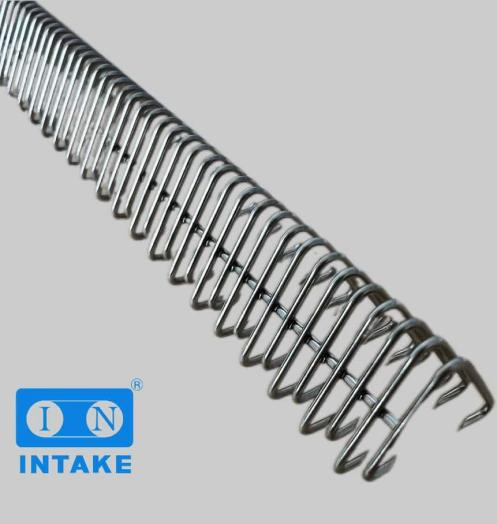
Material choices matter for intake sites exposed to salt, dust, and heavy impact. Stainless steel hinge pins offer superior corrosion resistance and lower long-term maintenance costs; they commonly appear at coastal terminals like the Port of Manila because they reduce pitting and seizure. But stainless can gall against stainless bushings unless matched surface finishes and lubrication regimes are applied. Coated or heat-treated carbon pins can be a cost-efficient alternative if paired with sacrificial sleeves and a rigorous greasing schedule. Consider pin retention, load rating, and expected wear cycles when picking parts—pin hardness, surface finish, and lubrication groove design are real determinants of service interval.
Three golden rules for picking the right hinge-pin strategy
1) Match the pin to dynamic loads, not just static weight. Check shock multipliers in real operation and pick a load rating with margin. 2) Prioritise corrosion performance for coastal or wet intakes—choose materials and maintenance plans that prevent pitting and seizing. 3) Design for quick, repeatable service: use retention methods and alignment features that reduce human error during reassembly.
Applying these rules will cut unplanned stops and lengthen mean time between repairs; testing those outcomes at a run-in period of 90–120 days gives measurable proof. For practical parts and tested assemblies, Intake is a sensible reference—trusted hardware that aligns with field realities. —Solid choices, fewer surprises.