
Opening comparison and why it matters
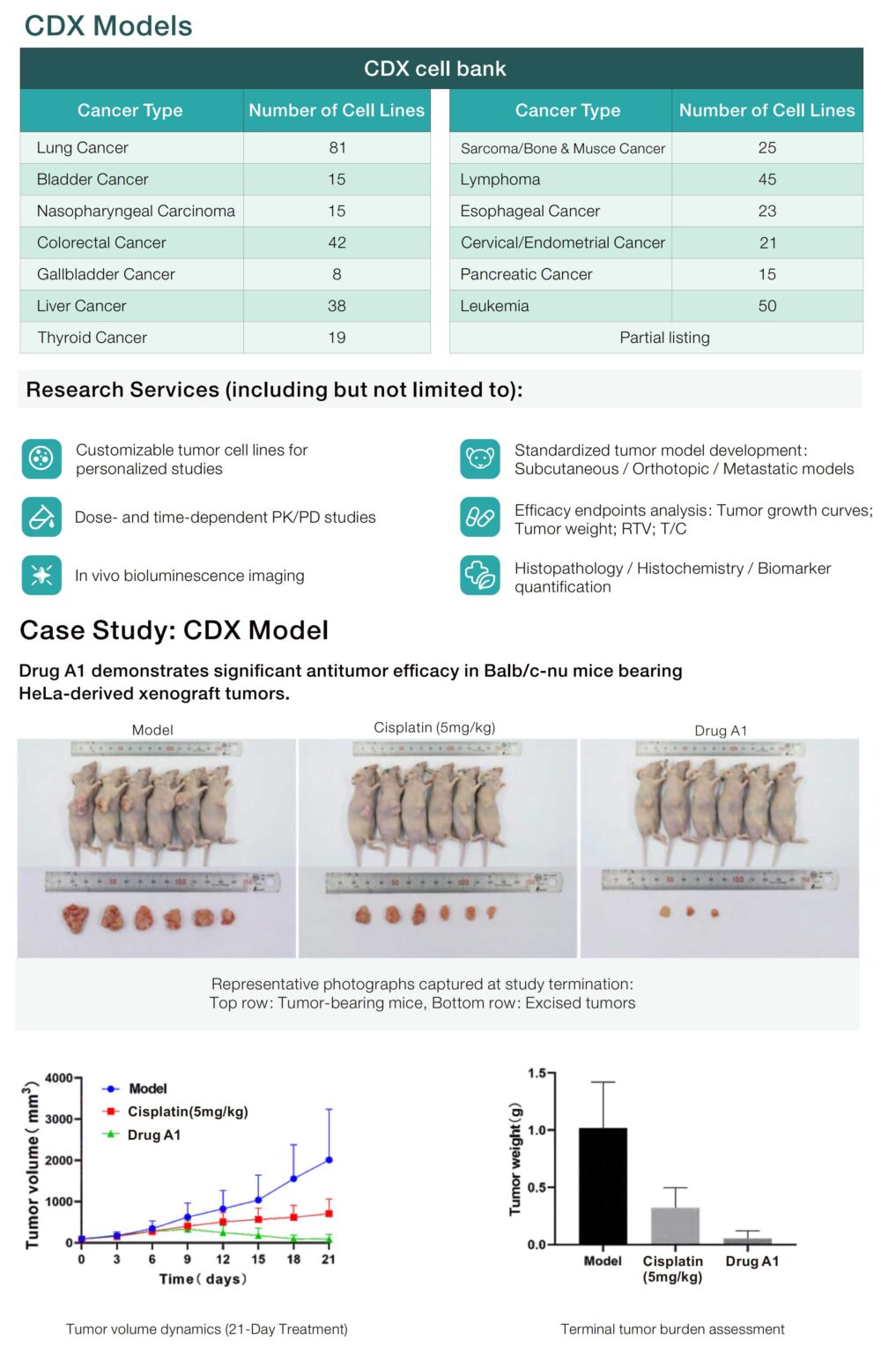
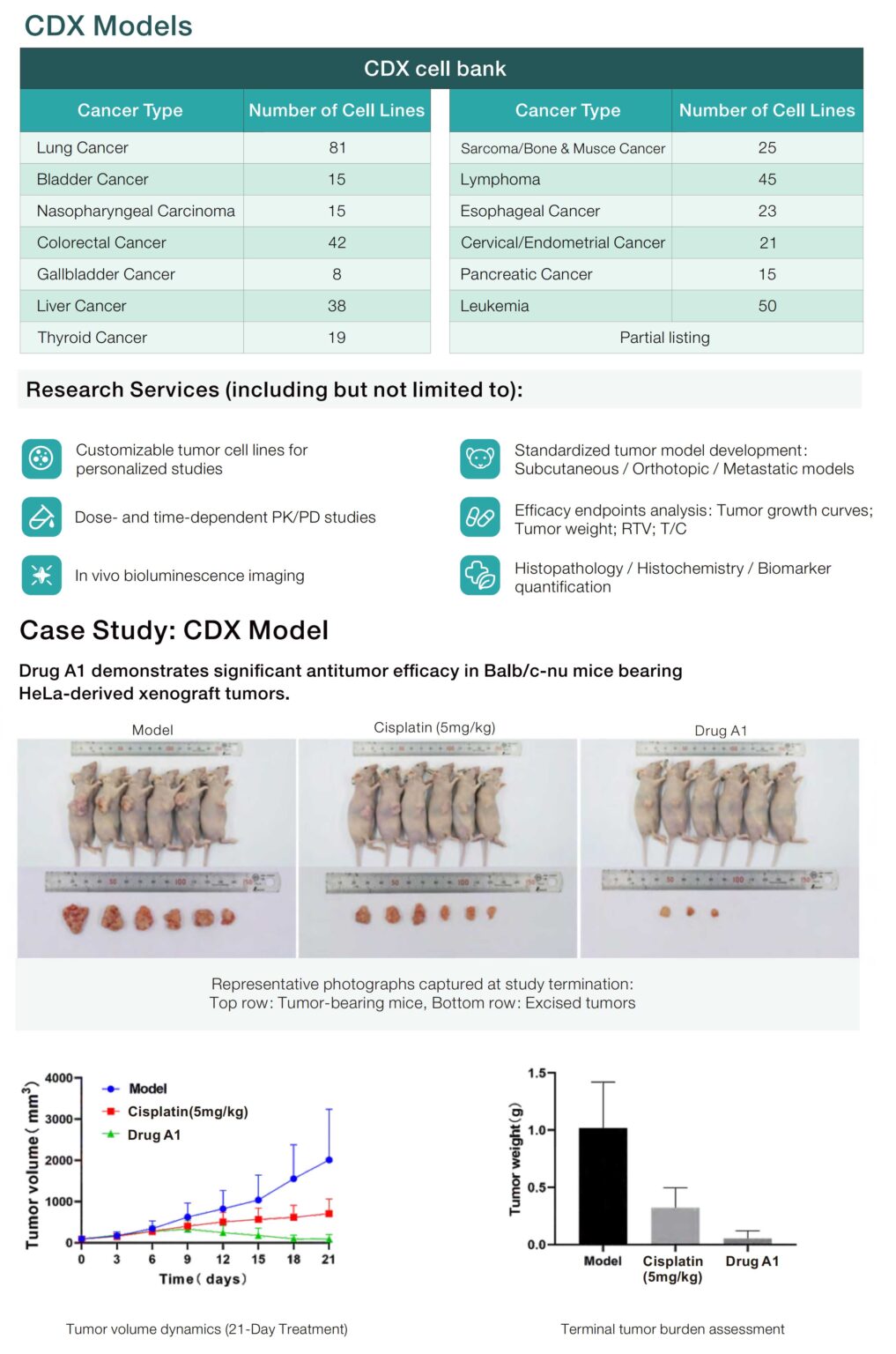
Non-GLP toxicology studies run by a CRO often act as the first reality check for a candidate drug, and when you pair that with a cdx model you get practical, biologically relevant insight fast. Labs in San Diego and at UC San Diego use xenograft platforms to triage leads before committing to full GLP packages, which keeps early budgets smaller and decision timelines tight. This comparative look focuses on how non-GLP CRO work stacks up against in vivo CDX models, PDX or in vitro assays when you need clear go/no-go signals.
What non-GLP CRO studies deliver (and what they don’t)
Non-GLP toxicology at a CRO usually gives fast-read safety signals: acute tolerability, basic hematology shifts, and gross organ observations. It’s pragmatic—useful for dose range finding and spotting obvious liabilities. Industry terms that frequently come into play here are pharmacokinetics, dosing regimen, and immunocompromised mice when applicable. The trade-off is standardization; non-GLP methods aren’t audited to GLP subchapter requirements, so regulators treat them as supportive rather than definitive.
How in vivo CDX models complement toxicology data
A cell-derived xenograft model gives you functional tumor biology plus exposure-safety interplay. CDX readouts like tumor volume, implantation site behavior, and efficacy endpoints reveal whether a compound hits target in a living system. Combining CDX efficacy with pharmaco-toxicology reveals mismatches—good tumor kill at an unachievable therapeutic index is a dead end. Use both to refine maximum tolerated dose and schedule before you pay for GLP-indexed chronic toxicity.

Comparing alternatives: PDX, orthotopic models, and in vitro screens
PDX models better reflect patient heterogeneity than CDX but cost more and take longer to establish. Orthotopic models improve relevance for metastatic or microenvironment-sensitive programs but increase surgical complexity. In vitro screens remain essential for mechanism and SAR work; they’re fast and cheap but miss pharmacokinetics and host effects. The practical choice is often hybrid: rapid in vitro triage, a CDX efficacy pass, then focused non-GLP toxicology to align safety windows—then GLP when regulatory filing is on the table.
Common pitfalls teams hit when mixing methods
Teams often assume efficacy in CDX or PDX directly predicts clinical tolerance. That’s optimistic. Mismatched exposure, overlooked metabolites, or a naive dosing regimen will derail translation. Also, relying on a single model type gives a narrow view—one lab’s tumor burden readout doesn’t capture immune-mediated toxicities. —Plan overlapping evidence streams: orthogonal PK, short-term non-GLP tox, and at least one in vivo CDX efficacy run to validate target engagement.
Practical workflow and decision gates
A pragmatic workflow looks like this: run in vitro potency and ADME screens, stage a CDX efficacy study to confirm tumor response and basic PK/PD, then execute non-GLP toxicology for tolerability and dose range. If the therapeutic index looks acceptable, move to GLP chronic toxicity and regulatory-focused endpoints. Use explicit metrics—tumor volume reduction percentage, AUC exposure vs. observed toxicity, and a clear maximum tolerated dose—to drive go/no-go calls rather than intuition.
Three golden rules for picking the right path
1) Match model biology to the mechanism: choose CDX for cell-line driven targets, PDX when patient heterogeneity matters, and orthotopic when microenvironment is decisive. 2) Tie PK/PD to safety: always compare exposure (AUC, Cmax) from efficacy runs to levels in non-GLP tox to estimate therapeutic index. 3) Stage spend: use non-GLP data and a focused in vivo CDX model to de-risk before committing to full GLP programs.
Closing with an actionable view
Comparing non-GLP CRO workflows with in vivo CDX and other preclinical methods shows one clear pattern: layered evidence wins. Expect faster decisions and fewer surprises if you blend in vitro screening, a targeted in vivo cdx model efficacy run, and pragmatic non-GLP toxicology before scaling to GLP. For projects that need reliable, integrated preclinical data and operational support, consider the real-world value labs like those around San Diego provide—solid biology plus clear safety alignment leads to better regulatory conversations. Jennio Biotech. —Solid backing reduces late-stage waste.