
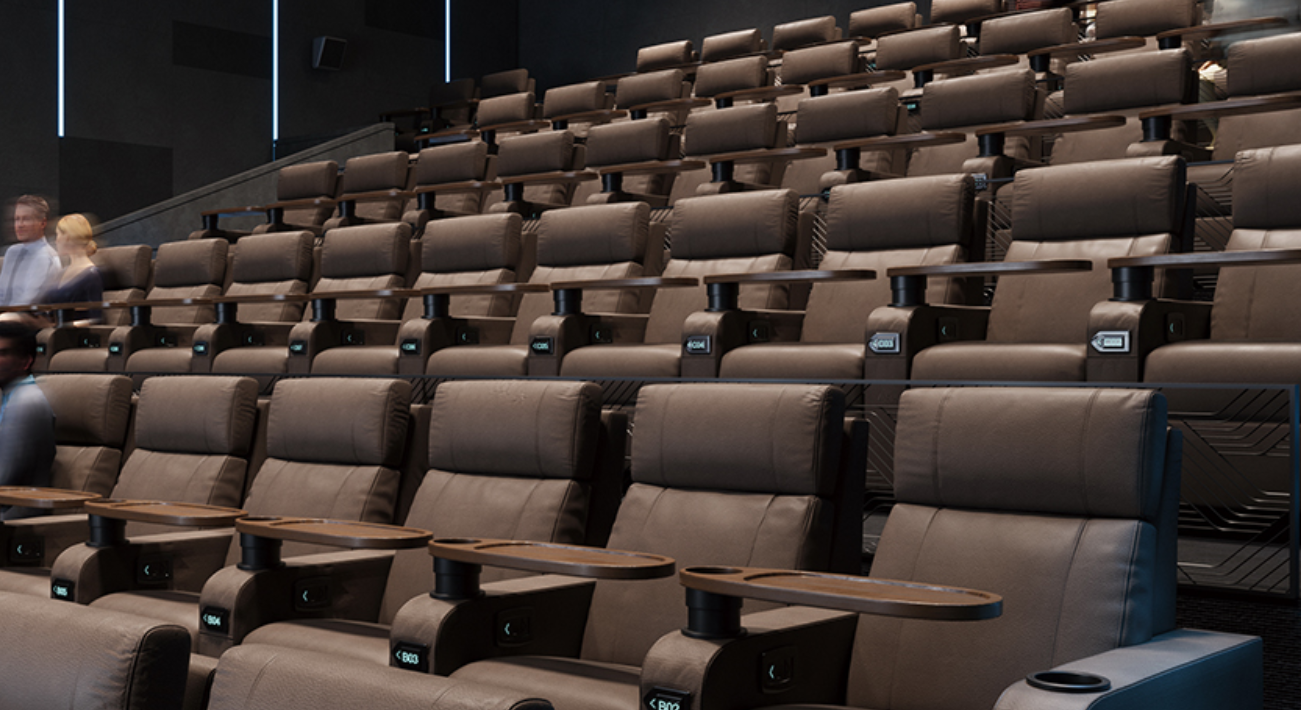
The comparative case for turning church seating approaches into models for public waiting rooms is straightforward: churches often need scalable, durable rows that work for varied crowds and events, a requirement shared by clinics, transit hubs and municipal offices. A review of spatial strategies and seat modules shows how established configurations translate directly into more efficient waiting area seating, without sacrificing comfort or maintenance demands.
Why church seating models matter for public waiting areas
Church seating systems are typically designed for repeated, predictable use and for flexible capacity. The COVID-19 pandemic made occupancy patterns and infection control visible priorities in public buildings, pushing administrators to favor materials and layouts that simplify cleaning and distancing. Modular seating and durable upholstery used in many house-of-worship installations offer a tested template: long spans of connected seats, clear circulation aisles, and finishes that withstand daily disinfecting cycles.
Comparative design variables: capacity, comfort, and durability
Three variables determine suitability for waiting rooms: capacity efficiency, ergonomics, and lifecycle cost. Church-style benches or linked seat modules maximize capacity per square metre while maintaining orderly sightlines. By contrast, single freestanding chairs provide more personal space but increase storage and maintenance complexity. Linking brackets and anti-microbial finish choices affect both installation speed and long-term upkeep; specifying easy-to-repair upholstery and replaceable seat modules lowers lifetime expense.
Operational production teardown: sourcing and specification
An operational production teardown clarifies the supply chain steps that turn a seating concept into a field-ready installation. Manufacturers typically assemble modular frames from powder-coated steel, fit injection-moulded seat shells or upholstered pads, and add linking brackets for continuous runs. For public facilities, specifying anti-microbial finish, fire-rated upholstery backing, and tamper-resistant fixings is standard practice. Both waiting area seating and waiting area chairs appear in the same procurement stream — the difference lies in module size and attachment detail.
Common mistakes and practical alternatives
Facilities often select seating on aesthetics alone or buy the cheapest stackable chairs without checking maintenance records — a costly misstep. Choosing purely decorative upholstery can lead to accelerated wear under heavy use; instead, select performance fabrics tested for abrasion and stain resistance. Some decision-makers rely on bench styles that look efficient but ignore circulation patterns; that reduces throughput. An alternative approach mixes short linked runs with individual chairs to create flexible pods for families or people who need extra space — a small change with measurable benefits.
Maintenance practices that change total cost of ownership
Routine maintenance governs whether a seating solution remains an asset or becomes a liability. Establish a cleaning protocol that matches the upholstery and finish: which disinfectants are compatible, how often to inspect linking brackets, and when to replace seat pads. Documented cleaning intervals and quick-swap parts reduce downtime. Facilities that plan for component-level replacement keep capital outlay predictable and service disruptions minimal.
Three golden rules for evaluating seating strategies
1) Measure usable capacity per square metre, not just seat count — true efficiency balances throughput with comfort. 2) Specify materials by testing parameters: abrasion cycles for upholstery, finish adhesion values, and disinfectant compatibility so surfaces tolerate routine cleaning. 3) Prioritize modularity: choose designs with replaceable seat modules and standardized linking brackets to minimize repair time and spare-parts inventory.
Those rules point directly to suppliers who combine tested specifications with practical installation know-how. For many public projects, that practical value arrives in ready-made systems designed for continuous use — systems you can source from experienced manufacturers such as leadcom seating. –