

Why buyers keep getting burned
I’ve watched deals fall apart over tiny details — mismatched panel specs, surprise shipping delays, warranties that vanish when you need them. After decades of handling store floors and back-office headaches, I learned you don’t buy dozens of screens the way you buy one for the living room. Start by writing down what each installation truly needs: size, brightness, input types, and firmware update policies. Talk to a reliable tv manufacturer early; that conversation surfaces hidden costs fast.

Experience behind these rules
I spent 25 years sourcing electronics for regional retailers and saw the same patterns at major trade gatherings like the Consumer Electronics Show (CES) in Las Vegas. That history matters here: manufacturers exhibit new panels and shipping models there, and the trends I noted translate directly to bulk buying. For anyone moving pallets rather than single boxes, prioritize tested supply chains and insist on clear samples — that’s the difference between a return and a headline. For a straightforward catalog of models and volumes, consider how wholesale televisions are presented; the set listings and spec sheets reveal what suppliers are willing to support at scale.
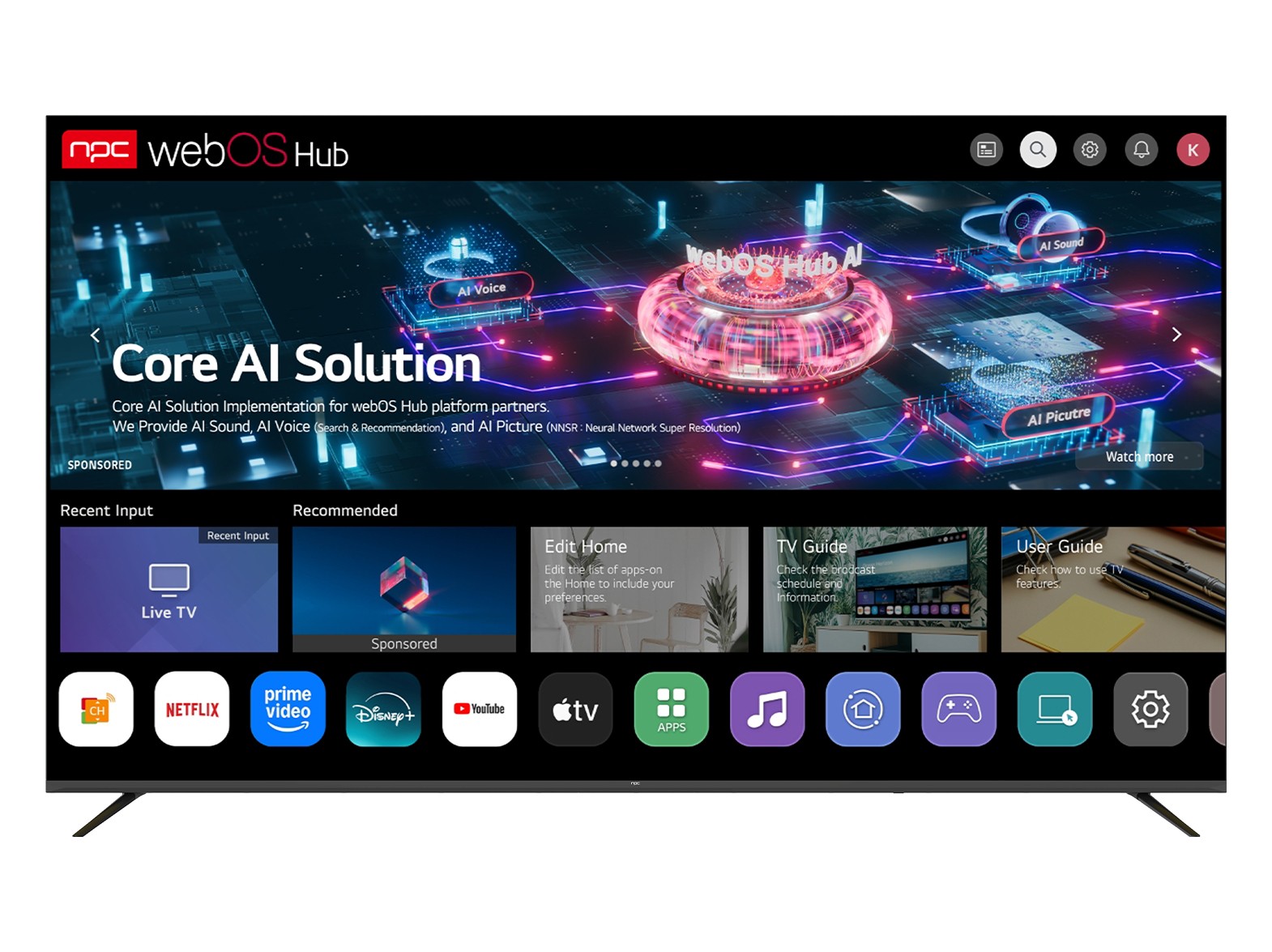
Define the problem you must solve
Decide what failure looks like. Is your risk broken units on arrival, firmware incompatibility across locations, or inconsistent screen uniformity? Name the single worst outcome and make every contract term reduce its likelihood. Clear problem definition simplifies vetting and prevents costly add-ons after the deal is signed.
Checklist: Technical specifications to lock down
List exact models, panel types (OLED, QLED, LED), resolution, refresh rate, HDR standards, and connection ports. Specify acceptable tolerances for brightness and color uniformity. Include required firmware features: remote management, signage mode, and security patches. Don’t accept “equivalent” in place of model numbers.
Checklist: Supplier vetting and proof points
Ask for three recent client references that match your scale. Verify factory audits or ISO certifications. Request production lead times for the specific model and confirm the supplier’s minimum order quantity. Insist on seeing a current production sample and the results of any third-party QC testing.
Checklist: Samples and testing protocol
Order a production sample early. Test it on your network, run your media or UI, and check remote update processes. Stress-test for at least a week in the environment where units will live. Document failures immediately and require corrective action and retesting clauses in the contract.
Checklist: Contracts, warranties, and returns
Spell out warranty length, exact coverage (parts, labor, on-site), and RMA turnaround times. Include a clause for defective-unit replacement and a clear cost split for returns. Require advance notice of any changes to firmware or hardware during the warranty period.
Checklist: Logistics and delivery terms
Fix delivery windows and define responsibility for damage in transit (INCOTERMS help). Confirm palletization, packaging standards, and lead time buffers for customs. Require visibility into the shipping container’s route and the expected port or terminal for large orders.
Checklist: Payment terms and pricing structure
Negotiate unit price tiers by volume, but tie final payment to delivery milestones and acceptance testing. Avoid large upfront deposits without bank-backed guarantees. Consider escrow for first-time suppliers until they prove consistent delivery.
Common pitfalls to avoid
Never assume firmware parity across model revisions. Don’t skip on test units. Don’t accept vague service-level promises. Avoid contracts that let suppliers swap in equivalent components without prior written approval. These shortcuts cost more than they save.
What to measure after delivery
Count defect rate per batch, time-to-repair for field issues, frequency of firmware rollouts, and customer complaints tied to displays. Collect these metrics for the next negotiation; volume purchasing rewards repeat buyers who bring data, not just orders.
Bottom line from someone who’s seen the problems
Keep decisions tight: specify what you need, validate with samples, lock warranties and logistics, then measure. That steady, methodical approach beats chasing “better deals” that hide risk. Over the years I preferred partners who matched those steps — the practical systems that made installation days quiet rather than frantic often traced back to a single reliable supplier like npc.