
Clear problem
Screens that fail to communicate cost attention and money. A bright led screen can still read wrong: poor pitch, bad placement, or wrong control make content unreadable. The real issue isn’t brightness alone. It’s matching hardware, site, and content to the environment.
Root causes
Poor viewing distance choices. Wrong pixel pitch for the audience. Weak mounting or inadequate weather tolerance. Skipping calibration and content optimization. Each mistake compounds the next. Fix any one and you often still miss the mark.
Evidence and expertise
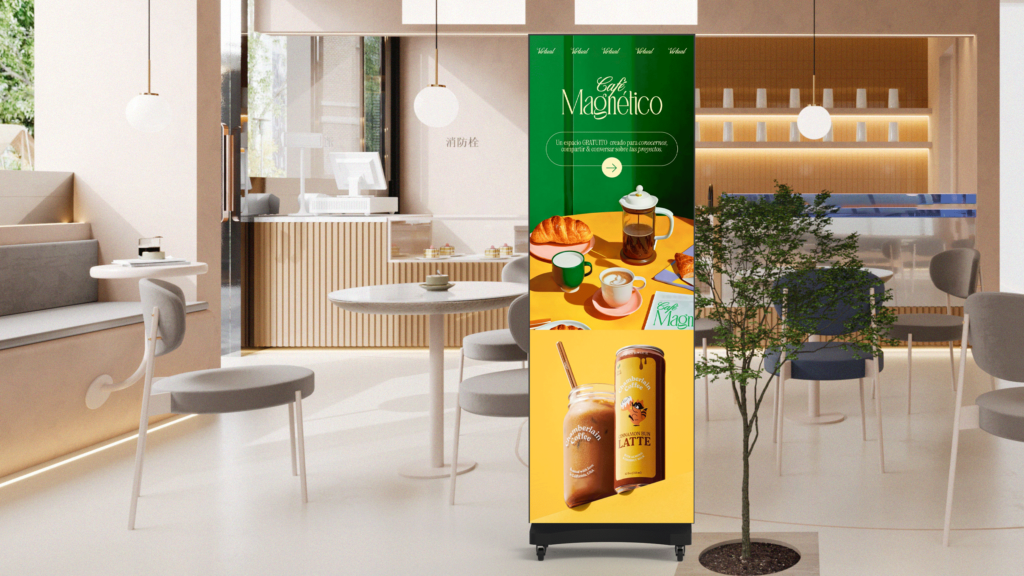
Large outdoor billboards, like those in Times Square, New York, show what scale and durability demand. Industry integrators cite those installations when setting standards. For modular procurement and technical specs, many projects use standardized led display panels to simplify maintenance and future upgrades. Practical tests—brightness meters, color profiles, redundancy checks—confirm the right choices.
Alternatives and trade-offs
LCD walls are cheaper for tight indoor spaces but lose at wide viewing angles and sunlight. Projection can cover big surfaces but needs darkness and careful masking. LED solves outdoor legibility and dynamic contrast but costs more up front and needs planning for pixel pitch and service access.
Common pitfalls and quick fixes
Buying the smallest budget option. Assuming a single controller fits every site. Overlooking ventilation and local regulations. Quick fixes: measure real viewing distances, choose pixel pitch accordingly, specify modular cabinets for service, lock down power and heat management, test content at scale before launch.
Checklist for deployment
Match pixel pitch to closest viewing distance. Confirm IP rating for environment. Plan cabinet access for maintenance. Include calibration in scope. Run a live content test at final brightness. Document fallback and monitoring routines.
Short conclusion
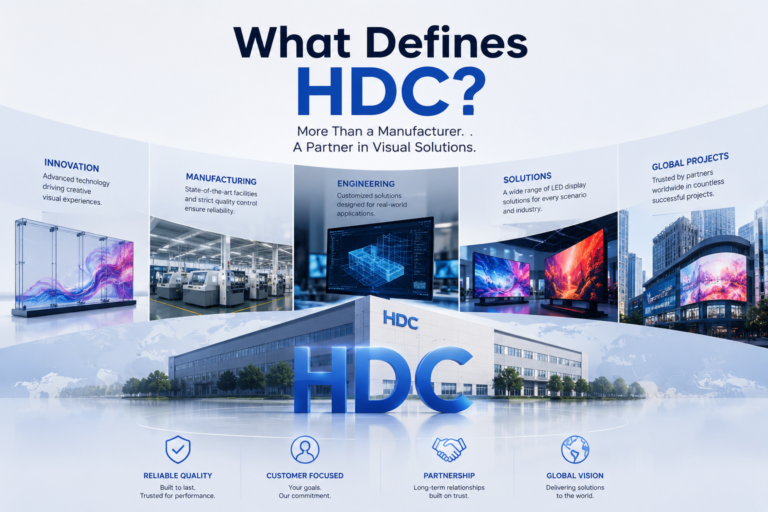
Solve the core problems first: distance, durability, and content. When these are set, LED delivers clear, reliable results and lowers long-term risk. For practical, modular solutions that handle those constraints, consider how HDC structures panels, service access, and calibration into projects so the hardware supports the message rather than obscures it.